
How to Anchor a Patio Umbrella in Wind?
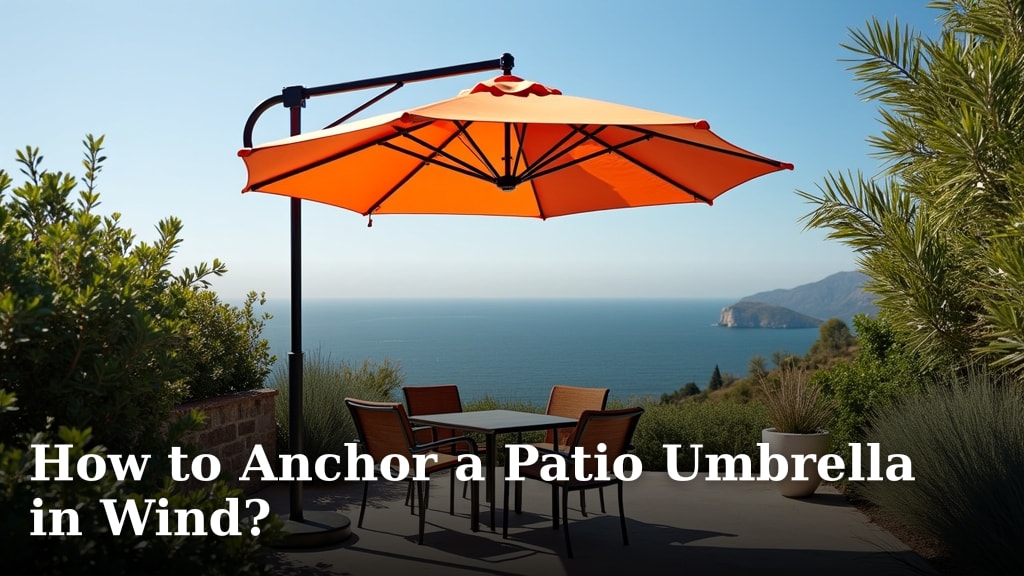
To effectively anchor a patio umbrella in wind, the easiest way is to use a heavy base, secure it with anchor straps, and consider an umbrella with a vent. We found that a combination of methods offers the best protection against strong gusts.
A sudden gust of wind can turn your relaxing patio umbrella into a flying projectile, right? Nobody wants that. Protecting your outdoor space and keeping your umbrella grounded is simpler than you think. We’ll show you how to keep your umbrella safe and secure, even on blustery days.
- Heavy bases are your first line of defense.
- Anchor straps provide extra stability.
- Vented umbrellas reduce wind resistance.
- Proper placement helps a lot.
- Storage is key for very high winds.
Let’s walk through exactly how to choose the right anchoring solutions and implement them, step by step, so your umbrella stays put.
Securing Your Patio Umbrella Against Wind
Keeping your patio umbrella from flying away in the wind involves a few key steps. You want to make sure your umbrella stays put. This protects your property and keeps everyone safe. We’ll show you how to choose the right tools and use them effectively.
Understanding Wind’s Impact on Umbrellas
Think of your patio umbrella like a sail. Wind catches it easily. This creates a lot of force. A strong gust can lift even a heavy umbrella base. That’s why a single solution often isn’t enough. We need to combine methods for real security.
The bigger your umbrella, the more wind it catches. A 9-foot umbrella acts like a much larger sail than a 6-foot one. This means larger umbrellas need more robust anchoring. It’s simple physics, really.
Choosing the Right Umbrella Base
Your umbrella base is your first and most important defense. Don’t skimp here. A flimsy base is almost useless in even moderate winds. You need something substantial. We found that the heavier, the better for most situations.
Types of Umbrella Bases
There are a few main types of bases you’ll encounter. Each has pros and cons. Understanding these helps you make the best choice for your specific needs.
- Water/Sand Filled Bases: These are popular because they’re easy to move when empty. Fill them with water or sand for weight. Sand provides more density than water, making it heavier.
- Concrete/Stone Bases: These are solid and very heavy. They offer excellent stability. However, they are hard to move once in place.
- Cast Iron/Steel Bases: Durable and heavy, these bases often come with decorative designs. They are a good balance of weight and aesthetics.
- Under-Table Bases: If your umbrella goes through a patio table, you still need a base. These are usually lighter, as the table adds some stability. However, they are not enough on their own for windy conditions.
Weight Recommendations for Umbrella Bases
How much weight do you actually need? This depends on your umbrella’s size. A good rule of thumb is more weight for larger umbrellas. We’ve seen many recommendations, and here’s a general guide:
| Umbrella Size (Diameter) | Minimum Base Weight |
|---|---|
| 6 feet or less | 30-50 lbs |
| 7.5 feet | 50-70 lbs |
| 9 feet | 70-100 lbs |
| 10-11 feet | 100-120+ lbs |
| Cantilever/Offset Umbrellas | 120-200+ lbs (often cross-bases with pavers) |
For cantilever umbrellas, you need significantly more weight. They don’t have a central pole, so all the stability comes from the base. Always use the manufacturer’s recommended weight for these types (National Weather Service).
Adding Extra Stability with Anchor Straps
Even with a heavy base, strong winds can sometimes topple an umbrella. This is where anchor straps come in. They provide a second layer of security. Think of them as seatbelts for your umbrella. They keep it firmly attached to something immovable.
What are Umbrella Anchor Straps?
Umbrella anchor straps are durable straps, usually made from nylon or similar strong material. They are designed to secure your umbrella pole or ribs to a fixed object. This could be your patio railing, a heavy planter, or even specialized ground anchors.
We found that straps with buckles or adjustable clasps work best. This lets you get a tight, secure fit. Loose straps don’t provide much help in a storm.
How to Use Anchor Straps Effectively
Using anchor straps isn’t complicated, but proper placement matters. You want to create tension that pulls the umbrella down or keeps it from swaying too much.
Securing to Your Patio Furniture
If you have heavy patio furniture, you can often use it as an anchor point. Wrap the strap around the umbrella pole and then around a sturdy leg of your patio table or chairs. Make sure the furniture is heavy enough to resist the wind’s force.
Avoid attaching to lightweight plastic furniture. It won’t hold. The goal is to secure the umbrella to something that won’t move.
Using Ground Anchors
For even greater security, consider ground anchors. These are like large stakes that screw or push into the ground. You then attach your umbrella straps to these anchors.
- Spiral Ground Anchors: These twist into the soil, providing a very firm hold. They are excellent for grassy areas or even compacted soil.
- Deck Anchors: If you have a wooden deck, you can install specialized anchors that bolt directly to the deck structure. This creates a super strong anchor point.
We’ve found that using two or more straps in different directions provides the best bracing. This distributes the force and prevents the umbrella from tipping in any single direction.
Considering Vented Umbrellas and Smart Placement
Beyond bases and straps, the type of umbrella you have and where you put it can make a big difference. These factors help reduce the wind’s impact directly.
The Advantage of Vented Umbrellas
Have you ever noticed those flaps at the top of some umbrellas? Those are vents. They are incredibly helpful in windy conditions. Here’s why.
A vented umbrella has a second canopy layer with an opening between the two. This allows wind to pass through the umbrella, instead of catching it like a solid sail. This significantly reduces the uplift force. Many umbrella manufacturers now include these because they are so effective (Gardening Know How).
If you’re buying a new umbrella, always opt for a vented design. It’s a simple feature that provides a lot of wind resistance.
Strategic Umbrella Placement
Where you place your umbrella matters more than you might think. Even with all the anchoring in the world, a poorly placed umbrella will struggle in the wind.
- Near a Wall or Structure: Placing your umbrella closer to your house or a sturdy fence can provide a wind break. This reduces the direct force of the wind.
- Avoid Open, Exposed Areas: Large open patios or decks often get the full force of the wind. Try to find a more sheltered spot if possible.
- Consider Wind Direction: If you know prevailing wind patterns, try to position your umbrella so it’s less exposed to the strongest gusts.
Always try to keep your umbrella closed when not in use. This is the simplest way to protect it from unexpected wind. It takes just a minute, but saves a lot of hassle.

When to Close or Store Your Umbrella
Sometimes, no amount of anchoring is enough. There are conditions where you simply must close your umbrella. Ignoring severe weather warnings can lead to damage or injury.
Knowing When to Fold it Up
Always pay attention to weather forecasts. If high winds (over 20-25 mph) are predicted, close your umbrella. If a severe storm or hurricane warning is issued, take it down completely.
Think of it like this: would you leave a regular tent up in a hurricane? Probably not. Your umbrella isn’t much different in extreme conditions. It’s better to be safe than sorry.
Checklist for Wind Protection
Here’s a quick checklist to make sure your patio umbrella is ready for windy weather. Go through these steps before you leave your outdoor space or when winds are picking up.
- Is your umbrella base heavy enough for its size?
- Are anchor straps secured to immovable objects?
- Is your umbrella a vented design?
- Is the umbrella placed in a somewhat sheltered spot?
- Is the canopy closed if you’re not using it?
- For very high winds, is the umbrella completely removed and stored?
By following these steps, you can greatly increase your umbrella’s stability. You’ll enjoy your patio more, without constantly worrying about your umbrella flying away. It’s about being prepared and taking proactive steps.
Conclusion
Protecting your patio umbrella from the wind doesn’t have to be a constant battle. By choosing the right heavy base, adding strong anchor straps, and opting for a vented design, you create a powerful defense. We found that combining these methods gives you the best chance against unexpected gusts. Always remember to close your umbrella when not in use, and store it away during severe weather warnings. Taking these simple steps ensures your outdoor space remains safe and enjoyable, no matter the forecast.
Frequently Asked Questions
Can I just use sandbags to weigh down my umbrella base?
While sandbags can add some weight, they’re generally not as effective or aesthetically pleasing as a dedicated umbrella base. They can also degrade over time. We recommend investing in a proper base, like a water/sand-filled or concrete option, for reliable long-term stability.
How do I anchor a cantilever umbrella more effectively?
Cantilever umbrellas require significantly more base weight because their support structure is offset. Look for cross-bases designed for these umbrellas, and then load them with heavy pavers or concrete blocks. You might also consider ground anchors specifically designed to stabilize the base’s legs.
What if my patio is concrete and I can’t use ground anchors?
If you have a concrete patio, you can’t use spiral ground anchors. Instead, focus on a very heavy umbrella base, and use anchor straps to secure the umbrella pole or ribs to substantial patio furniture or railing. There are also specialized deck anchors that can be bolted directly into concrete with appropriate hardware.
How often should I check my umbrella’s anchoring system?
It’s a good idea to check your anchoring system at the start of each patio season and periodically throughout the year. Look for loose straps, cracks in the base, or any signs of wear. Tightening straps and inspecting your equipment regularly helps ensure everything stays secure.
Will a wind-resistant umbrella guarantee it won’t blow away?
Even the most wind-resistant umbrella isn’t foolproof against extremely high winds. Features like vents significantly reduce wind pressure, but they can’t prevent damage or lift in severe storms. Always close and secure your umbrella, or store it, when very strong winds are expected. Safety first!
