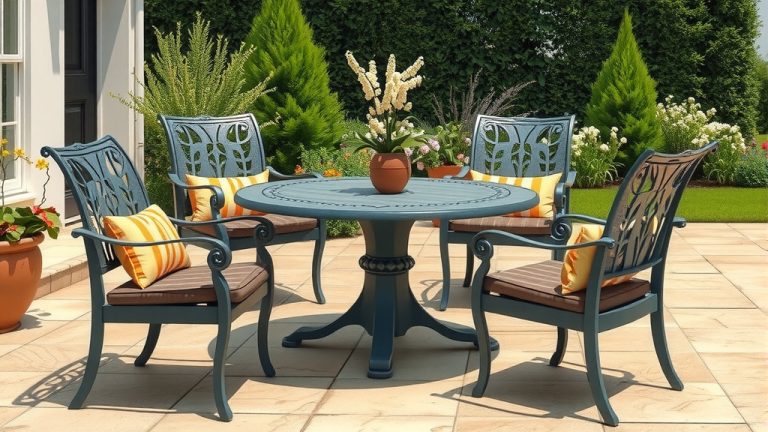
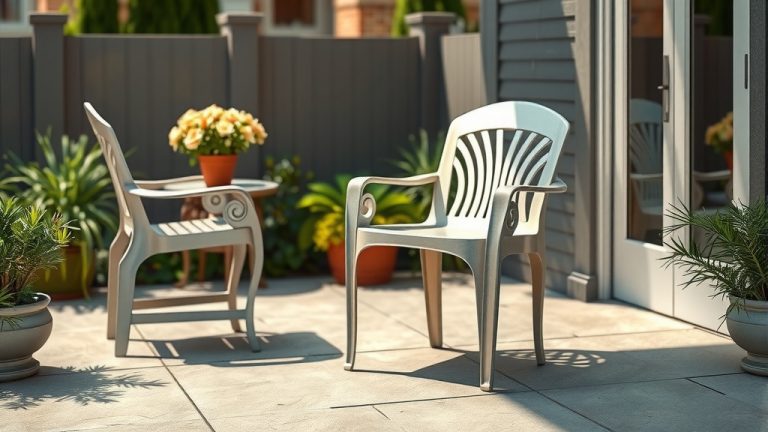
Can You Use a Patio Furniture Set in Winter?
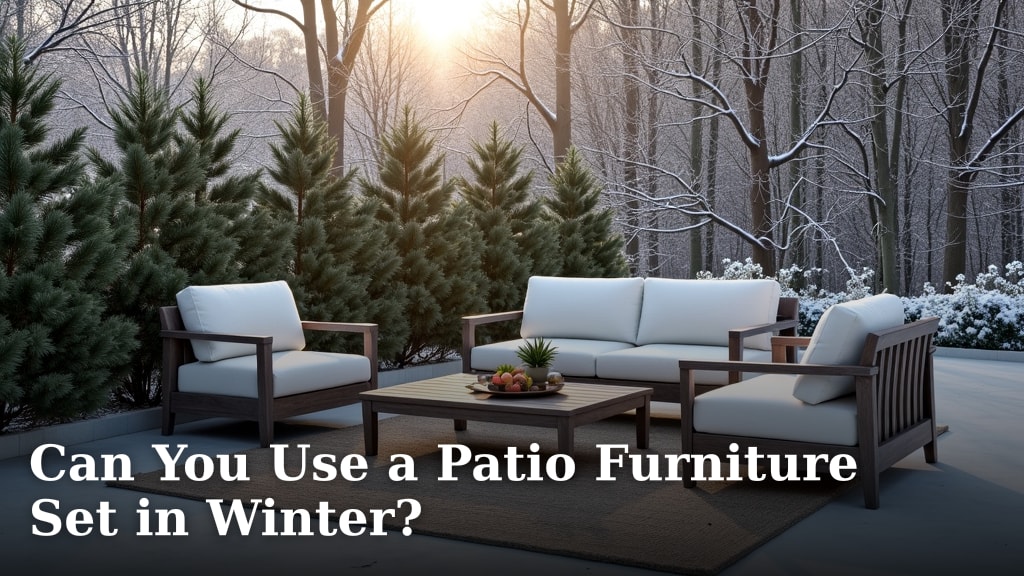
Yes, you absolutely can use your patio furniture set in winter, but you need to take some important steps first. Just leaving it out unprotected can cause big problems. You want your outdoor space to be usable year-round, right?
We found that proper preparation is key for winter outdoor living. This means protecting your furniture from harsh elements like snow and ice. Taking a little time now saves you a lot of hassle later. Think of it as a small investment for long-lasting furniture.
- Patio furniture can stay outside in winter with proper care.
- Protection from elements is crucial for longevity.
- Different materials need different winterizing strategies.
- Planning ahead prevents damage and saves money.
- Enjoying your outdoor space year-round is possible.
Let’s walk through exactly how to prepare your patio furniture for winter, ensuring it stays beautiful and ready for spring.
Preparing Your Patio Furniture for Winter Use
You can definitely enjoy your patio furniture during winter, but it needs some help. The key is proper preparation. Think of it like dressing your furniture for the cold weather. Without protection, harsh winter conditions can cause real damage. We’ve seen firsthand how much a little effort now saves you from costly replacements later.
Understanding Winter’s Impact on Your Furniture
Winter brings more than just cold temperatures. You’ll face snow, ice, freezing rain, and strong winds. Each of these elements can harm your outdoor pieces. UV rays, even in winter, can also degrade materials over time. Imagine leaving your favorite sweater out in a snowstorm – it wouldn’t fare well, would it?
We found that moisture is a major enemy. When water seeps into cracks and then freezes, it expands. This expansion can cause materials to split or crack. This is especially true for porous materials like wood. Rust is another big concern for metal frames. You want to avoid these issues at all costs.
Assessing Your Furniture Material
Not all patio furniture is created equal when it comes to winter. The material of your set plays a huge role in how you should protect it. We recommend taking a moment to identify your furniture’s material. This will guide your winterizing strategy. What is it made of? Wood, metal, wicker, or something else?
Wood Furniture Care in Winter
For wood furniture, preventing moisture absorption is your top priority. Teak, cedar, and redwood are naturally more resistant to rot (University of Wisconsin-Madison). However, even these can benefit from care. You should clean wood thoroughly, then apply a sealant or stain designed for outdoor use. This creates a barrier against water and ice. You might even consider moving smaller wooden pieces to a covered area.
Metal Furniture Protection
Metal furniture, especially wrought iron or steel, is prone to rust. Aluminum is more rust-resistant but can still suffer from pitting or oxidation. We found that inspecting for scratches or chips in the paint is vital. Touch up any exposed metal to prevent rust from forming. A good quality rust-inhibiting primer and paint can extend its life significantly.
Wicker and Rattan Strategies
Synthetic wicker is much more durable than natural rattan. Natural rattan should always be stored indoors during winter. For synthetic wicker, the main concern is cracking from extreme cold. We suggest cleaning it well and then applying a UV protectant spray. This helps keep the material flexible. Covers are also excellent for wicker.
Fabric and Cushion Management
Outdoor fabrics and cushions are usually made to be weather-resistant. However, prolonged exposure to snow and ice is still not ideal. Even Sunbrella fabrics, while durable, will last longer if protected. You should remove all cushions and store them indoors. A dry, climate-controlled space like a garage or basement is perfect. If storing them outside, use airtight containers to keep moisture out.
The Power of Patio Furniture Covers
Investing in high-quality furniture covers is perhaps the single best thing you can do. Think of covers as your furniture’s winter coat. They create a physical barrier against snow, ice, rain, and wind. Not all covers are created equal, though. You want covers that are waterproof, breathable, and UV-resistant.
- Choose covers that are the correct size for your furniture. Too loose, and wind can get under them. Too tight, and they might rip.
- Look for covers with vents to prevent moisture buildup and mildew.
- Ensure they have drawstrings or buckles to secure them tightly in windy conditions.
- We recommend covers made from durable materials like polyester or vinyl with a waterproof backing.
Securing and Storing Your Furniture
Even with covers, winter winds can be surprisingly strong. It’s important to secure your furniture to prevent it from blowing away or getting damaged. You can tie down larger pieces or even group them together. For lighter items, consider moving them to a more sheltered spot on your patio.
For items you won’t be using, like decorative accents or smaller tables, consider temporary storage. We found that even a garden shed or an unused corner of your garage can make a big difference. This frees up space and keeps those items completely safe from the elements.
Maintaining Your Patio for Winter Enjoyment
If you plan to use your patio during winter, there’s more to consider than just the furniture. You’ll want to ensure the space itself is ready. Think about pathways, lighting, and even a heat source. Making your outdoor area inviting will make you want to use it more.
Creating a Cozy Winter Patio
A warm and inviting atmosphere makes all the difference. We suggest adding a patio heater or fire pit to your setup. This provides warmth and a cozy ambiance. String lights can also transform your space, making it feel magical even in the coldest months. Don’t forget some warm blankets for extra comfort.
Safety First: Winter Patio Checklist
You want your winter patio to be safe. Icy surfaces are a slip hazard. Make sure pathways are clear. Here’s a quick checklist:
- Clear snow and ice from seating areas and paths.
- Ensure outdoor lighting is working properly.
- Check that patio heaters or fire pits are safely away from flammable materials.
- Have extra blankets available for guests.
- Keep a small shovel or broom handy for quick clean-ups.
Comparing Winter Protection Methods
Sometimes, seeing the options laid out side-by-side helps. Here’s a brief comparison of common winterizing approaches, from least to most protective:
| Protection Method | Pros | Cons | Best For |
|---|---|---|---|
| Leaving Uncovered | No effort required | High risk of damage, short furniture lifespan | Not recommended for any material |
| Basic Cleaning & Sealing | Affordable, easy for DIY | Limited protection against heavy snow/ice | Naturally weather-resistant wood (Teak) |
| Furniture Covers | Good all-around protection, relatively inexpensive | Can trap moisture if not breathable, wind can lift | Most furniture types (metal, wicker, non-porous) |
| Indoor Storage (Garage/Shed) | Maximum protection from all elements | Requires space, moving can be difficult | Cushions, smaller items, delicate materials (natural rattan) |
As you can see, a combination of methods often works best. For instance, covers for large pieces and indoor storage for cushions. Tailoring your approach to your specific furniture and climate is smart.
Final Thoughts on Winterizing Your Patio
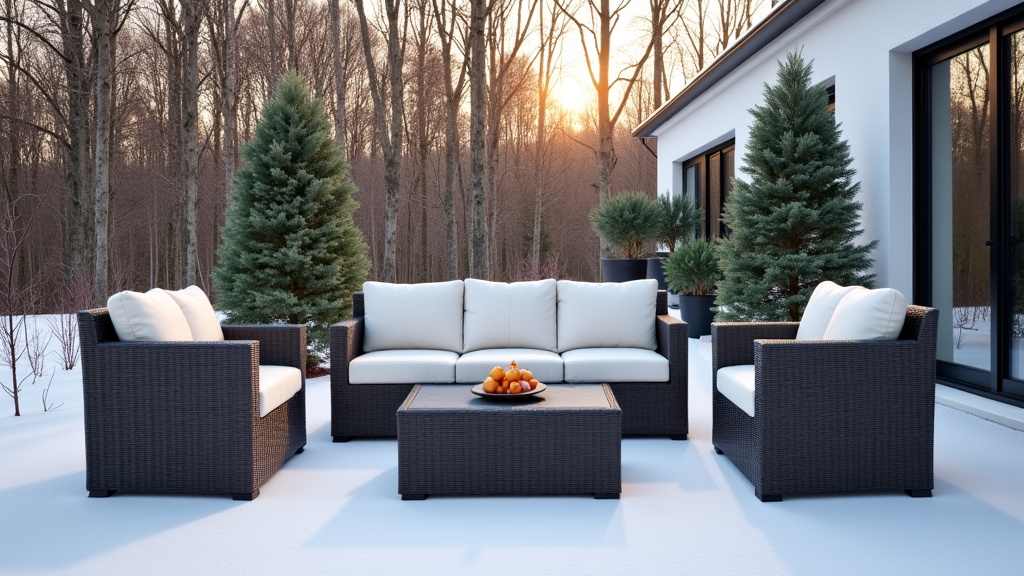
Don’t let winter stop you from enjoying your outdoor space. With a little planning and effort, your patio furniture can withstand the elements and be ready for use whenever you are. Think of it as a small investment in your furniture’s longevity and your own enjoyment. You’ll be glad you took the time when spring rolls around, and your furniture looks as good as new. Plus, there’s nothing quite like sipping a warm drink on your patio on a crisp winter day, is there?
Conclusion
As you’ve seen, using your patio furniture in winter is absolutely possible. It simply requires some thoughtful preparation. By understanding your furniture’s material and providing adequate protection, you can extend its lifespan significantly. We found that investing a little time and effort now saves you from costly replacements later.
Don’t let colder weather keep you from your outdoor space. Take these steps to protect your investment and create a cozy winter retreat. Your furniture will thank you, and you’ll enjoy your patio all year round.
Frequently Asked Questions
Can I leave all types of patio furniture outside in freezing temperatures?
While many types can stay out, it depends heavily on the material. Natural rattan and delicate woods should ideally be stored indoors. Most metals, synthetic wicker, and treated woods can withstand freezing temperatures with proper covering and care.
Do I need special cleaning products for winterizing patio furniture?
Generally, a mild soap and water solution is sufficient for cleaning before winter. For wood, you might consider a specialized outdoor wood cleaner. The most important step is ensuring everything is completely dry before covering or storing to prevent mold and mildew.
Will clear plastic tarps protect my patio furniture from winter damage?
Clear plastic tarps can offer some protection, but they aren’t ideal. They often don’t breathe well, which can trap moisture and lead to mold or mildew. High-quality, breathable furniture covers specifically designed for outdoor use are a much better choice for long-term protection.
How can I prevent cushions from getting moldy during winter storage?
The best way to prevent mold is to store cushions in a dry, climate-controlled environment, like a garage or basement. Ensure they are completely dry before storage. If storing outside, use airtight, waterproof containers and consider adding desiccant packets to absorb any residual moisture.
Is it worth buying expensive patio furniture if I plan to use it in winter?
Absolutely. Higher-quality furniture often uses more durable materials designed to withstand various weather conditions, including winter. While protection is still necessary, better-made furniture will generally fare better and last longer, making the investment worthwhile for year-round enjoyment.