
How to Clean a Adirondack Chair?
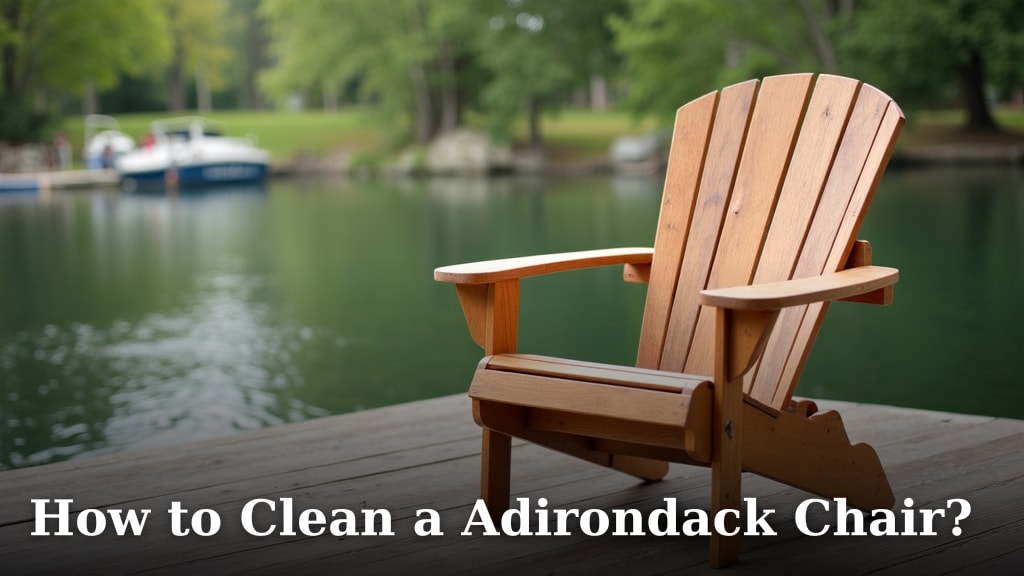
The easiest way to clean an Adirondack chair is to simply wash it down with soap and water. We found that a soft brush helps get into those tricky spots. This method works great for most materials, keeping your chair looking its best. You’ll be surprised how much grime can build up over time.
Your beautiful Adirondack chairs face all kinds of weather, from sunny days to rainy downpours. Keeping them clean not only makes them look nicer but also helps them last longer. A little regular care can prevent dirt and mildew from causing damage. Who wants a dirty chair on their porch anyway?
- Wash chairs with mild soap and water.
- Use a soft brush for stubborn dirt.
- Rinse thoroughly to remove all soap.
- Let chairs air dry completely.
- Consider a protective sealant for wood.
Ready to get your Adirondack chairs sparkling clean? Let’s walk through exactly how to clean an Adirondack chair, step by step.
Prepping Your Adirondack Chairs for a Wash
Before you dive into cleaning, a little preparation goes a long way. Think of it like getting ready to paint a room; the prep work makes the actual cleaning much easier. This step helps you assess the chair’s condition and removes any loose debris.
Gather Your Cleaning Arsenal
You don’t need fancy gadgets to clean an Adirondack chair. Most of what you need is probably already in your house. Having everything ready beforehand means you won’t have to stop mid-clean to find a brush. We found that a good old bucket and brush work wonders.
- A bucket or large container for mixing soap
- Mild dish soap or an all-purpose cleaner
- Soft-bristled brush (a car wash brush works great)
- Garden hose with a spray nozzle
- Clean cloths or sponges
- Optional: Gloves to protect your hands
- Optional: Eye protection for power washing
Clear the Area Around Your Chairs
You’ll want plenty of room to move around your chairs. Pull them away from walls or other furniture. This prevents splashing soap and water onto things you don’t want to get wet. It also gives you better access to all sides of the chair.
Perform a Dry Brush or Wipe Down
Start by giving your chairs a quick dry wipe or brush. This removes any loose dirt, leaves, or cobwebs. It’s much easier to clean off dry debris than to try and wash it away once it’s wet. Think of it as the first pass, getting rid of the easy stuff.
The Basic Cleaning Process for Adirondack Chairs
Most Adirondack chairs, regardless of material, can be cleaned with a simple soap and water solution. This method is gentle yet effective for removing everyday dirt and grime. It’s your go-to for regular maintenance.
Mix Your Cleaning Solution
Fill your bucket with warm water. Add a few drops of mild dish soap or your chosen all-purpose cleaner. You want enough soap to create some suds, but not so much that it’s hard to rinse. A little goes a long way here. We found that a ratio of about one tablespoon of soap per gallon of water is usually perfect.
Apply and Scrub Gently
Dip your soft-bristled brush or sponge into the soapy water. Start scrubbing your chair, working from the top down. Pay special attention to areas where dirt tends to accumulate, like joints or armrests. Don’t press too hard; let the soap do most of the work. For wooden chairs, always scrub along the grain of the wood.
Rinse Thoroughly
Once you’ve scrubbed the entire chair, it’s time for a good rinse. Use your garden hose to spray off all the soap and dirt. Make sure you get into all the crevices. Leftover soap can leave streaks or attract new dirt. Keep rinsing until the water runs clear from the chair.
You don’t want any suds lingering on your beautiful chairs. Residual soap can actually become sticky and attract more grime, which defeats the purpose of cleaning, right?
Air Dry Completely
After rinsing, let your chairs air dry. Find a sunny spot if possible, as the sun can help speed up the drying process. Make sure they are completely dry before you sit in them or apply any treatments. This prevents moisture from getting trapped, which can lead to mildew, especially on wooden chairs.
Here’s a quick checklist for basic cleaning:
- Gather all necessary supplies.
- Clear the area around the chairs.
- Brush off loose dirt and debris.
- Prepare a mild soap and water solution.
- Scrub chairs gently, working top to bottom.
- Rinse chairs thoroughly until no soap remains.
- Allow chairs to air dry completely.
Specific Care for Different Adirondack Chair Materials
While the basic cleaning steps apply to most chairs, different materials have unique needs. Understanding these differences helps you avoid accidental damage and ensures your chairs last for years. What kind of Adirondack chair do you have?
| Material Type | Best Cleaning Method | Special Considerations |
|---|---|---|
| Wood (Cedar, Pine, Teak) | Mild soap, water, soft brush | Sand and re-seal/stain periodically; scrub with the grain. |
| Recycled Plastic/HDPE | Mild soap, water, soft/medium brush; pressure washer (low setting) | Very low maintenance; resistant to fading and rot. |
| Resin/Plastic (basic) | Mild soap, water, soft brush | Can become brittle over time; avoid harsh chemicals. |
| Aluminum/Metal | Mild soap, water, soft brush | Check for rust; touch up paint if needed. |
Cleaning Wooden Adirondack Chairs
Wooden chairs, like cedar or pine, require a bit more attention to maintain their natural beauty. They are susceptible to mildew and UV damage. Cleaning them properly helps preserve the wood. We found that regular cleaning prevents deep stains.
Addressing Mildew on Wood
Mildew loves damp, shady areas. If you spot black or green spots, you’ve got mildew. Mix one part white vinegar with two parts water in a spray bottle. Spray the affected areas, let it sit for 10-15 minutes, then scrub with your soft brush. Rinse well afterward. This method is gentler than bleach and safer for your wood.
Sanding and Sealing Wooden Chairs
Over time, wood can become rough or faded. After a thorough cleaning and drying, consider a light sanding with fine-grit sandpaper. This smooths the surface. Then, apply a wood sealant or stain to protect it from the elements. This step can significantly extend the life and look of your wooden chairs, as many experts agree (Wood Magazine).
Cleaning Recycled Plastic (HDPE) Adirondack Chairs
Recycled plastic, often called polywood or HDPE, is incredibly durable and low-maintenance. These chairs are a breeze to clean. They don’t rot, splinter, or typically fade. You’ll love how easy these are to care for.
Stubborn Stains on Plastic Chairs
For tougher stains on plastic chairs, a magic eraser can work wonders. Just dampen it and gently scrub the stain. For really stubborn grime, you can even use a pressure washer on a low setting. Always start with the lowest pressure and test a small, inconspicuous area first.
Caring for Resin or Basic Plastic Adirondack Chairs
Basic plastic or resin chairs are also easy to clean. They’re lightweight and often very affordable. However, they can become brittle with prolonged sun exposure. Avoid harsh abrasive cleaners or brushes, as these can scratch the surface.
Preventing Fading and Brittleness
Once clean and dry, you can apply a UV protectant spray specifically designed for plastics. This helps shield the material from sun damage, keeping your chairs looking newer for longer. Think of it as sunscreen for your furniture!
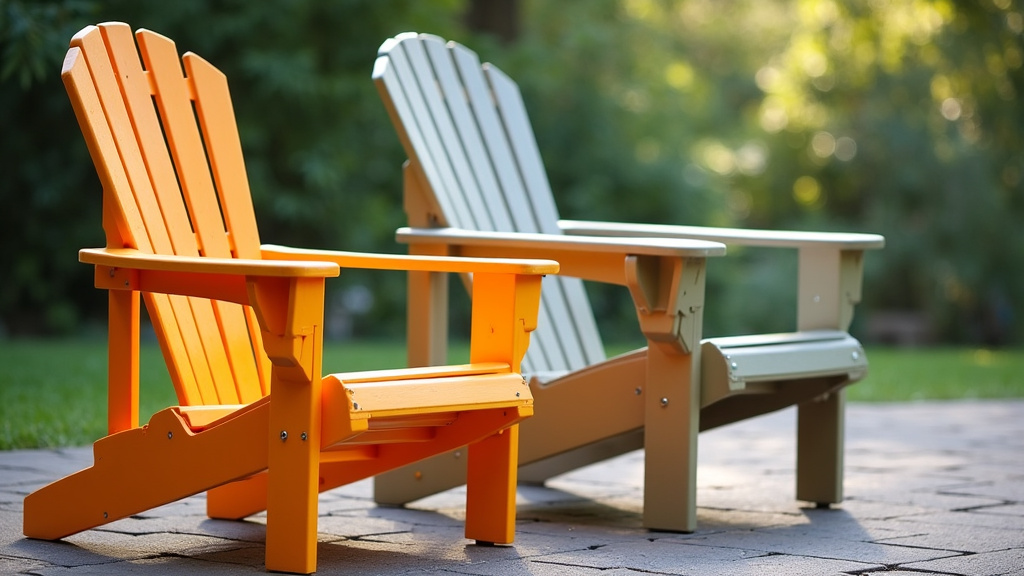
Advanced Cleaning Techniques and Tips
Sometimes, your chairs need a little extra TLC. These techniques are for when the basic wash isn’t quite enough. They address deeper problems or help with long-term maintenance.
Using a Pressure Washer Safely
A pressure washer can be a powerful cleaning tool, especially for plastic or very dirty wooden chairs. However, use it with caution. Always use the lowest pressure setting. Keep the nozzle a good distance from the chair surface (at least 12 inches). High pressure can damage wood fibers or even etch plastic. We found it’s best for a quick rinse on non-wood surfaces or for large areas.
Dealing with Rust on Metal Components
Some Adirondack chairs have metal screws or hinges that can rust. If you see rust, you can gently scrub it with a wire brush or steel wool. For minor rust, a paste of baking soda and water often works. Apply it, let it sit, then scrub and rinse. For more severe rust, consider replacing the hardware.
Seasonal Deep Cleaning vs. Regular Maintenance
Think about a seasonal deep clean at the beginning and end of your outdoor season. This is when you tackle mildew, rust, or consider re-sealing. For regular maintenance, a quick soap and water wash every few weeks is usually enough. Just like your car, a little regular attention keeps major problems at bay.
Conclusion
Keeping your Adirondack chairs clean is simpler than you might think. By regularly washing them with soap and water, you prevent grime and mildew buildup. Remember to tailor your cleaning approach to your chair’s specific material, whether it’s wood, recycled plastic, or resin. This small investment of time safeguards your outdoor furniture. Your efforts will ensure your chairs remain a welcoming and beautiful spot for relaxation, season after season. Get out there and give those chairs a refresh!
Frequently Asked Questions
How often should I clean my Adirondack chairs?
For most chairs, a quick wash with mild soap and water every few weeks during the outdoor season is ideal. Consider a deeper clean at the beginning and end of each season to tackle tougher grime or apply protective treatments.
Can I use a pressure washer on all types of Adirondack chairs?
While a pressure washer can be effective for recycled plastic (HDPE) chairs, use extreme caution. Always use the lowest setting and maintain a good distance. For wooden chairs, it can damage the wood fibers, so it’s generally best to avoid it or use it very sparingly and gently.
What’s the best way to prevent mold and mildew on my wooden Adirondack chairs?
Regular cleaning is key. Also, try to position your chairs in a spot where they receive some sunlight and air circulation to help them dry thoroughly after rain. Applying a wood sealant also creates a protective barrier against moisture.
My plastic Adirondack chair has yellowed. Can I whiten it?
Yellowing on basic plastic chairs can be tough to reverse completely, as it’s often due to sun exposure and material degradation. You can try a paste of baking soda and water, or a specialized plastic cleaner with a UV protectant, but full restoration isn’t always possible.
Is it okay to leave my Adirondack chairs outside all winter?
While many Adirondack chairs are designed for outdoor use, protecting them during winter can extend their life. If possible, store them in a garage or shed. If left outside, consider using furniture covers to shield them from harsh winter weather.
