
What Is the Best Material for a Outdoor Lounge Chair?
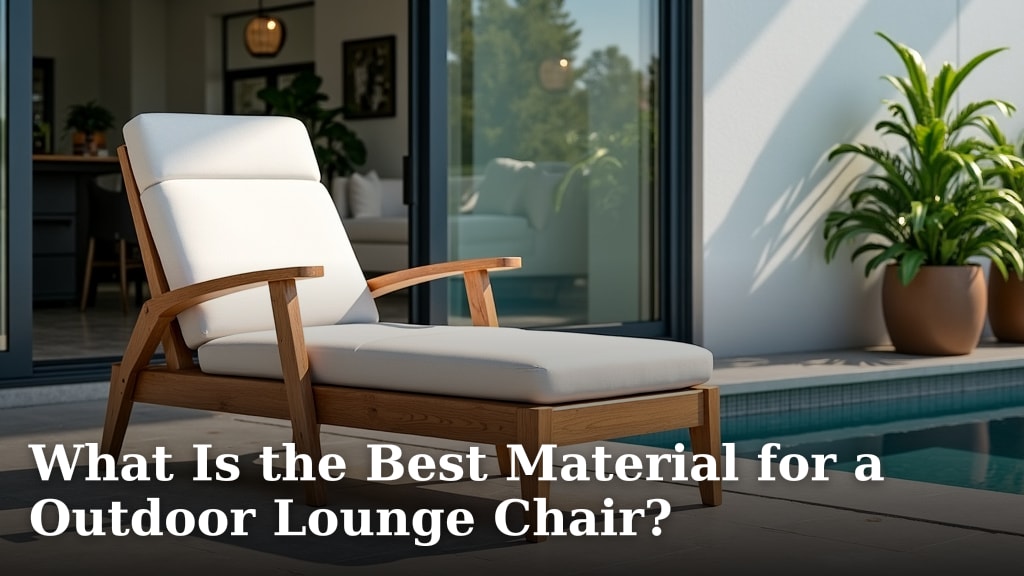
The best material for an outdoor lounge chair depends on your priorities, but we found that aluminum, teak, and all-weather wicker are top contenders. Each offers unique benefits for your outdoor space. Choosing the right material ensures your comfort and the chair’s longevity.
You want something that can handle sun, rain, and all sorts of weather, right? We understand that durability, comfort, and style are key when picking outdoor furniture. You also want it to look good for years without constant upkeep. We researched many options to help you choose.
- Aluminum offers strength and is lightweight.
- Teak is naturally weather-resistant and beautiful.
- All-weather wicker provides comfort and a classic look.
- Each material has pros and cons for outdoor use.
- Consider your climate and maintenance preferences.
So, which material is perfect for your backyard oasis? Let’s take a closer look at what each option brings to your outdoor lounging experience.
Choosing the Right Material for Your Outdoor Lounge Chair
Selecting the ideal material for your outdoor lounge chair is a big decision. You want something that withstands the elements and provides comfort. We found that the best choice often comes down to your local climate, how much maintenance you’re willing to do, and your personal style preferences.
Each material offers a unique set of benefits and drawbacks. Understanding these can help you make an informed choice. Let’s break down the most popular options available today.
Aluminum: Lightweight, Durable, and Modern
Aluminum is a popular choice for outdoor furniture, and for good reason. It’s incredibly lightweight, making it easy to move your lounge chair around. Thinking of chasing the sun or seeking shade? No problem with aluminum!
We found that aluminum is also rust-resistant, which is a huge plus for outdoor use. This means you won’t see unsightly orange stains after a rainy season. It’s also very strong for its weight, providing excellent durability for years.
Advantages of Aluminum
- Low Maintenance: You won’t spend much time cleaning or treating aluminum. A simple wipe-down is usually all it needs.
- Weather Resistance: It handles rain, sun, and temperature changes without issues. No fading or cracking from UV rays.
- Versatile Style: Aluminum frames can be powder-coated in various colors. This allows it to fit many outdoor decor themes, from modern to classic.
- Recyclable: If environmental impact is on your mind, aluminum is a highly recyclable material.
Disadvantages of Aluminum
- Heat Absorption: In direct sunlight, aluminum can get quite hot. You’ll definitely want cushions for comfort and to avoid burnt skin.
- Can Be Dent-Prone: While strong, a heavy impact can dent aluminum frames. Handle with a little care.
- Price Point: High-quality aluminum can be more expensive upfront than some other materials.
Teak: The Gold Standard for Natural Beauty and Longevity
If you’re looking for a material that combines natural beauty with incredible resilience, teak is a prime contender. We found that teak wood is often called the “king of outdoor woods.” It’s known for its extraordinary durability and ability to weather beautifully.
Teak wood contains natural oils and a tight grain structure. These properties make it inherently resistant to moisture, rot, pests, and even fire (USDA Forest Products Laboratory). This means your teak lounge chair will last for decades with minimal fuss.
The Beauty of Teak’s Aging Process
One of the most charming aspects of teak is how it ages. When new, it has a warm, honey-brown color. Over time, as it’s exposed to the sun and rain, it develops a beautiful, silvery-gray patina. Many people love this weathered look, as it adds character and sophistication to any outdoor space.
Considerations for Teak Furniture
- Investment Piece: Teak is generally one of the more expensive options. Think of it as a long-term investment.
- Heavy: Teak is a dense, heavy wood. This makes it very sturdy and stable but harder to move around your patio.
- Maintenance (Optional): If you prefer to maintain the original honey-brown color, you’ll need to periodically clean and oil the teak. Otherwise, you can let it age gracefully.
All-Weather Wicker: Comfort, Style, and Easy Living
Do you love the look of classic wicker but need something that can truly stand up to the elements? All-weather wicker is your answer. We found that this material is a synthetic resin (usually polyethylene) woven over an aluminum or steel frame. It beautifully mimics natural wicker but offers far superior outdoor performance.
All-weather wicker brings a lovely texture and warmth to your outdoor space. It’s often paired with plush cushions, making it incredibly comfortable for long afternoons lounging by the pool or on the deck.
Why All-Weather Wicker Shines Outdoors
- Extreme Durability: It resists UV fading, moisture, mold, and mildew. You won’t worry about it cracking or becoming brittle in the sun.
- Low Upkeep: Cleaning is a breeze. Usually just soap and water are enough to keep it looking fresh.
- Comfortable: The woven nature provides a slight give, enhancing comfort. Plus, it’s designed to be used with soft cushions.
- Wide Range of Styles: Available in many colors and weave patterns, you can find all-weather wicker to match any aesthetic.
Things to Keep in Mind with All-Weather Wicker
- Frame Material Matters: Check the frame underneath the wicker. Aluminum is ideal for rust resistance. Steel frames are strong but can rust if not properly treated.
- Quality Varies: Some lower-quality synthetic wickers can fade or become brittle over time. Look for virgin polyethylene (not recycled) for the best longevity.
- Cushion Care: While the wicker is durable, you’ll still need to care for the cushions. Look for outdoor-specific fabrics that resist fading and moisture.
Other Notable Materials for Outdoor Lounge Chairs
While aluminum, teak, and all-weather wicker are top contenders, you might encounter other materials. Each has its own niche:
- Steel/Wrought Iron: Extremely strong and heavy, offering a classic, ornate look. It’s durable but prone to rust if not properly coated or maintained.
- Plastic (Resin): The most budget-friendly option. It’s lightweight and easy to clean but can be less durable and sometimes looks cheaper. It can also degrade and become brittle with prolonged UV exposure.
- Recycled Plastics: A more sustainable option, often mimicking wood. It’s heavy, durable, and low maintenance, but color choices might be limited.
Key Factors to Consider When Choosing
When you’re comparing materials, ask yourself a few questions. Your answers will guide you to the perfect lounge chair for your specific needs.
| Factor | Considerations |
|---|---|
| Climate | Do you live in a rainy, humid, sunny, or snowy area? Some materials perform better in specific conditions. |
| Maintenance | How much time are you willing to spend cleaning, oiling, or covering your furniture? |
| Durability | Do you need something that will last a lifetime, or is a shorter lifespan acceptable for the price? |
| Weight & Mobility | Do you need to easily move your chair, or will it stay in one place? |
| Style & Aesthetics | What look are you trying to achieve? Modern, traditional, rustic, or cozy? |
| Budget | How much are you comfortable spending? Outdoor furniture can range widely in price. |
Your Outdoor Lounge Chair Checklist
Before you make a final decision, use this quick checklist. It helps ensure you’ve thought through all the important aspects of your lounge chair purchase.
- Is the material appropriate for my local weather conditions?
- How much effort will I need to maintain this material?
- Does the chair’s weight suit my need for mobility?
- Does the style of the material complement my outdoor decor?
- Does the price fit comfortably within my budget?
- Are there comfortable cushions available for this chair?
By carefully weighing these factors against the properties of each material, you’ll be well on your way to selecting an outdoor lounge chair that brings you joy for many seasons to come. Think about your lifestyle and how you plan to use your outdoor space.
Conclusion
Choosing the best material for your outdoor lounge chair really comes down to your personal needs and preferences. We’ve seen that aluminum offers lightweight durability, teak provides natural, long-lasting beauty, and all-weather wicker gives you comfort and style with low upkeep. Think about your climate, how much maintenance you’re willing to do, and the aesthetic you desire for your outdoor space.
By using the checklist and considering these factors, you can confidently select a material that will keep you lounging in comfort for years to come. Your perfect outdoor retreat awaits – make sure your furniture choice helps you enjoy every moment.
Frequently Asked Questions
Which outdoor lounge chair material is best for rainy climates?
For rainy climates, we found that aluminum and all-weather wicker are excellent choices because they are rust and moisture-resistant. Teak is also highly water-resistant due to its natural oils, but it will develop a silvery patina over time if left untreated.
Can I leave my outdoor lounge chairs out all year?
While many materials are designed for outdoor use, leaving chairs out all year, especially in harsh winters, can shorten their lifespan. We recommend covering them or storing them indoors during extreme weather to protect your investment.
How do I prevent my outdoor lounge chair cushions from fading?
To prevent cushion fading, look for cushions made with UV-resistant outdoor fabrics, such as acrylic. We also suggest storing cushions when not in use or covering your chairs to minimize direct sun exposure.
Is it worth investing in expensive outdoor lounge chair materials?
We believe investing in higher-quality materials like teak or good-quality aluminum and all-weather wicker often pays off. They offer superior durability, require less maintenance, and will maintain their appearance longer, saving you money in the long run.
What’s the easiest outdoor lounge chair material to clean?
Aluminum and all-weather wicker are generally the easiest to clean. A simple wipe-down with soap and water usually suffices. Teak also needs minimal cleaning, but if you want to maintain its original honey color, it requires occasional oiling.
