
Do You Need a Cover for Patio Furniture?
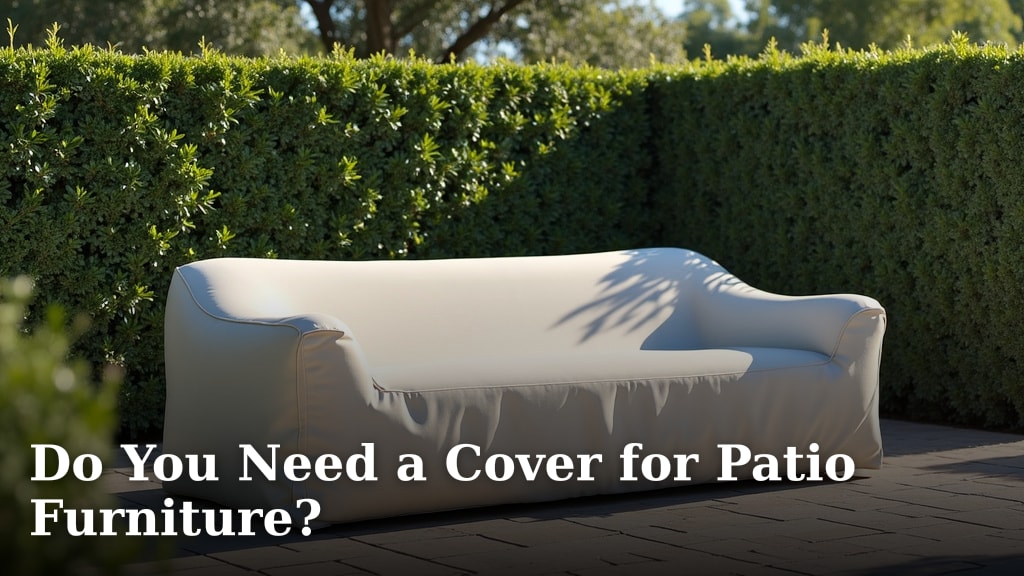
Yes, you absolutely need a cover for patio furniture if you want to protect your investment and keep it looking new. These covers shield your outdoor pieces from harsh weather and everyday wear and tear. They really help prevent damage.
You might think your furniture is tough, but sun, rain, and even pollen take a toll. Patio furniture covers significantly extend the life of your chairs and tables. They also save you time on cleaning and maintenance.
- Covers protect against sun, rain, and snow.
- They keep your furniture clean and dust-free.
- Using covers saves you money on replacements.
- Not all furniture needs a cover, but most benefits.
- Choosing the right cover is important for best results.
Let’s find out when covers are a must-have and how to pick the perfect one for your outdoor space. We want to help you make the best choice for your home.
Protecting Your Outdoor Furniture: Is It Really Necessary to Cover It?
Yes, protecting your outdoor furniture with covers is almost always necessary to maintain its condition and extend its lifespan. It’s like putting a coat on yourself before going out in the rain.
Understanding the Elements: What Are We Protecting Against?
When you leave your furniture outside, it faces a constant battle against Mother Nature. Each element brings its own set of challenges. Think of your patio furniture as being on the front lines every day.
The Sun’s Relentless Rays
The sun, while lovely for tanning, is a brutal force for outdoor furniture. Its ultraviolet (UV) rays can cause significant damage over time. You might notice colors fading on your cushions and frames.
- UV rays break down fabric dyes, leading to faded colors.
- They can weaken plastic and wicker materials, making them brittle and prone to cracking.
- Wood furniture can dry out and crack under constant sun exposure.
- Even metal frames can get excessively hot, making them uncomfortable to touch.
We found that sun exposure is one of the leading causes of outdoor furniture deterioration. It’s a slow but very effective destroyer.
Rain, Snow, and Humidity: The Moisture Menace
Water, in all its forms, is another major enemy. Rain, snow, and even high humidity can wreak havoc on your outdoor pieces. Imagine leaving a sponge out in the rain – it gets soaked and stays wet.
- Rust and corrosion are big concerns for metal furniture. Even powder-coated metals can eventually show rust spots.
- Wood can warp, rot, and develop mildew when constantly exposed to moisture.
- Cushions absorb water, leading to mold and mildew growth. This creates unpleasant odors and stains.
- Puddles can form on surfaces, leaving behind water stains or mineral deposits.
Many experts agree that keeping furniture dry is key to its longevity (National Weather Service). Covers provide that essential barrier.
Wind, Dust, and Debris: Everyday Assaults
Beyond the weather, daily environmental factors also play a role. Wind can blow dirt, leaves, and other debris onto your furniture. It’s like a never-ending attack of tiny projectiles.
- Dust and pollen settle on surfaces, requiring frequent cleaning.
- Wind can knock over lightweight items or cause scratches from airborne debris.
- Animal droppings, tree sap, and bird messes are also common nuisances.
These seemingly small issues add up. A cover keeps your furniture cleaner, meaning less work for you when you want to use it.
The Clear Benefits of Using Patio Furniture Covers
So, you’ve seen what the elements can do. Now, let’s look at the positive side. What do you gain by consistently covering your patio furniture? It boils down to protection and convenience.
Extending Your Furniture’s Lifespan and Appearance
This is arguably the biggest benefit. By covering your furniture, you’re actively fighting against wear and tear. You’re helping it stay new for longer.
Think of it as preventive medicine for your patio setup. A small effort now saves a lot of trouble later. We’ve seen countless examples of furniture lasting years longer with proper covering habits.
Maintaining Pristine Aesthetics
Nobody wants faded, rusty, or mildew-stained furniture. Covers help keep colors vibrant and materials intact. When you uncover your furniture, it looks just as good as when you covered it.
This also means your investment holds its value better. Planning to sell your house? Well-maintained outdoor furniture can be a selling point.
Saving Time and Money in the Long Run
While buying covers is an initial cost, it pays for itself. You’ll spend less time cleaning and less money on replacements or repairs.
Imagine not having to scrub off layers of grime every time you want to relax outside. Or not having to replace cushions every couple of seasons. It frees up your time for more enjoyable activities.
Reduced Cleaning and Maintenance
This is a big one for busy people. Covers keep dust, pollen, leaves, and grime off your furniture. When you remove the cover, your furniture is ready to use.
A quick wipe-down might be all you need, instead of a full wash. This reduces the need for harsh cleaning chemicals, which is good for both your furniture and the environment.
Fewer Replacements and Repairs
Replacing a full patio set can be expensive. Repairing damaged sections or cushions also adds up. By protecting your furniture, you drastically cut down these costs.
It’s like getting a higher return on your initial investment. We found that furniture without covers often needs replacement 2-3 times faster than covered furniture.
When Might You Not Need a Cover? (The Exceptions)
While covers are generally recommended, there are a few situations where they might be less critical. It’s not a one-size-fits-all answer.
Highly Durable, Weather-Resistant Materials
Some modern outdoor furniture is designed to be incredibly tough. Materials like marine-grade polymer or certain types of recycled plastics are very resilient. These might include:
- HDPE (High-Density Polyethylene) resin furniture: Often found in Adirondack chairs, this material resists fading, warping, and rot.
- Marine-grade aluminum: Highly resistant to rust and corrosion.
- Teak wood: Naturally rich in protective oils, making it very durable against the elements, though it will still fade to a silver-gray patina without protection.
Even with these materials, covers can still help keep them clean and prevent minor surface damage. They won’t magically ruin these materials, but they still benefit from protection.
Furniture in Fully Sheltered Areas
If your furniture is in a truly sheltered spot, like a fully enclosed porch or a screened-in patio, covers might be overkill. Here, the furniture is already protected from direct sun and rain.
However, even in sheltered areas, dust and humidity can still be issues. A cover could still offer an extra layer of cleanliness, especially if the area isn’t completely sealed off from the outside.
Short Seasonal Use or Temporary Setups
If you only bring out certain pieces for a short season or for specific events, covering might not be a top priority. For instance, if you store it indoors for most of the year and only use it for a few weeks.
But for anything left out year-round, even if it’s considered “seasonal” in some regions, a cover is still a wise choice.
Choosing the Right Cover: What to Look For
Not all covers are created equal! Selecting the right cover is as important as deciding to use one. A good cover should be made to last and fit your furniture well.
Important Features and Considerations
When you’re shopping for covers, keep an eye out for these key characteristics. They make a big difference in effectiveness and convenience.
Material Quality and Durability
The cover’s material is paramount. You want something that can stand up to the elements without tearing or degrading quickly.
We found that covers made from solution-dyed polyester or vinyl with a soft inner lining generally perform best. Look for materials that are:
- Waterproof or highly water-resistant: This is crucial for keeping rain out.
- UV-resistant: To prevent the cover itself from fading and deteriorating.
- Tear and abrasion-resistant: To withstand wind, branches, and general handling.
- Breathable: Some covers have vents to prevent moisture buildup underneath, which can cause mold. This is a smart feature.
A heavier denier fabric usually means a more durable cover. Don’t go for the cheapest, thinnest option if you want it to last more than one season.
Size and Fit: Customization vs. Universal
A cover is only effective if it fits properly. Too small, and it won’t cover everything. Too large, and it can flap in the wind, collecting water or even blowing off.
- Measure your furniture: Get accurate length, width, and height measurements. Don’t guess.
- Consider sets: Some manufacturers offer covers designed for entire patio sets or specific furniture pieces.
- Universal covers: These are more budget-friendly but might not offer the snug fit of a custom cover. If using universal, look for drawstrings or buckles.
A good fit prevents water pooling and ensures the cover stays put during windy conditions. It also looks neater on your patio.
Secure Fasteners and Vents
Features like elastic hems, buckles, straps, or drawstrings are essential. They help secure the cover tightly to your furniture, especially on windy days. Imagine a cover flying off in a storm – not helpful!
Vents are another excellent feature. They allow air circulation while still keeping rain out. This prevents condensation and keeps your furniture from getting musty underneath the cover.
A Quick Checklist for Cover Success
To summarize, here’s a handy checklist to help you decide and choose the right covers for your patio furniture:
- Do you live in an area with harsh sun, rain, or snow?
- Is your furniture exposed to direct weather elements?
- Do you want to extend the lifespan of your furniture?
- Do you want to reduce cleaning and maintenance time?
- Are you willing to make a small investment to protect a larger one?
- Have you measured your furniture accurately for sizing?
If you answered “yes” to most of these questions, then a cover for your patio furniture is definitely a worthwhile investment. It’s a simple step that yields significant, long-term benefits for your outdoor living space.
Comparing Cover Types and Their Protection Levels
To help you visualize the choices, here’s a brief comparison of common cover materials. This isn’t exhaustive, but it highlights key differences.
| Cover Material | Pros | Cons | Best For |
|---|---|---|---|
| Polyester | Lightweight, generally water-resistant, good UV protection | Can vary widely in durability, may not be fully waterproof without coating | General protection, moderate climates |
| Vinyl (PVC-coated) | Very waterproof, durable, easy to clean, good for heavy rain or snow | Can be stiff, less breathable, may crack in extreme cold over time | Harsh weather, year-round use |
| Solution-Dyed Fabric (e.g., woven polyester) | Excellent fade resistance, breathable, strong, often comes with warranty | Higher cost, can be heavier | Premium protection, high-end furniture, long-term use |
| Polypropylene | Breathable, good for preventing mold/mildew, lightweight | Less water-resistant than vinyl, generally less durable for heavy use | Humid climates, light protection, temporary use |
Understanding these differences can guide your decision. Each option has its strengths and weaknesses, just like different types of clothing for different weather.
Conclusion
Protecting your patio furniture effectively boils down to making smart choices. You’ve seen how sun, rain, and simple dust can degrade even the toughest materials. Investing in the right cover is not an expense, but a practical preservation strategy. It saves you effort, keeps your outdoor space looking great, and significantly extends the life of your furniture.
By assessing your local climate and your furniture’s needs, you can easily choose a cover that performs. Don’t let your outdoor investment dwindle; give it the protection it deserves. Start measuring your furniture today and find the perfect covers to keep it beautiful for years to come.
Frequently Asked Questions
Are expensive patio furniture covers always better than cheaper ones?
Not always, but there’s often a correlation. More expensive covers typically use higher-quality materials like solution-dyed fabrics or thicker vinyl. These offer better UV resistance and overall durability. Cheaper covers might tear or fade quickly, requiring more frequent replacement.
Can covers cause mold or mildew to grow on my furniture?
Properly designed covers, especially those with vents, are made to prevent mold and mildew. They allow for air circulation. Covers that trap moisture underneath, particularly non-breathable ones in humid climates, can potentially contribute to mold growth. Always ensure furniture is dry before covering.
Should I remove covers regularly, even if I’m not using the furniture?
It’s a good idea to periodically uncover your furniture, especially after long periods of rain or high humidity. This allows fresh air to circulate and any trapped moisture to evaporate. It also provides an opportunity to spot-check your furniture for any unexpected issues.
Do I need to cover my patio furniture during the summer?
Yes, covering your furniture even in summer is beneficial. The sun’s UV rays are intense during warmer months and cause significant fading and material breakdown. Covers also protect against pollen, dust, and sudden summer showers, keeping your furniture clean and ready to use.
How do I clean my patio furniture covers?
Most patio furniture covers can be cleaned with mild soap and water, using a soft brush or cloth. Avoid harsh chemicals or abrasive scrubbers, as these can damage the material or its protective coatings. Allow them to air dry completely before folding and storing, or before placing them back on your furniture.
