
Can You Leave Patio Furniture Outside in Winter?
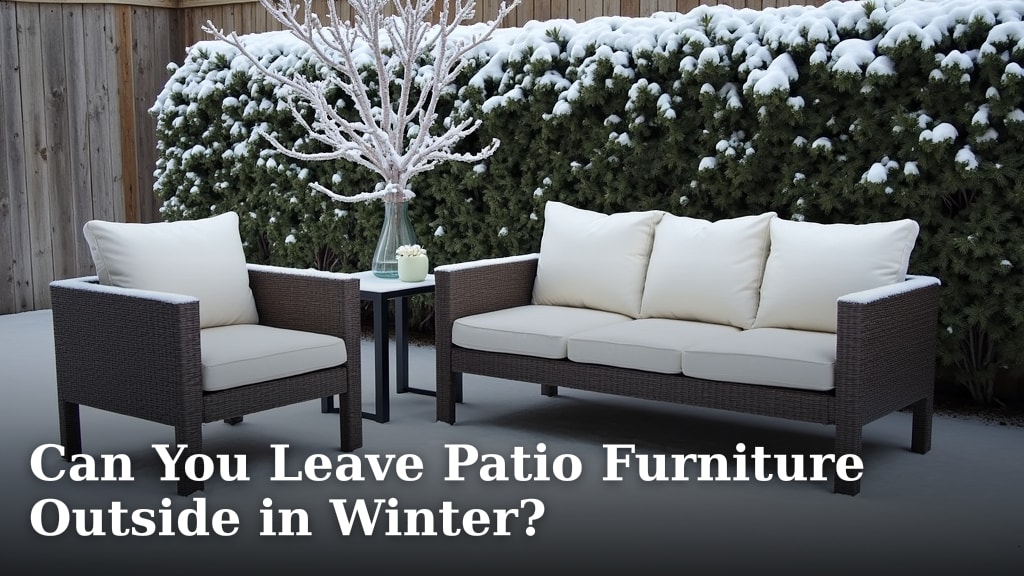
Yes, you can leave some patio furniture outside in winter, but only if it’s made from weather-resistant materials like treated aluminum or all-weather wicker. Leaving the wrong kind of furniture out can lead to damage and a shorter lifespan for your beloved outdoor pieces.
You might be wondering if your specific furniture can handle the cold, snow, and ice. Many folks just bring everything inside, but that’s not always necessary. We found that understanding your furniture’s materials is key to protecting your investment and keeping it looking good season after season.
- Some materials are winter-proof.
- Others need protection or storage.
- Prepping furniture saves it from damage.
- Even tough pieces benefit from covers.
Let’s look at exactly what you need to know to care for your patio furniture as the temperatures drop, making sure your outdoor space stays beautiful for years to come.
Assessing Your Patio Furniture’s Winter Readiness
So, you’re wondering if your patio furniture can tough it out through winter. The short answer is: it depends entirely on what it’s made of. Not all materials handle snow, ice, and freezing temperatures equally well. Let’s break down the different types.
You’ll hear phrases like “all-weather” or “weather-resistant.” These aren’t just marketing terms. They tell you a lot about how a piece will perform when the mercury drops. Understanding these differences protects your investment and avoids headaches come spring.
Understanding Common Patio Furniture Materials
We’ve found that knowing your materials is the very first step. It helps you decide whether to cover, store, or simply leave your items alone. Some materials will surprise you with their durability, while others will clearly need more care.
Metal Furniture: A Mixed Bag
Metal furniture can be tricky. While sturdy, different metals react differently to winter conditions. You need to know what you have.
- Aluminum: Good news! Aluminum is generally excellent for winter. It resists rust, which is a huge plus when moisture is present. However, painted or powder-coated aluminum can chip if hit hard by ice. Small nicks can expose the metal.
- Wrought Iron: This material is very heavy and sturdy. It can handle strong winds well. But, wrought iron will rust if not properly sealed and maintained. If you have wrought iron, make sure its protective coating is intact. Rust can spread quickly once it starts.
- Steel: Similar to wrought iron, steel, especially regular steel, is highly prone to rust. Stainless steel fares better, but even it can show signs of corrosion in harsh, salty winter air. We recommend covering or storing most steel furniture.
Wood Furniture: Natural Beauty, Specific Needs
Wood brings a beautiful, natural warmth to any patio. But winter can be tough on it. You can’t just leave all wood out and expect it to be fine.
- Teak: This is the king of outdoor wood. Teak is naturally rich in oils that make it highly resistant to rot, insects, and moisture. It will gracefully weather to a silvery-gray patina if left untreated, which many people love. You can leave teak out, but direct exposure to constant moisture might still cause some superficial issues.
- Cedar and Redwood: These woods also contain natural oils that help them resist decay. They are more durable than most other woods for outdoor use. They can withstand winter, but a cover will extend their lifespan and maintain their appearance.
- Pine, Fir, and Other Hardwoods: Unless these woods are pressure-treated or sealed regularly, they will not do well in winter. They can absorb water, swell, crack, and rot. If you have these, bring them inside or cover them extremely well.
You might notice discoloration or small cracks even in durable woods. This is often natural weathering. A good sanding and re-oiling in spring can usually restore their beauty.
Wicker and Resin: Understanding the Differences
Wicker and resin furniture often look similar but are very different in their winter performance. It’s easy to get them confused.
- Natural Wicker and Rattan: These are made from natural fibers. They are not designed for winter weather. They will absorb moisture, become brittle, crack, and mold. Always bring these items indoors, even if your winters are mild.
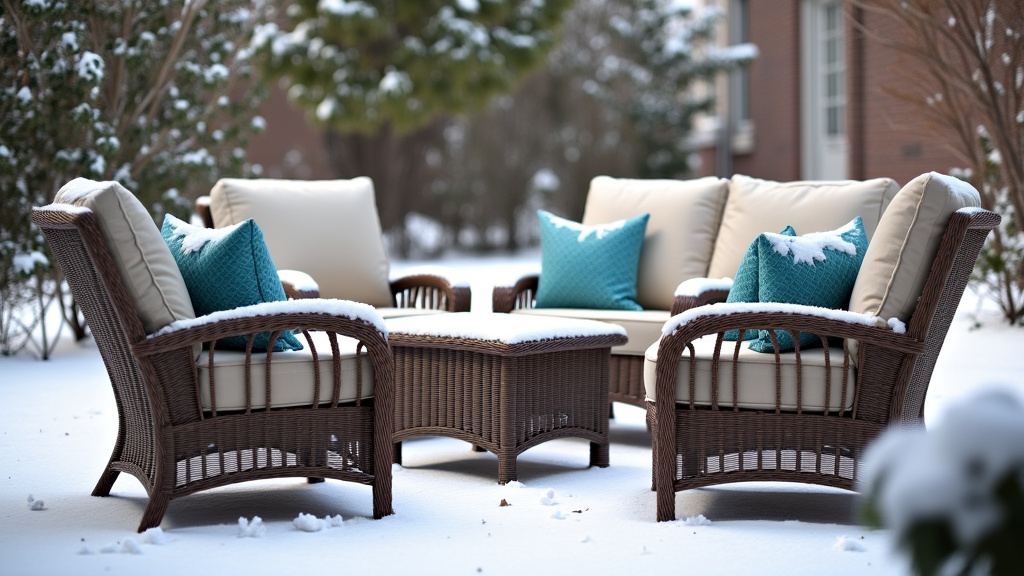
- All-Weather Wicker (Resin Wicker): This is made from synthetic materials, usually polyethylene (HDPE). This type is highly durable and can stay outside year-round. It’s resistant to UV rays, moisture, and temperature fluctuations. It won’t fade, crack, or peel in the cold. We often see homeowners choose this for true all-season outdoor living.
Plastics and Fabrics: Lightweight & Varying Durability
Plastics are common for casual outdoor settings, and fabrics are everywhere on cushions. Their winter performance varies greatly.
- High-Quality Plastics: Durable, high-density polyethylene (HDPE) plastics are generally fine outdoors. They resist cracking in the cold. However, cheaper plastics can become brittle and easily break in freezing temperatures.
- Patio Cushions and Fabrics: Most cushions are made with outdoor-specific fabrics like Sunbrella or Outdura. While these resist fading and mildew, they are not designed to endure constant snow and ice. They will eventually get waterlogged, promoting mold growth and damaging the foam inside. Even the best outdoor fabrics will last longer if stored or covered.
The Role of Protective Covers for Winter
Even if your furniture is “winter-ready,” covers are like a warm blanket for your patio pieces. We’ve found they add a significant layer of protection and can substantially extend the life of your furniture.
Don’t just grab any tarp, though. The type of cover matters. High-quality covers are breathable waterproof materials that prevent moisture buildup while keeping elements out. You want covers that fit snugly without trapping humidity.
- Advantages of Using Covers:
- Prevents cosmetic damage: Shields against dirt, bird droppings, and UV radiation, even in winter.
- Reduces wear and tear: Less exposure to freezing rain, snow, and ice means less stress on joints and materials.
- Keeps furniture cleaner: You’ll have less spring cleaning to do when your furniture emerges covered and protected.
Preparation Steps Before Winter Arrives
Before the first snowflake falls, a little preparation goes a long way. Think of it as winterizing your outdoor space. This care ensures your furniture looks good and lasts longer.
- Deep Clean Everything: Wash all furniture thoroughly. Use mild soap and water to remove dirt, pollen, and grime. This prevents mildew from developing under covers.
- Dry Completely: Ensure every piece is bone dry before covering or storing. Any trapped moisture is an invitation for mold and mildew.
- Inspect for Damage: Check for any loose screws, rust spots, or chipped paint. Address these now to prevent them from worsening over winter. (Environmental Protection Agency)
- Apply Protectants: For wooden furniture, consider applying a fresh coat of sealant or oil. For metals, touch up any chipped paint or apply a rust-inhibiting primer.
- Remove Cushions and Fabrics: Always bring cushions, pillows, and removable fabric pieces indoors. Even “all-weather” fabrics benefit from being stored in a dry, temperature-controlled environment.
Winter Storage: When and Why
For some furniture, storage isn’t optional; it’s essential. If you have delicate pieces or simply want to maximize longevity, indoor storage is your best bet.
What defines “fragile” or “delicate” in this context? Think natural wicker, untreated wood, or anything with significant textile components. These pieces simply cannot handle direct exposure to harsh winter conditions.
What kind of storage works? A garage, shed, basement, or even a covered porch are all good options. The goal is to get the furniture out of the direct elements.
If you have limited space, consider vertical storage solutions or stacking chairs. Many outdoor furniture sets are designed to stack, which is a huge space-saver. We’ve found that smart storage solutions make winterizing much less of a chore.
Checklist for Winterizing Your Patio Furniture
Here’s a quick guide to make sure you don’t miss anything. You’ll thank yourself when spring arrives!
- Clean all furniture surfaces thoroughly.
- Ensure everything is completely dry before covering or storing.
- Store all cushions, pillows, and delicate fabric items indoors.
- Inspect furniture for any pre-existing damage and repair it.
- Apply protective sealants or touch-up paint where needed.
- Cover weather-resistant furniture with breathable, waterproof covers.
- Move non-winter-proof items into indoor storage.
| Material Type | Can It Stay Out? | Pro-Tip for Winter |
|---|---|---|
| Aluminum | Yes, generally | Consider a cover for painted finishes. |
| Wrought Iron | With care | Check for rust, cover well. |
| Steel | Not recommended | Store indoors or cover extremely well. |
| Teak Wood | Yes | It will weather, can apply sealant. |
| Other Woods (untreated) | Not recommended | Store indoors or cover perfectly. |
| Natural Wicker | No | Must be stored indoors. |
| All-Weather Resin Wicker | Yes | Can stay out, cover for extra care. |
| High-Quality Plastic | Yes | Cheaper plastics may become brittle. |
| Cushions & Fabrics | No | Store indoors in a dry place. |
Conclusion
You now know that leaving patio furniture out in winter isn’t a one-size-fits-all answer. It all comes down to the materials and a bit of preparation. By understanding your furniture’s composition, cleaning thoroughly, and using proper covers or storage, you can protect your investment. Take these steps to ensure your outdoor oasis is ready to shine again come spring.
Frequently Asked Questions
Will my plastic patio chairs crack if left outside in freezing temperatures?
<
