
How To Treat Wrought Iron Patio Furniture?
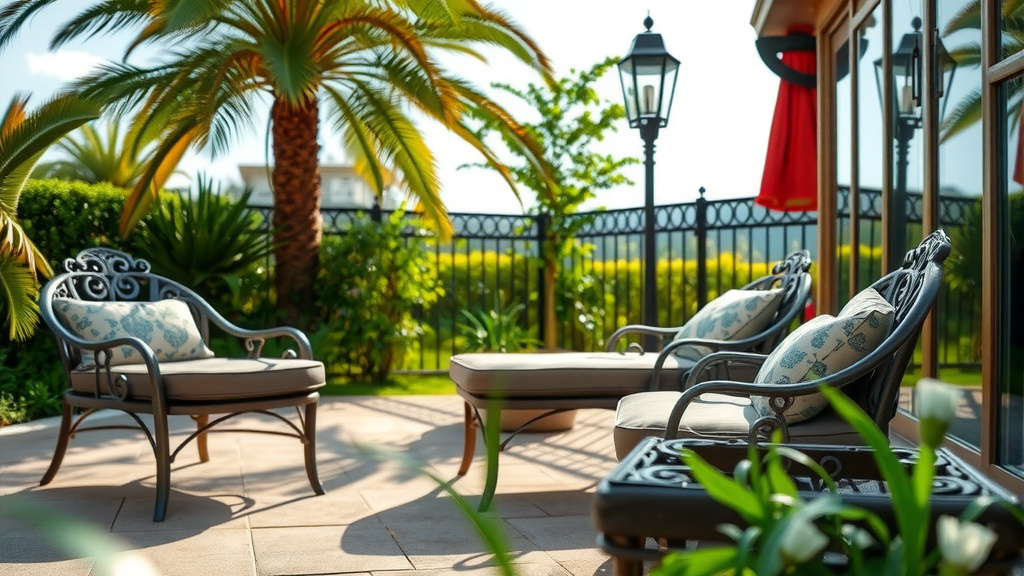
You treat wrought iron patio furniture by regular cleaning, rust removal, and applying a protective finish.
This approach helps keep your pieces beautiful and lasting for many years, preserving their classic charm and strength.
- Clean your wrought iron furniture often to stop dirt and grime from building up.
- Address any rust spots quickly using a wire brush or sandpaper to prevent spreading.
- Always prime bare metal areas before painting to ensure proper adhesion and protection.
- Apply a good rust-resistant paint to shield the iron and refresh its appearance.
- Perform a quick check-up once a year to find and fix small problems early.
How To Treat Wrought Iron Patio Furniture?
Taking care of your wrought iron patio furniture means giving it the attention it needs to battle the outdoor elements.
A little consistent effort goes a long way in preserving its strength and classic good looks.
Why Your Wrought Iron Needs Care
Wrought iron furniture adds a touch of timeless elegance to any outdoor space, doesn’t it?
It’s known for being incredibly strong and beautiful, but this durability faces one common challenge: rust formation.
Exposure to rain, humidity, and even salty air can cause rust, making your cherished pieces look worn.
With the right care, you can easily keep rust at bay and maintain that classic appeal for decades.
Gathering Your Essential Tools
Before you begin the transformation, gather your supplies. Having everything ready makes the process smooth and enjoyable.
Think about what you will need for cleaning, rust removal, and applying a new finish.
| Tool/Material | Primary Purpose | Quick Tip |
|---|---|---|
| Mild Soap & Water | General cleaning | Dish soap is often recommended; avoid harsh chemicals. |
| Wire Brush / Sandpaper | Rust removal | Start coarse, finish with fine grit for smoothness. |
| Rust-Inhibiting Primer | Metal preparation | Creates a strong bond for paint, stops rust. |
| Outdoor Metal Paint | Protection & finish | Choose oil-based or specific rust-resistant formulas. |
| Clean Rags / Drop Cloths | Wiping & protection | Keeps surfaces clean and guards against drips. |
| Safety Glasses & Gloves | Personal protection | Always shield your eyes and hands during work. |
Your Step-by-Step Treatment Plan
Ready to restore your furniture to its former glory? Let’s walk through the steps together.
Each stage plays an important role in achieving a lasting and beautiful result.
Cleaning Your Furniture Thoroughly
Cleanliness is the first and most basic defense for your wrought iron.
Regular cleaning stops dirt from settling and trapping moisture, which can quickly lead to rust.
Mix warm water with a mild dish soap in a bucket. Use a soft cloth or sponge to wipe down all surfaces.
For stubborn grime or mildew, a soft-bristle brush can help scrub spots without damaging the finish. Rinse thoroughly with a hose, ensuring no soap residue remains, then let it air dry completely (many experts agree on this initial step).
How to Tackle Rust Spots
Finding rust can be a bit frustrating, but it’s often quite manageable if you act early.
The key is to remove it completely before applying any new finish.
For small patches of surface rust, a wire brush works great to physically scrape away flakes. Follow this with medium-grit sandpaper to smooth the area and remove any remaining rust specks.
For deeper rust, an oscillating tool with a sanding attachment can speed up the process. You might also consider a rust-converting primer, which chemically changes rust into a stable, paintable surface (manufacturers often suggest these products for tough rust).
Remember to wear safety glasses and gloves, as rust particles can fly.
Prepping for a Smooth Finish
Good preparation is the secret to a long-lasting and beautiful finish, much like a solid foundation for a house.
After cleaning and rust removal, the surface needs careful attention before primer and paint.
Lightly sand the entire piece with fine-grit sandpaper (around 220-grit). This creates a slightly textured surface that paint can easily grip.
Then, wipe it down thoroughly with a tack cloth or a slightly damp cloth to remove all dust and sanding residue. This clean, textured base is ideal for paint adhesion (research often points to this as a critical step for durability).
Choosing the Best Protective Coating
The right finish not only makes your furniture look great but also shields it from future weather damage.
You have a few excellent options to consider for wrought iron protection.
For maximum durability, oil-based paints are a popular choice. They create a hard, weather-resistant finish. Rust-inhibiting paints, often labeled “direct to metal,” also contain compounds that actively prevent rust (many paint brands offer these specialized formulas).
If you love the natural look of your iron, a clear outdoor sealer or varnish can offer protection without changing its color. Some people also use a paste wax specifically for metal, buffing it to a sheen, which creates a water-repellent layer but may need more frequent reapplication.
Applying Your Finish with Care
Applying the finish correctly is just as important as choosing the right product.
The goal is always thin, even coats for the best results.
Whether you are brushing, rolling, or spraying, apply several thin coats instead of one thick one. This method helps prevent drips, ensures better adhesion, and results in a much smoother, more durable finish.
Always allow ample drying time between coats, following the product’s instructions precisely (this is where patience truly pays off for a professional look!).
Keeping it Maintained Year-Round
Treating your wrought iron furniture is not a one-time task; it’s an ongoing relationship to ensure its longevity.
A little routine care will keep it looking its best season after season.
Take a few minutes each season to inspect your furniture. Look for any new scratches, chips in the paint, or early signs of rust.
Catching these issues early means you can touch them up quickly before they become larger problems. It’s like checking the tires on your car; simple checks prevent bigger headaches down the road.
Consider this quick checklist for ongoing care:
- Wipe down furniture after heavy rains.
- Address any new scratches with touch-up paint immediately.
- Tighten loose bolts or connections as needed.
- Clean cushions separately and store them when not in use.
- Store furniture indoors or cover it during harsh winter months.
Common Pitfalls to Avoid
It’s easy to make small errors, but knowing them beforehand can save you significant time and effort.
Here are a few common mistakes to steer clear of when caring for your wrought iron pieces:
- Ignoring small rust spots, allowing them to spread and deepen.
- Skipping the crucial priming step before applying new paint.
- Using overly harsh chemical cleaners that can damage existing finishes.
- Applying one thick coat of paint, which often leads to drips and poor adhesion.
- Storing furniture wet or without proper protective covers in winter.
Conclusion
Giving your wrought iron patio furniture proper care is a straightforward way to preserve its beauty and strength for many years.
By following these steps—from routine cleaning and effective rust removal to applying protective finishes and ongoing maintenance—you are ensuring your furniture remains a stunning feature in your outdoor space.
Remember, a little consistent effort goes a long way in keeping that classic charm alive and well, letting you enjoy your pieces for many seasons to come.
How often should I clean my wrought iron patio furniture?
It’s generally a good idea to clean your wrought iron furniture at least once a month during the outdoor season. If it’s exposed to a lot of pollen, dust, or salty air, cleaning it every two weeks might be beneficial to prevent any significant buildup.
Can I use a power washer on wrought iron?
While power washers can be tempting for their speed, it’s usually best to avoid them for wrought iron furniture. The high pressure can chip paint, strip away protective coatings, and even force water into small crevices, which can accelerate rust formation. A gentle hose spray is usually sufficient for rinsing.
What if my wrought iron furniture is antique or very old?
For antique wrought iron, especially pieces with historical significance or original finishes, approach care with extra caution. You might want to consult a professional restorer specializing in antique metals to ensure you preserve its historical integrity and value, rather than attempting a full restoration yourself.
Is painting absolutely necessary, or can I just use a clear protective coat?
Painting generally provides the strongest protection against rust because it creates a robust barrier and often contains rust inhibitors. A clear coat can protect an existing finish, but if there’s any exposed metal or existing rust, painting after proper preparation is usually the most effective way to prevent future rust and ensure long-term durability.
How can I make the painted finish on my wrought iron last longer?
To extend the life of painted wrought iron, ensure thorough surface preparation including cleaning, sanding, and priming before applying paint. Use a high-quality, outdoor-specific, rust-resistant paint, apply multiple thin coats, and allow ample drying time between applications. Regular cleaning and prompt touch-ups of any chips or scratches will also significantly help.
