
How To Touch Up Cast Aluminum Patio Furniture?
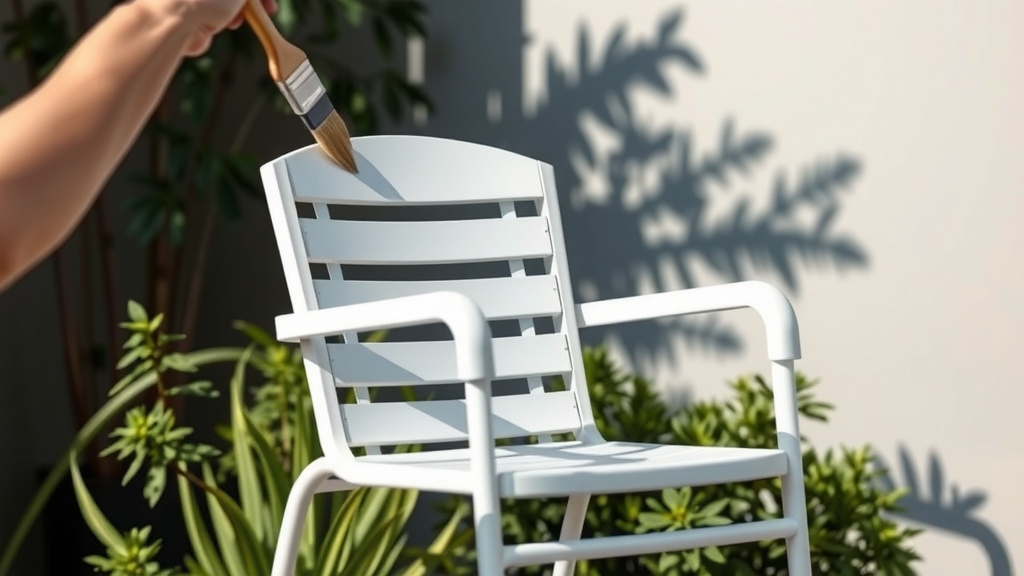
To touch up cast aluminum patio furniture, begin by cleaning the surface thoroughly and sanding lightly to smooth any rough spots.
Then, apply a rust-inhibiting primer, followed by a color-matched exterior-grade paint, ensuring thin, even coats for a durable finish.
- Get your cast aluminum patio furniture looking great again with a simple touch-up.
- Start by cleaning and prepping the surface carefully.
- Apply a good primer to help your new paint stick and protect from rust.
- Finish with exterior-grade paint, using light, even layers.
- Patience during drying and curing ensures a lasting, beautiful result.
How To Touch Up Cast Aluminum Patio Furniture?
You can touch up cast aluminum patio furniture by preparing the surface, applying primer, and then painting with suitable exterior-grade products.
Why Touch Up Your Furniture?
Over time, even the toughest cast aluminum patio furniture can show wear. Maybe a scratch from a dropped tool or a little chip from moving it around. These small imperfections aren’t just cosmetic; they can expose the metal underneath.
A simple touch-up brings back its good looks and protects your investment. It stops small issues from becoming bigger problems like widespread corrosion. Think of it like a mini spa day for your outdoor seating!
Gathering Your Touch-Up Tools
Before you dive in, let’s make sure you have everything you need. Having all your supplies ready saves time and frustration. It’s like gathering ingredients before baking a cake.
- Mild soap or dish detergent
- Clean cloths or sponges
- Soft-bristle brush
- Fine-grit sandpaper (220-400 grit)
- Wire brush (for stubborn spots)
- Rust-inhibiting primer (spray or brush-on)
- Exterior-grade paint (color-matched to your furniture)
- Painter’s tape and drop cloths
- Safety goggles and gloves
- Mineral spirits or paint thinner (for cleanup)
Preparing the Surface: The First Step
This stage is arguably the most important. Many experts say that proper surface preparation is the secret to a lasting finish. Skipping steps here can lead to peeling paint down the road, which nobody wants!
Cleaning Your Cast Aluminum
First, give your furniture a good clean. Mix mild dish soap with warm water. Use a soft cloth or sponge to wipe down the affected area. For any grime stuck in decorative crevices, a soft-bristle brush works wonders.
Rinse the area thoroughly with clean water. Make sure all soap residue is gone. Let it dry completely before moving on.
Sanding for a Smooth Finish
Now, it’s time to smooth things out. If you see flaking paint or rough edges, grab your fine-grit sandpaper. Lightly sand the damaged area, feathering out to the surrounding intact paint. Your goal is a smooth transition.
For any stubborn rust spots, a wire brush might be helpful. Be gentle to avoid scratching the good metal. We found that this step creates a perfect surface for primer to stick to.
Rinsing and Drying Thoroughly
After sanding, you’ll have some dust. Wipe down the area with a clean, damp cloth to remove all sanding dust. Let the surface dry completely again. Any moisture left behind can cause problems later, like bubbles in your paint.
Priming for Protection and Adhesion
Primer is your furniture’s best friend. It creates a barrier between the metal and the topcoat. Think of it as a sticky handshake for your paint, helping it bond better and last longer.
Choosing the Right Primer
For cast aluminum, selecting a rust-inhibiting primer is a smart move. Even though aluminum doesn’t rust like steel, this type of primer offers excellent adhesion and added protection. You can find these in spray cans or brush-on formulas.
Always check the product label to ensure it’s suitable for metal and outdoor use. We found that choosing a high-quality primer makes a significant difference in the final outcome.
Applying the Primer
Apply the primer in thin, even coats. If using a spray can, hold it about 8-12 inches away and use sweeping motions. For brush-on primer, use a soft brush and avoid heavy drips. A common mistake is applying too much at once.
Allow the primer to dry according to the manufacturer’s instructions. Often, two thin coats are better than one thick one. Lightly sand between coats if directed for an even smoother finish.
Selecting Your Topcoat Paint
The right topcoat paint will restore your furniture’s beauty and offer ongoing protection. Matching the original color is important, but durability matters just as much. You want paint that stands up to the elements.
Paint Types: A Quick Look
| Paint Type | Pros | Cons |
|---|---|---|
| Acrylic Latex (Exterior) | Easy cleanup, durable, fade-resistant, good for DIY. | May require more coats, can be less hard than oil-based. |
| Oil-Based Enamel (Exterior) | Very durable, hard finish, excellent adhesion. | Longer dry time, mineral spirits for cleanup, strong fumes. |
| Spray Paint (All-in-One Primer/Paint) | Convenient, smooth finish, good for intricate designs. | Less control, can be wasteful, fumes. |
Many experts recommend exterior-grade acrylic latex or oil-based enamel paints for cast aluminum. Both offer good protection and color retention for outdoor conditions. Always ensure it specifies metal use.
Painting Techniques for a Flawless Finish
Now for the fun part: adding color! Whether you’re using a brush or a spray can, the technique makes a big difference. Think about achieving a factory-like look, not a quick cover-up.
Application Tips
Just like with primer, apply your paint in thin, even layers. Multiple thin coats look much better and last longer than one thick, drippy coat. If using a brush, use smooth, consistent strokes. For spray paint, keep the can moving to avoid streaks and heavy spots.
Always allow each coat to dry to the touch before applying the next. This prevents tackiness and ensures proper adhesion. Don’t rush the process; patience pays off here.
Here’s a small checklist for painting success:
- Work in a well-ventilated area.
- Protect surrounding areas with drop cloths.
- Shake spray cans well for 1-2 minutes.
- Maintain consistent distance when spraying.
- Avoid painting in direct sunlight or high humidity.
- Clean brushes and tools immediately after use.
Drying and Curing: Patience is Key
Once your final coat is on, the waiting game begins. Paint needs to dry, but it also needs to cure. Drying means the solvents have evaporated and it’s dry to the touch. Curing is when the paint hardens completely, reaching its full durability.
Always follow the manufacturer’s recommendations for drying and curing times. This can range from a few hours for drying to several days or even weeks for full curing. During this period, avoid putting weight on the furniture or exposing it to harsh weather.
Maintaining Your Touched-Up Furniture
You’ve put in the effort, now protect your work! Regular, gentle cleaning helps your touched-up areas blend in and last longer. Avoid harsh chemicals or abrasive scrubbers.
Consider storing your furniture indoors or covering it during extreme weather. This simple step can significantly extend the life of both your touch-ups and the furniture itself. Small acts of care go a long way.
When to Call a Pro
While touching up small spots is a DIY-friendly task, sometimes a bigger job requires expert hands. If your furniture has extensive damage, widespread peeling, or structural issues, a professional restoration service might be your best option.
They have specialized equipment and techniques for stripping, sandblasting, and powder coating. This can give your beloved patio set a brand-new lease on life. Don’t hesitate to get quotes if the repair feels beyond your comfort zone.
Conclusion
Touching up your cast aluminum patio furniture is a rewarding project that extends its lifespan and keeps it looking fantastic. By following these steps—from thorough cleaning and careful sanding to priming and painting with the right products—you can tackle most minor imperfections yourself. Remember, patience with drying and curing times is just as important as the application itself. Your outdoor oasis deserves to look its best, and a little bit of care goes a long way in achieving that perfect, long-lasting finish.
How do I know if my patio furniture is cast aluminum?
Cast aluminum patio furniture is typically heavier than tubular aluminum, has intricate, solid designs, and does not rust. You can often test it with a magnet; a magnet will not stick to aluminum.
Can I use any outdoor paint for touching up cast aluminum?
No, you should use an exterior-grade paint specifically designed for metal surfaces. Look for paints that offer rust inhibition and are formulated to withstand outdoor elements like UV rays and moisture.
What kind of sandpaper should I use for small touch-ups?
For small touch-ups, use fine-grit sandpaper, typically between 220 and 400 grit. This will gently smooth rough spots and feather edges without causing deep scratches to the surrounding finish.
Is it better to brush or spray paint for touch-ups?
For very small, localized touch-ups, a fine brush can offer more precision. For slightly larger areas or if you want a very smooth, factory-like finish, spray paint can be effective, but requires careful masking.
How long does a cast aluminum touch-up last?
The lifespan of a touch-up depends on the quality of materials, surface preparation, and exposure to elements. With proper technique and good quality paint, a touch-up can last several years, especially with regular cleaning and maintenance.
