
How To Tie Down Patio Furniture?
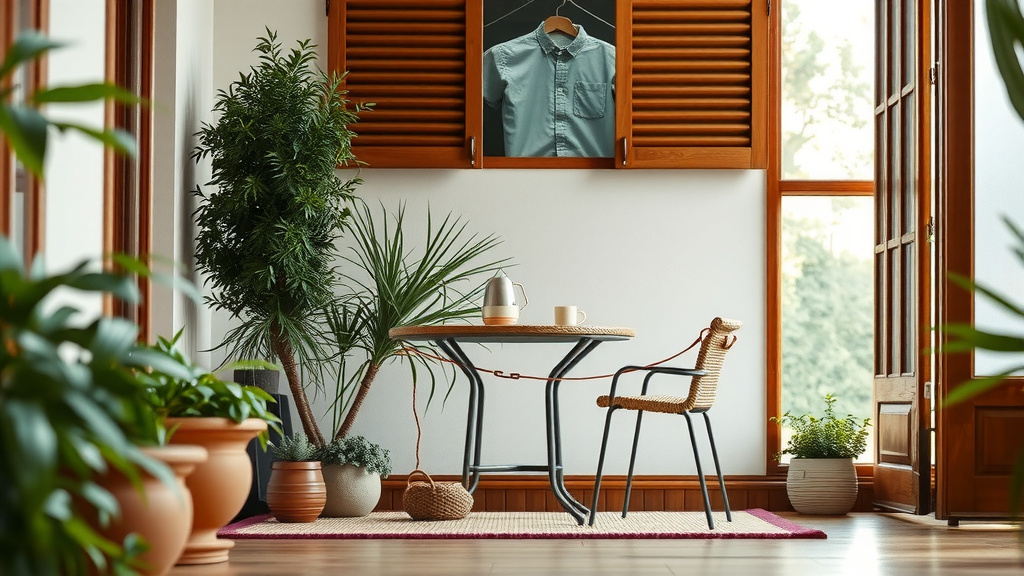
To tie down patio furniture effectively, anchor it to a stable structure using furniture straps, bungee cords, or weighted bases.
Secure lightweight items like cushions or umbrellas by bringing them indoors or using heavy-duty clips to prevent them from blowing away in strong winds.
TL;DR: Here’s the quick take on securing your patio furniture:
- Anchor heavier pieces to a deck, fence, or ground stakes with durable straps.
- Use weighted bases for umbrellas and fillable sandbags for lighter chairs.
- Store cushions, decorative items, and any fragile pieces indoors during bad weather.
- Regularly check your tie-downs for wear and tear, replacing them as needed.
- Prioritize safety and protection to avoid damage and potential hazards.
How To Tie Down Patio Furniture?
You can tie down patio furniture by connecting it to fixed points like decks or fences with strong straps. For lighter pieces, use weights or secure them together.
This keeps your outdoor space safe and prevents costly damage from strong winds.
Why Bother Tying Down Your Furniture?
Protecting your patio furniture isn’t just about saving money. It’s truly about safety.
A rogue patio chair can become a dangerous projectile in high winds, causing damage or even injury.
We found that securing your pieces offers peace of mind. You won’t worry every time a storm rolls in (National Weather Service).
Understanding Wind’s Power
Even a gentle breeze can turn into something stronger without warning. Think of a sudden gust.
Lightweight items, like plastic chairs or small side tables, are the first to take flight. They act like sails.
But don’t underestimate the wind’s ability to shift heavier items too. We often find even sturdy dining sets can slide or tip over.
Essential Tools for Securing Furniture
Knowing your options makes choosing the right method easy. You have several reliable tools at your disposal.
Many experts say that choosing the right tool depends on your furniture type and local weather conditions.
Patio Furniture Straps
These are your go-to for serious security. Patio furniture straps are typically made from durable nylon or polyester.
They often feature buckles or clips for a tight, adjustable fit. Research shows these are highly effective for connecting furniture to anchors (Good Housekeeping).
Bungee Cords and Rope
Bungee cords offer flexibility. They are great for bundling items together or securing covers.
Rope, especially marine-grade rope, is also very strong. You can use it for tying down larger, heavier pieces, but you need to know proper knot-tying.
Furniture Weights and Anchors
For freestanding items, weights are critical. Umbrella bases are a common example.
Sandbags or water-fillable weights can add stability to chairs or small tables. Ground anchors, which screw into the earth, offer a very strong tie-down point.
Step-by-Step Guide: How to Tie Down Your Pieces
Let’s walk through the process. It’s simpler than you might think.
A systematic approach ensures nothing gets overlooked.
1. Assess Your Furniture
First, look at your entire patio setup. Which pieces are most vulnerable?
Identify anything that’s light, tall, or has a large surface area for wind to catch.
2. Choose Your Anchorage Points
Where can you secure your furniture? Look for deck posts, railings, sturdy fences, or even concrete slabs.
If you lack fixed points, consider installing ground anchors or using heavy planters as anchors.
3. Attach Straps Securely
Wrap straps around the furniture legs or frame. Then connect them to your chosen anchor point.
Tighten them until there’s no slack, but avoid overtightening which could damage the furniture frame.
4. Add Weights Where Needed
For items like outdoor lamps or small plant stands, a discrete weight at the base can make a big difference.
For patio umbrellas, always use a heavy base designed for its size and consider additional sandbags.
5. Don’t Forget the Small Stuff
Cushions, throw pillows, and decorative items are prime targets for wind. They often fly away first.
Bring these items indoors or store them in a secure deck box during stormy weather.
Specific Furniture Types & Tie-Down Tips
Different pieces have different needs. Tailoring your approach helps a lot.
Umbrellas
Always close and secure your umbrella when not in use or when wind is expected. A strong base is vital.
Many experts recommend using an additional strap to bind the closed umbrella to its pole or a nearby anchor point.
Chairs and Sofas
Group chairs together and strap them to each other. This creates a heavier, more stable unit.
If possible, strap the grouped chairs to a deck railing or ground anchor. For sofas, use multiple straps to fixed points.
Tables
Glass-top tables are particularly susceptible to breakage if they tip. While heavy, they can still slide.
Strap the legs to nearby anchors. For lighter tables, consider adding sandbags to the base.
Cushions and Decorative Items
These are the easiest targets for strong gusts. Prevention is key here.
The best way to protect these lighter items is often to remove them entirely. You might also try:
- Using heavy-duty clips to attach cushions to chair frames.
- Storing small decorative items in a sealed container or bringing them indoors.
- Stacking cushions neatly and placing a heavy object on top, if leaving them outdoors.
When to Bring Furniture Indoors (The Ultimate Tie-Down)
Sometimes, tying down isn’t enough. Mother Nature can be very powerful.
For severe weather warnings, especially hurricanes or strong gales, bringing everything inside is the safest bet.
This includes cushions, fragile decor, and lightweight tables. We often find this protects against damage better than any tie-down.
Maintenance and Regular Checks
Just like anything else, your tie-down solutions need a little care.
Straps can fray, bungee cords lose elasticity, and anchors can loosen over time (Consumer Reports).
Before storm season or any forecasted high winds, take a few minutes to inspect your setup. Replace any worn components.
Before a storm, review these points:
- Are all straps tight and secure?
- Are anchor points firmly in place?
- Are cushions and light items stored away?
- Is the umbrella closed and strapped down?
- Do any bungee cords look stretched or weak?
Here’s a quick comparison of common tie-down methods:
| Method | Best For | Pros | Cons |
|---|---|---|---|
| Furniture Straps | Heavy furniture, large sets | Very strong, secure, adjustable | Requires anchor points |
| Bungee Cords | Lighter items, bundling | Flexible, easy to use | Less secure for heavy items, can wear out |
| Weighted Bases | Umbrellas, tall items | Freestanding stability, simple | Adds bulk, can be heavy to move |
| Ground Anchors | Any furniture with straps | Extremely secure, hidden | Installation required, not always removable |
Conclusion
Tying down your patio furniture is a simple, effective step to protect your investment and ensure safety. You can choose from straps, weights, or bringing items indoors.
By taking a few proactive measures, you can relax knowing your outdoor oasis is ready for whatever weather comes its way. It’s about smart preparation.
What is the best way to secure a patio umbrella?
The best way to secure a patio umbrella is to always close it when not in use or during high winds. Pair a heavy, appropriately sized base with a strong strap to anchor the closed umbrella to its pole or a nearby fixed point like a deck railing.
How often should I check my tied-down patio furniture?
You should check your tied-down patio furniture seasonally, especially before the start of stormy weather or hurricane season. Additionally, perform a quick check any time severe weather is forecasted for your area to ensure everything is still secure.
Can I use standard rope to tie down furniture?
Yes, you can use standard rope, but ensure it’s strong and weather-resistant, such as nylon or polypropylene. Learning a few reliable knots is essential for effective and secure tie-downs when using rope. Bungee cords are often easier for quick securing.
What if I don’t have any anchor points for my furniture?
If you lack fixed anchor points like deck posts or railings, consider installing ground anchors that screw into your lawn or garden. Alternatively, use heavy planters, filled sandbags, or water-fillable weights placed strategically to add stability to your furniture.
Will tying down my furniture prevent all damage in a severe storm?
While tying down furniture significantly reduces the risk, no method can guarantee 100% protection in an extremely severe storm, like a hurricane or tornado. For extreme weather, the safest option is to bring all lightweight and fragile items indoors, and if possible, store heavier furniture in a garage or shed.
