
How To Secure Patio Furniture To Deck?
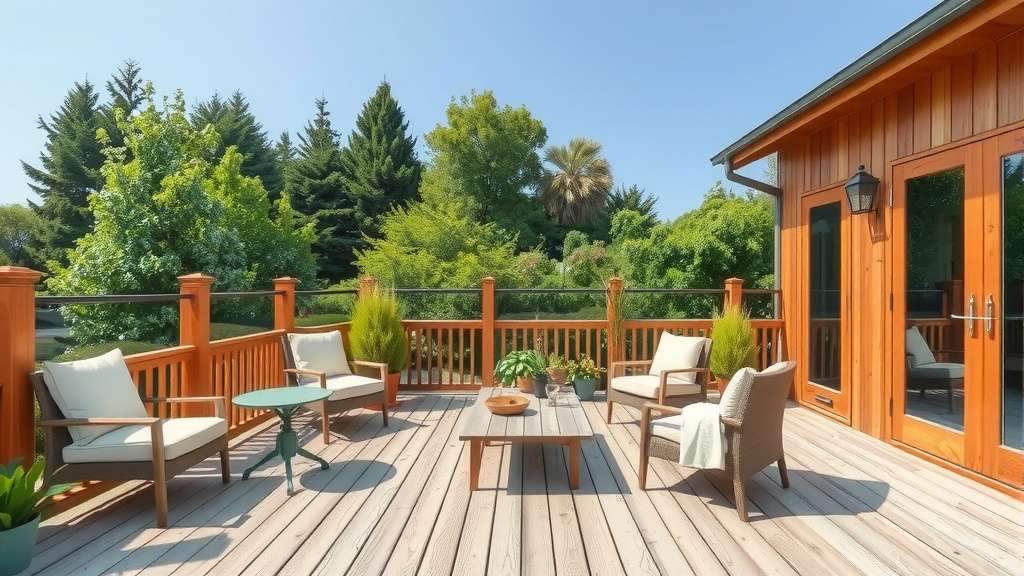
To secure patio furniture to your deck, consider using weight bags for stability, furniture straps or bungee cords to anchor pieces to deck railings, or specialized deck anchoring kits that bolt directly into the deck surface for a more permanent solution.
Each method offers varying levels of security, so choose based on your local weather, furniture type, and how permanent you want the attachment to be.
- Keep your patio furniture from blowing away or getting stolen by understanding simple anchoring methods.
- From ballast bags to deck anchors, you have several practical choices to keep things steady.
- The best approach often depends on your specific furniture and the local weather conditions.
- Always prioritize safety, especially with heavy or tall items like patio umbrellas.
How To Secure Patio Furniture To Deck?
Securing your patio furniture to your deck helps prevent it from flying away in high winds or being stolen. You can use various methods, from adding simple weights to more robust anchoring systems, ensuring your outdoor space stays safe and organized.
Why Bother Securing Your Furniture?
Imagine a gust of wind turning your favorite patio chair into a projectile. Not a pleasant thought, right? Securing your furniture isn’t just about tidiness; it’s about safety and peace of mind for your outdoor space.
The Wind’s Wild Card
Even a gentle breeze can shift lightweight items, but strong winds are a different story. They can easily lift chairs, tables, and even heavier pieces, sending them across your yard or worse, into a neighbor’s property. We found that wind damage is a common concern for homeowners with outdoor furniture.
Preventing Unwanted Guests (or Guests Walking Away With Your Stuff)
While wind is the main culprit, securing your furniture also acts as a deterrent against theft. Permanently anchored items are much less appealing to opportunists. It’s a small step that adds a layer of protection to your outdoor investment.
Assess Your Furniture Type
Before diving into solutions, take a moment to look at your furniture. Is it a heavy cast iron bistro set, or a lightweight aluminum lounge chair? The materials and weight will largely determine the best securing method.
Lighter pieces will need more robust anchoring, while heavier items might just need some extra stability. Many experts suggest a quick assessment can save you time and effort (Consumer Reports).
Tools and Materials You’ll Need
Gathering your supplies beforehand makes the job much smoother. You might not need everything on this list, but it gives you an idea of what’s available for a secure patio. We found that being prepared is half the battle!
- Weight Bags (sand or water filled)
- Furniture Straps or Bungee Cords
- Deck Anchoring Hardware (eye bolts, brackets)
- Drill and appropriate bits
- Wrenches or pliers
- Non-slip furniture pads
- Heavy-duty furniture covers
Top Methods for Anchoring Furniture
Ready to get your hands a little dirty? Let’s explore the most effective ways to keep your patio furniture right where it belongs. These methods range from simple additions to more permanent fixtures.
The Weighty Solution: Ballast Bags
Sometimes, the simplest solutions are the best. Ballast bags, often filled with sand or water, add significant weight to furniture bases. They are especially useful for umbrellas or the legs of lighter chairs. It’s like giving your furniture a sturdy anchor without drilling.
How to Use Ballast Bags
Simply place these bags over the base of your furniture. For patio umbrellas, specific base weights are designed to slip over the umbrella pole. Make sure the weight is evenly distributed to avoid tipping hazards.
Straps and Bungees: Simple & Effective
For a quick and budget-friendly option, straps and bungee cords are your friends. They allow you to connect furniture pieces to each other, or to a fixed part of your deck, like a railing or a post. Think of it as giving your furniture a hug that keeps it from running away.
Securing with Straps
Use UV-resistant straps to loop around furniture legs and then around a deck railing or another heavier piece of furniture. Bungee cords offer a bit more flexibility and stretch. Just ensure they are snug but not so tight they damage the furniture or deck.
Anchoring Kits: For a Solid Hold
When you need maximum security, especially in very windy areas, dedicated deck anchoring kits are the way to go. These kits typically involve drilling into your deck and attaching hardware. It’s a more permanent solution that offers serious stability.
Deck Anchors Explained
These kits often include eye bolts or specialized brackets that you screw directly into your deck’s joists or sturdy areas. You then attach your furniture to these anchors using straps or chains. Many experts confirm this method provides superior resistance against strong winds (National Weather Service).
Non-Slip Pads & Grippers
While not a primary anchoring method against high winds, non-slip pads are excellent for preventing furniture from sliding or scratching your deck. They provide extra friction, which can be helpful for lighter items on smooth surfaces. Consider them the silent guardians of stability.
Furniture Covers: More Than Just Protection
Heavy-duty furniture covers not only protect your furniture from the elements but can also add a small amount of weight and structure. Many covers have tie-downs or elastic hems that cinch around the furniture, offering a little extra security against lighter winds. We found that a good cover does double duty.
Securing Different Furniture Types
Not all patio furniture is created equal when it comes to securing it. Let’s look at some common types and the best approaches for each.
Tables and Chairs
For tables and chairs, especially those made from lighter materials like aluminum or resin, consider connecting them. You can use straps to link chairs to each other, or to a heavier table. Adding weight to the table base is also a good strategy. Many experts suggest securing dining sets together for collective stability.
Sofas and Sectionals
These larger pieces are generally heavier, but their broad surfaces can catch a lot of wind. Securing them usually involves anchoring the legs to the deck or using heavy ballast bags. If your sectional comes apart, make sure each piece is independently secured or linked firmly together. It’s about keeping the whole unit stable.
Umbrellas and Awnings
Patio umbrellas are notorious for becoming airborne. Always use a heavy base, often 50 pounds or more, specifically designed for umbrellas. Many experts recommend closing and securing umbrellas when not in use or during windy conditions (NOAA). Retractable awnings should always be retracted in strong winds to prevent serious damage.
Pro Tips for Long-Term Security
Keeping your patio furniture secure is an ongoing task, not a one-time project. A little regular attention goes a long way in maintaining its safety and lifespan.
Regular Checks Are Key
Just like anything else exposed to the elements, your securing methods can wear down over time. Make it a habit to check straps, anchors, and weights periodically. Are the bolts still tight? Are the straps frayed? A quick inspection can prevent bigger problems.
Storage During Extreme Weather
No anchoring method is foolproof against hurricanes or severe storms. During extreme weather warnings, the safest course of action is to bring lightweight furniture indoors or into a garage. For larger, heavier items, consider disassembling them or at least laying them flat to reduce wind resistance. Sometimes, playing it safe is the smartest move.
| Furniture Type | Recommended Security Methods | Best For |
|---|---|---|
| Lightweight Chairs | Straps, Bungees, Ballast Bags | Mild to moderate winds |
| Patio Tables | Deck Anchors, Heavy Bases, Straps | Moderate to high winds |
| Umbrellas | Heavy Base, Tie-downs, Retracting when not in use | All conditions (but retract in high winds) |
| Sofas/Sectionals | Deck Anchors, Ballast Bags, Linking sections | Moderate to high winds |
Here’s a quick checklist to help you secure your patio furniture:
- Evaluate your local wind conditions.
- Choose methods appropriate for your furniture weight.
- Inspect all securing hardware regularly.
- Store items indoors during severe weather.
- Ensure items are stable and won’t tip over.
Conclusion
Securing your patio furniture to your deck doesn’t have to be a complex task. By understanding your furniture, your environment, and the various options available, you can create a safe, stable, and enjoyable outdoor living space. Whether you opt for simple ballast bags or a robust anchoring system, taking these steps will provide peace of mind and protect your investment for years to come.
Frequently Asked Questions About Securing Patio Furniture
How much weight do I need to secure a patio umbrella?
Many experts suggest a base weighing at least 50 pounds for a standard 7.5-foot to 9-foot patio umbrella. For larger umbrellas or very windy areas, you might need a base weighing 70-100 pounds or more to ensure stability.
Can I use concrete blocks to weigh down furniture?
While concrete blocks add weight, they are often unsightly and can scratch your deck surface. It’s better to use purpose-built ballast bags, which are designed to be safe, visually appealing, and won’t damage your outdoor space.
Will furniture straps damage my patio furniture or deck?
When used correctly, furniture straps should not cause damage. Choose wide, soft straps to avoid abrasive wear, and ensure they are not overtightened. Always check them regularly for any signs of rubbing or wear on your furniture or deck.
Is it better to secure furniture to the deck or the house?
Securing to the deck is generally preferred if the deck structure is sound, as it keeps the furniture within its intended space. Anchoring to the house might be an option for certain items, but ensure you are not drilling into siding or structural components that could be compromised.
What should I do with my furniture during a hurricane warning?
During a hurricane warning, the best practice is to bring all patio furniture, especially lightweight items, indoors. For anything that cannot be moved, disassemble it if possible, lay it flat, and secure it with heavy-duty anchors and straps directly to a substantial structure. No method guarantees full protection against extreme weather.
