
How To Secure Patio Furniture To Concrete?
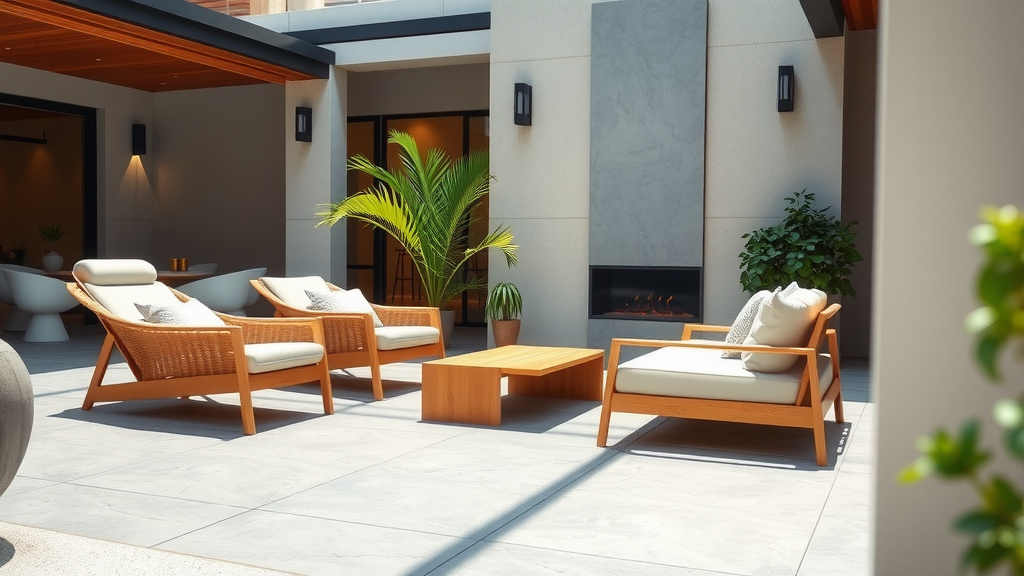
You can secure patio furniture to concrete using several methods, most commonly through anchoring kits with expansion bolts or by employing heavy base weights for added stability. The safest way to prevent your furniture from moving is to permanently affix it to the concrete surface, though temporary solutions also exist.
The best approach to securing your patio furniture depends on your specific furniture type, local weather conditions, and how permanent you need the solution to be.
- Protect your patio furniture from strong winds and theft by securing it.
- Choose between permanent anchoring, heavy bases, or temporary straps.
- Anchoring involves drilling into concrete for a very secure fix.
- Heavy weights or furniture with built-in ballast offer good stability without drilling.
- Always consider your furniture’s material and the condition of your concrete before starting.
How To Secure Patio Furniture To Concrete?
To secure patio furniture to concrete, you can drill and use anchors, attach heavy base weights, or employ strong outdoor straps and cables. Each method offers a different level of protection and permanence for your outdoor living space.
Why Bother Securing Your Patio Furniture?
Imagine a sudden gust of wind sending your beautiful outdoor dining set tumbling across the yard. Or worse, waking up to find your comfortable lounge chairs have vanished. Securing your patio furniture is not just about peace of mind; it’s about **protecting your investment**.
Many homeowners overlook this step until it’s too late. We often hear stories of minor damage turning into major expenses. A little planning now can save a lot of trouble later.
Protecting Against Wind Damage
Wind is a powerful force, especially in open areas or during storms. unsecured patio furniture can become a dangerous projectile, harming property or even people. Keeping it secure means you **won’t worry during bad weather**.
Research consistently shows that high winds are a leading cause of outdoor furniture damage (National Weather Service). This damage is often preventable with proper securing. It’s like fastening your seatbelt; you hope you don’t need it, but you’re glad it’s there.
Deterring Theft and Vandalism
Patio furniture, especially high-quality pieces, can be a target for theft. When items are easily moved, they become **easier targets for opportunists**. Securing them makes them much less appealing to potential thieves.
Even small, lightweight items like decorative planters or side tables benefit from being secured. It adds an extra layer of protection, making your patio a **less inviting target** (Home Security Council).
Understanding Your Furniture and Patio
Before you jump into securing anything, take a moment to assess what you have. Not all furniture is created equal, and neither are all concrete slabs. A bit of observation will guide your choice.
Assessing Furniture Weight and Material
Heavier furniture naturally offers more wind resistance. A solid cast iron bench needs less securing than a lightweight aluminum chair. Consider if your furniture has **legs or bases suitable for drilling** or if it’s too delicate.
Some materials, like plastic resin, might not hold up well to drilling or anchoring. Always check the manufacturer’s recommendations. You want to enhance stability, not damage your beloved furniture.
Checking Your Concrete Slab
Is your concrete patio slab in good condition? Are there cracks or uneven sections? Drilling into compromised concrete could **weaken it further** or lead to poor anchor adhesion. A solid, uncracked surface is ideal for anchoring.
You should also know the slab’s thickness. Most patio slabs are at least 4 inches thick, which is generally suitable for standard anchors. Deeper anchors might need thicker concrete, so measure if you can.
Top Methods for Securing Patio Furniture
There are several tried-and-true ways to keep your furniture grounded. Each has its advantages, depending on your needs and skill level.
| Method | Pros | Cons | Best For |
|---|---|---|---|
| Anchoring to Concrete | Most secure, permanent, high wind resistance. | Requires drilling, permanent holes, tools needed. | Heavy furniture, high wind areas, long-term placement. |
| Heavy Weights/Bases | No drilling, flexible placement, easy to move. | Less secure than anchoring, can be bulky, aesthetic impact. | Light to medium furniture, temporary setups, renters. |
| Straps, Cables, Chains | Affordable, flexible, good for multiple items. | Less secure than anchoring, can be unsightly, regular re-securing. | Groupings of furniture, temporary securing, budget-friendly. |
Anchoring Directly to Concrete
This is often the most secure method for permanent placement. Anchoring involves drilling small holes into your concrete patio and inserting special hardware to hold your furniture in place. It’s like giving your furniture **permanent boots**.
You can use different types of anchors, such as sleeve anchors or wedge anchors. Many experts at the **Outdoor Living Institute** agree that direct anchoring provides superior wind resistance and theft deterrence.
Using Heavy Weights or Bases
If you prefer not to drill or want more flexibility, adding weight is a great option. Many patio umbrellas come with heavy bases for this very reason. You can purchase specific **furniture weights or sandbags** designed for this purpose.
Some furniture pieces are designed with hollow legs or bases that you can fill with sand or water for added heft. This method is fantastic for areas with moderate wind and where you might want to **rearrange furniture often**.
Straps, Cables, and Chains
For a less permanent or more budget-friendly option, strong outdoor-grade straps, cables, or chains can work wonders. You can loop these around furniture legs and then around a fixed object, like a sturdy deck post or another heavy piece of furniture. Think of it as **giving your furniture a hug** to keep it in place.
These methods are especially useful for securing multiple lighter pieces together or for seasonal use. Always choose weather-resistant materials to ensure longevity and prevent rust marks on your concrete.
Step-by-Step: Anchoring Furniture to Concrete
If you’ve decided anchoring is for you, here’s a simple guide to get the job done right. This process requires a little effort but offers **maximum peace of mind**.
Gathering Your Tools
Having the right tools makes all the difference. Before you start, ensure you have everything within reach. Safety glasses and gloves are always a good idea, as concrete dust can be irritating.
- Hammer drill with appropriate masonry bit (matching anchor size)
- Safety glasses and work gloves
- Measuring tape and marker
- Vacuum or brush for dust removal
- Anchoring kit (e.g., sleeve anchors, wedge anchors)
- Hammer
- Wrench or screwdriver (depending on anchor type)
The Drilling and Anchoring Process
Take your time with each step to ensure a secure and lasting installation. Remember, measuring twice and drilling once is always wise. It’s a straightforward process, but **precision is key**.
First, position your furniture exactly where you want it. Use your marker to carefully mark the drill points through the furniture’s anchor holes. Make sure these marks are precise for proper alignment.
Next, move the furniture aside. Using your hammer drill with the correct masonry bit, drill holes into the concrete at each marked spot. Drill to the recommended depth for your specific anchors, usually marked on the bit itself or in the anchor instructions.
After drilling, thoroughly clean out the holes. Use a shop vacuum or a stiff brush to remove all concrete dust and debris. A clean hole helps the anchor **create a strong bond**.
Insert the anchors into the drilled holes. Tap them gently with a hammer if needed until they are flush with the concrete surface. Reposition your furniture over the anchors, aligning the furniture holes with the anchors.
Finally, secure the furniture to the anchors using the bolts, nuts, or screws provided in your anchoring kit. Tighten them firmly according to the manufacturer’s instructions. Do not overtighten, as this can damage the concrete or the anchor.
Other Smart Security Tips
Beyond the main methods, a few extra considerations can enhance your patio’s security and help your furniture last longer.
Consider Furniture Design
When buying new furniture, think about security from the start. Some designs naturally offer more stability or have built-in features for securing. Look for **heavier, more robust designs** if wind is a major concern.
Furniture with low centers of gravity or solid, wide bases will always be more resistant to tipping. Choosing these types from the outset can reduce your need for additional securing efforts.
Seasonal Storage Options
For extreme weather or long periods of non-use, simply storing your furniture away is the best protection. Many people bring in lighter pieces during hurricane season or cover everything during winter. This extends the **lifespan of your furniture** considerably.
Even anchored furniture might benefit from covers to protect it from harsh sun and rain. Think about what makes sense for your climate and your specific outdoor living setup.
Conclusion
Securing your patio furniture to concrete doesn’t have to be a daunting task. Whether you opt for the robust permanence of concrete anchors or the flexible stability of heavy bases, you’re taking a smart step to protect your outdoor space. By understanding your furniture, assessing your patio, and choosing the right method, you can **enjoy your outdoor oasis worry-free**. It’s all about making informed choices that fit your lifestyle and your specific environment.
What is the best way to secure lightweight patio furniture?
For lightweight patio furniture, using heavy base weights, sandbags, or interlocking straps is often the most effective method. These options add needed stability without requiring permanent drilling into your concrete patio, offering flexibility for rearrangement.
Can I secure patio furniture without drilling into the concrete?
Absolutely! You can secure patio furniture without drilling by using heavy umbrella bases, specialized furniture weights, or by filling hollow furniture bases with sand or water. Strong outdoor-grade straps or cables looped around existing sturdy structures also work well.
How do I prevent my patio furniture from blowing away in strong winds?
To prevent patio furniture from blowing away, choose a method that offers significant stability. Anchoring directly to the concrete with expansion bolts provides the highest wind resistance. For non-drilling options, very heavy bases or grouping furniture together with strong straps can also be effective.
Are there temporary solutions for securing patio furniture?
Yes, temporary solutions include using bungee cords, outdoor-grade straps, or chains to tie furniture to fixed objects or to other heavier pieces. Sandbags or water-filled weights are also excellent temporary options, easily removable when you want to reconfigure your space.
What should I consider before drilling into my concrete patio?
Before drilling, always assess the condition and thickness of your concrete slab. Ensure there are no cracks or signs of weakness. Also, be aware of any underground utilities (like irrigation lines) that might run beneath the area where you plan to drill. Using the correct size masonry bit for your anchors is also very important.
