
How To Remove Oxidation From Painted Aluminum Patio Furniture?
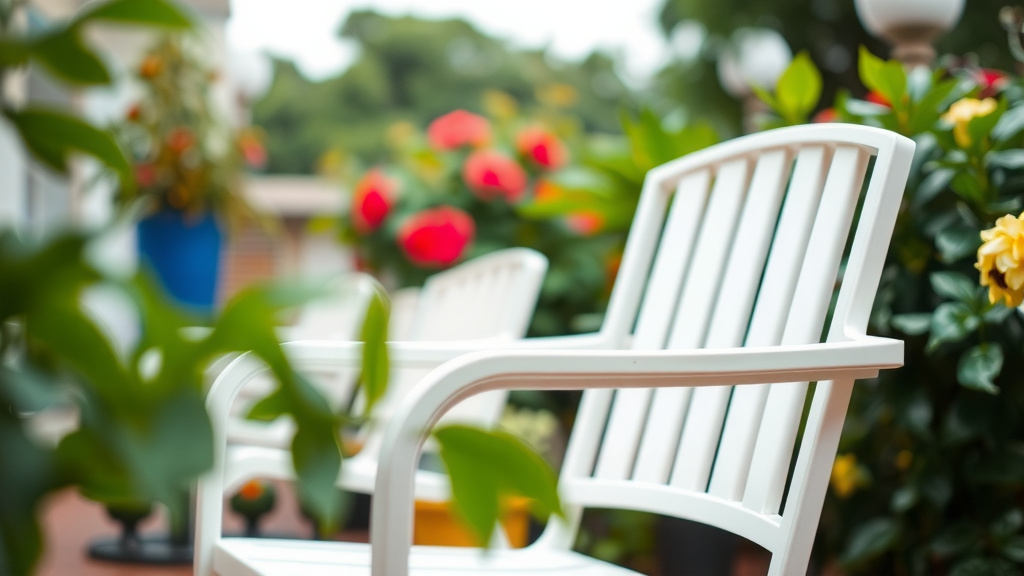
To remove oxidation from painted aluminum patio furniture, gently clean the affected areas with a mild solution of dish soap and warm water, using a soft cloth or sponge.
For tougher oxidation, a mixture of white vinegar and water, or a baking soda paste, can often restore your furniture’s original luster without harming the paint.
Here’s a quick summary of how to remove oxidation from your patio furniture:
- Gather gentle cleaning supplies like dish soap, warm water, and soft cloths.
- Start with the least abrasive method, like soap and water, testing on a small spot first.
- Use white vinegar or a baking soda paste for stubborn oxidation.
- Always rinse thoroughly and dry completely to stop water spots.
- Apply a protective wax or sealant to keep oxidation from coming back.
How To Remove Oxidation From Painted Aluminum Patio Furniture?
Removing oxidation from your painted aluminum patio furniture is a simple task that can bring your outdoor pieces back to life. You’ll find it takes just a little patience and the right cleaning products to make them look great again.
What Exactly is Oxidation on Patio Furniture?
Have you ever noticed a chalky, dull film on your once-vibrant outdoor furniture? That’s oxidation. It’s a natural process where metals react with oxygen in the air, creating a new compound on the surface.
Think of it like a dull coating stealing your furniture’s shine. This film can make your furniture look old and neglected, even if it’s well cared for.
Why Does Painted Aluminum Oxidize?
Even though aluminum is quite resistant to rust, it can still oxidize, especially when painted. The paint surface acts like a shield, but over time, sun, rain, and air pollution can break it down.
When the paint starts to break, the aluminum underneath becomes exposed. We found that this exposure starts the oxidation process, creating that cloudy look you want to remove.
Gathering Your Oxidation-Fighting Arsenal
Before you begin, gather your tools. You’ll need a few common household items. A soft sponge or cloth, mild dish soap, and warm water are your starting point.
For tougher spots, have white vinegar, baking soda, and a soft-bristle brush ready. Always grab a bucket for mixing your solutions, too.
Preparing Your Furniture for the Big Clean
First, remove any cushions or decorative items from your furniture. Then, give the furniture a quick rinse with a hose to wash away loose dirt and debris.
This initial wash saves you from scrubbing dirt into the paint, which could cause scratches. It’s like clearing the table before you start cooking.
Gentle Cleaning: Soap and Water Method
The simplest approach is often the best. Mix a few drops of mild dish soap into a bucket of warm water. Dip your soft cloth into the solution and gently wipe down the oxidized areas.
Many experts say to always start with the gentlest method (Cleveland Clinic). If the oxidation is light, this mild mixture might be all you need to restore the shine.
The Vinegar Power Approach
White vinegar is a fantastic natural cleaner. Mix equal parts white vinegar and water in a spray bottle. Spray it onto the oxidized spots, let it sit for a few minutes, then gently scrub with a soft cloth.
We found that the acid in vinegar helps break down the oxidation without being too harsh on the paint. Remember to rinse well afterward.
Baking Soda: A Natural Abrader
For more stubborn oxidation, create a paste with baking soda and a little water. Apply the paste to the affected area and let it sit for 5-10 minutes.
Using a soft cloth or sponge, gently rub the paste in small, circular motions. The slight abrasive quality of baking soda helps lift the oxidation. Research often connects mild abrasives with safe stain removal (Environmental Protection Agency).
When to Consider Commercial Cleaners
Sometimes, household remedies aren’t quite enough. There are commercial aluminum cleaners specifically designed for painted surfaces. Always choose one labeled as safe for painted aluminum.
Read the product instructions carefully and test it on an inconspicuous spot first. This helps ensure it won’t damage your furniture’s finish.
| Cleaning Method | Effectiveness | Ease of Use | Safety for Paint |
|---|---|---|---|
| Dish Soap & Water | Good for light oxidation | Very Easy | High |
| White Vinegar Solution | Good for moderate oxidation | Easy | High |
| Baking Soda Paste | Good for tougher spots | Medium | High (use gently) |
| Commercial Cleaner | Excellent for heavy oxidation | Medium | Varies (test first) |
Your Step-by-Step Guide to Oxidation Removal
Ready to tackle that oxidation? Here’s a simple checklist to keep you on track:
- Gather all your supplies.
- Rinse the furniture to remove loose dirt.
- Apply your chosen cleaner (start mild, get stronger if needed).
- Gently scrub the oxidized areas.
- Rinse the furniture thoroughly.
- Dry completely to avoid water spots.
Rinsing Away the Grime
After scrubbing, a good rinse is essential. Use a garden hose to wash away all traces of the cleaning solution and loosened oxidation. Make sure no soapy residue is left behind.
Leftover cleaner can attract new dirt or even cause streaks. Think of it as rinsing shampoo from your hair – you want it all gone.
Drying Your Furniture the Right Way
Allowing your furniture to air dry fully is fine, but for the best results, wipe it down with a clean, dry cloth. This prevents water spots, which can be annoying to remove later.
A quick towel dry helps ensure no moisture is left to encourage new oxidation. It’s like putting away clean dishes dry to avoid spots.
Shielding Your Furniture from Future Oxidation
Once you’ve removed the oxidation, you’ll want to keep it from coming back. Prevention is often easier than removal. A little maintenance goes a long way.
Regular Cleaning Habits
A simple routine cleaning can stop oxidation before it even starts. Wipe down your furniture every few weeks with just soap and water. This removes environmental buildup that contributes to oxidation.
It’s like brushing your teeth daily to keep cavities away. Small efforts can preserve your furniture’s beauty.
Applying a Protective Wax or Sealant
Consider applying a coat of automotive wax or a specialized furniture sealant after cleaning. This creates a barrier between the paint and the elements.
Many experts agree that a protective layer can significantly reduce the chances of oxidation returning. It’s like putting sunscreen on your skin before going outside.
Smart Storage Solutions
During harsh weather, cover your patio furniture or store it indoors if possible. This protects it from excessive sun, rain, and temperature changes. It’s a simple step that adds years to your furniture’s life.
Even a simple waterproof cover can make a big difference in preventing wear and tear.
When Is It Time to Call in the Professionals?
Sometimes, the oxidation might be too severe, or you might feel unsure about tackling it yourself. If the paint is peeling or the oxidation runs deep, a professional might be your best option.
They have specialized tools and stronger solutions. There’s no shame in calling for help when a job is beyond your comfort zone. We all need a little help sometimes.
Conclusion
Removing oxidation from your painted aluminum patio furniture doesn’t have to be a big chore. With simple tools and a bit of patience, you can restore its beauty and extend its life.
Remember to start with the gentlest methods, work your way up if needed, and always protect your furniture afterward. Your patio furniture will thank you, looking fresh and inviting for seasons to come!
How often should I clean my patio furniture to prevent oxidation?
For most climates, a light cleaning every 2-4 weeks during peak outdoor use, and a deeper clean quarterly, can greatly help prevent oxidation buildup. If you live near the coast or in a high-humidity area, you might need to clean it more often.
Can I use a power washer to clean oxidized aluminum furniture?
Using a power washer is generally not recommended for painted aluminum patio furniture. The high pressure can damage the paint finish, leading to chipping or peeling, which then exposes the aluminum to faster oxidation. A gentle hose spray is safer.
What kind of wax should I use for protection after cleaning?
An automotive car wax, especially one designed for painted surfaces, works well to protect your patio furniture. Look for carnauba wax or a synthetic polymer sealant. These create a durable, water-repellent barrier that guards against new oxidation.
Will cleaning oxidation remove the paint from my furniture?
If you use the gentle methods described, like dish soap, vinegar, or baking soda paste with a soft cloth, you should not remove the paint. The goal is to lift the oxidation from the paint surface, not to strip the paint itself. Always test in a small, hidden area first.
My furniture still looks dull after cleaning, what should I do?
If your furniture still looks dull after cleaning, the oxidation might have caused etching or wear to the paint finish itself. At this point, you might consider painting the furniture for a refresh or consulting with a professional furniture restoration service for their guidance.
