
How To Refurbish Cast Aluminum Patio Furniture?
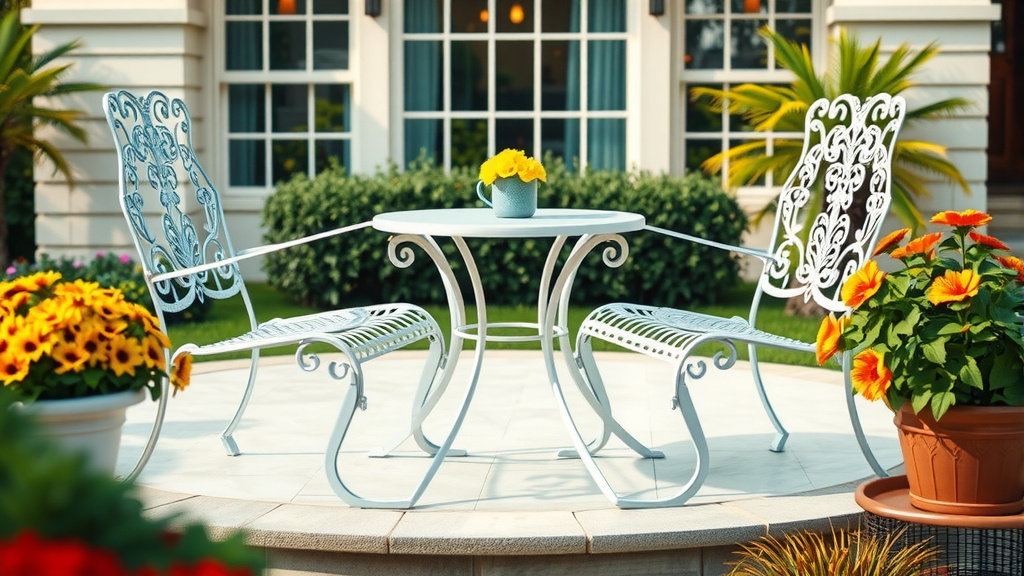
To refurbish cast aluminum patio furniture, you typically need to clean, sand, prime, and paint it to restore its original beauty and protect it from the elements.
The process involves careful preparation, choosing the right products, and applying them correctly for a durable, refreshed finish that will make your cast aluminum patio furniture look new.
- You can refresh your cast aluminum furniture with a simple DIY project.
- Start by thoroughly cleaning the surfaces to remove dirt and old paint.
- Sanding helps create a smooth surface for new paint to stick to.
- Applying a good primer is key for paint adhesion and rust prevention.
- Finish with outdoor-grade paint for a durable, beautiful look.
How To Refurbish Cast Aluminum Patio Furniture?
Refurbishing cast aluminum patio furniture involves a series of steps to bring it back to life. You will clean, prepare, prime, and paint your pieces for a beautiful, lasting finish.
Is Your Furniture Worth Refurbishing?
Before starting, ask yourself if the furniture is worth the effort. Is the frame solid? Are there any major cracks or breaks? Minor flaws are fine, but extensive damage might make replacement a better choice.
Many experts say that cast aluminum is highly durable and often a great candidate for refurbishment. It typically lasts for decades.
Gathering Your Essential Tools and Materials
You wouldn’t build a house without tools, right? The same applies here. Having everything ready saves time and frustration. Let’s get organized.
We found that having the right supplies makes this project much smoother. Think of it like cooking; you need your ingredients.
What You’ll Need:
- Mild detergent or dish soap
- Warm water
- Stiff brush or scrub pad
- Wire brush (for stubborn spots)
- Sandpaper (various grits: 80, 120, 220)
- Electric sander (optional, but a time-saver)
- Degreaser (like mineral spirits)
- Painter’s tape and drop cloths
- Self-etching primer (suitable for aluminum)
- Outdoor-grade spray paint or paint for metal
- Clear topcoat (optional, for added protection)
- Safety gear: gloves, safety glasses, respirator mask
Step 1: The Initial Clean-Up – Washing Away the Grime
First things first, let’s get those pieces squeaky clean. You need a fresh start, like a blank canvas. This step removes all the accumulated dirt, pollen, and cobwebs.
Mix warm water with a mild detergent. Use a stiff brush to scrub down every surface. Pay attention to nooks and crannies where dirt loves to hide.
For tougher spots, we found a wire brush can help loosen old paint chips or rust, though cast aluminum resists rust well. Rinse thoroughly with clean water and let it dry completely in the sun.
Step 2: Preparing the Surface – Sanding and Smoothing
Now comes the muscle work: sanding. This creates a rough texture for the new paint to grip onto. It’s like preparing a wall before painting it.
Start with 80-grit sandpaper for any flaking paint or rough areas. Then move to 120-grit for a smoother finish. Finally, use 220-grit sandpaper to achieve a fine, uniform surface.
If you have an electric sander, it can certainly speed up this process for larger flat areas. Always wipe down with a tack cloth after sanding to remove dust.
Step 3: Degreasing – A Crucial Detail
Even after cleaning and sanding, there might be unseen oils or residues. These can prevent primer and paint from sticking properly. Think of it as ensuring a perfectly clean plate before serving food.
Apply a degreaser, like mineral spirits, with a clean rag. Wipe down all surfaces. This step is often overlooked but is vital for proper paint adhesion, as research consistently points out.
Allow the degreaser to evaporate fully. Good ventilation is important here.
Step 4: Priming – The Foundation for Success
A good primer is like the foundation of a house; it ensures everything else holds up. For cast aluminum, you’ll want a self-etching primer.
Apply the primer in thin, even coats. Multiple light coats are always better than one thick, drippy coat. Follow the manufacturer’s instructions for drying times between coats (Sherwin-Williams often recommends specific dry times).
This step helps paint stick better and provides an extra layer of protection. You want even coverage for best results.
Step 5: Painting – Bringing Color Back
This is where your furniture truly transforms! Choose an outdoor-grade paint designed for metal. Spray paint is often easiest for cast aluminum’s intricate designs.
Paint Application Tips:
| Application Type | Method | Key Benefit |
|---|---|---|
| Spray Paint | Hold can 8-12 inches away, use sweeping motions. | Even coverage, great for details. |
| Brush-On Paint | Use a good quality brush, long, even strokes. | Thicker coat, good for durability. |
| Multiple Coats | Apply 2-3 thin coats, allowing drying time. | Stronger finish, better protection. |
Remember, thin coats prevent drips and ensure a smooth, professional-looking finish. Patience is your friend in this step.
Step 6: Optional Clear Topcoat – Extra Protection
Want to give your furniture an extra shield? A clear topcoat can add durability and a lovely sheen. It’s like putting a laminate over an important document.
Apply a clear, outdoor-grade topcoat after your paint has fully cured. Again, follow the manufacturer’s directions for application and drying. This layer can help protect against UV rays and minor scratches.
Many experts find that a topcoat significantly extends the life of your paint job (PPG Industries often suggests clear coats for longevity).
Refurbishing Checklist
Keep this quick checklist handy as you work through your project:
- Did you thoroughly clean the furniture?
- Is the surface sanded smooth and free of old paint?
- Have you degreased all surfaces completely?
- Did you apply a self-etching primer in thin coats?
- Are there 2-3 thin, even coats of outdoor paint?
- Considered applying a clear topcoat for added protection?
Maintenance After Refurbishing
You’ve put in the work, so let’s keep that furniture looking great. Regular cleaning helps prevent dirt buildup. A simple wipe-down with soapy water often does the trick.
We found that covering your furniture during harsh weather or off-season can drastically extend its refurbished life. It’s a small effort for a big reward.
Conclusion
Refurbishing your cast aluminum patio furniture is a rewarding project that saves money and brings new life to your outdoor space. By following these steps—cleaning, sanding, priming, and painting—you can achieve a durable, beautiful finish.
It’s a process that requires patience and attention to detail, but the result is outdoor furniture that looks fantastic and is ready for years of enjoyment. Your patio will thank you for the refreshed look!
How do I remove old paint from cast aluminum?
To remove old paint from cast aluminum, start by scrubbing with a wire brush for loose flakes. For stubborn paint, use a chemical paint stripper designed for metal, carefully following its instructions, or consider sanding with rougher grit sandpaper first.
What kind of paint is best for outdoor aluminum furniture?
The best paint for outdoor aluminum furniture is an outdoor-grade spray paint or brush-on paint specifically formulated for metal surfaces. Look for paints that offer rust inhibition and UV protection, as these factors contribute to a long-lasting finish.
Can you powder coat cast aluminum patio furniture?
Yes, you can powder coat cast aluminum patio furniture. Powder coating offers an incredibly durable and weather-resistant finish, superior to traditional paint. However, it requires specialized equipment and is typically done by professional services, making it a more expensive option.
How long does it take for painted cast aluminum furniture to dry?
The drying time for painted cast aluminum furniture depends on the paint type, humidity, and temperature. Generally, touch dry can be a few hours, but it’s crucial to allow 24-48 hours for full cure between coats and before heavy use. Always check the paint manufacturer’s specific instructions for drying times.
Is it better to spray paint or brush paint cast aluminum?
For cast aluminum patio furniture, spray painting is often preferred. Its intricate designs make it challenging to get an even finish with a brush. Spraying allows for smoother, more uniform coats without brush marks, especially in detailed areas. However, brush painting can offer a thicker, more durable coat on simpler designs.
