
How To Protect Aluminum Patio Furniture?
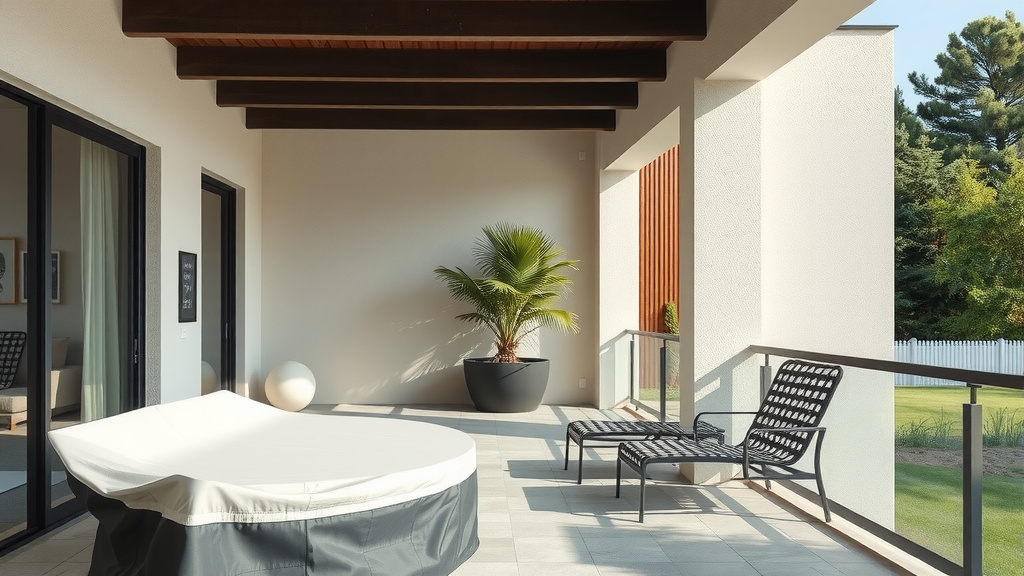
To protect aluminum patio furniture, regularly clean it with mild soap and water, then apply a protective automotive wax or sealant to create a barrier against the elements.
Storing your furniture with high-quality, breathable covers when not in use, especially during harsh weather, significantly extends its life and maintains its appearance.
Here’s the quick summary of how to keep your aluminum patio furniture looking great for years:
- Keep it clean with regular, gentle washing.
- Apply a protective wax or sealant annually.
- Use breathable furniture covers when not in use.
- Store it indoors during extreme weather or off-season.
- Avoid harsh chemicals that can damage the finish.
How To Protect Aluminum Patio Furniture?
Protecting your aluminum patio furniture means regular cleaning and applying a good sealant, ensuring it stays beautiful for years to come.
Think of it as giving your outdoor pieces a spa day, keeping them fresh and guarded.
Why Bother Protecting Aluminum?
You’ve invested in aluminum patio furniture for its style and reputation for durability.
Aluminum is naturally rust-resistant, which is fantastic.
But that doesn’t mean it’s invincible, does it?
It still faces challenges from Mother Nature and daily wear.
Proper care safeguards its finish, prevents discoloration, and extends its lifespan considerably.
It helps keep your outdoor space looking sharp and well-maintained.
The Enemy: What Harms Aluminum Patio Furniture?
Even though aluminum is tough, certain elements can cause trouble.
Understanding these threats helps you better protect your investment.
Let’s look at the main culprits.
Sun’s Impact on Aluminum
The sun’s ultraviolet (UV) rays are powerful.
Over time, intense sunlight can fade painted finishes on aluminum furniture.
It can also dull powder coatings, making your vibrant pieces look tired.
Think of it like leaving a bright poster outside for too long; it loses its pop.
Rain and Moisture Concerns
While aluminum doesn’t rust like iron, prolonged exposure to moisture isn’t ideal.
Rain can carry pollutants that settle on surfaces, leading to grime buildup.
Persistent dampness in crevices can sometimes lead to oxidation, causing a dull, whitish film.
We found that standing water can degrade finishes over time.
Chemical Culprits
Household cleaners, pool chemicals, and even certain plant fertilizers can harm aluminum.
Abrasive cleaners can scratch the surface or strip protective coatings.
Harsh chemicals can react with the aluminum, causing unsightly stains or pitting.
It’s like using sandpaper on a smooth table; it just isn’t right.
Essential Protection Strategies
Now that we know what to watch out for, let’s talk solutions.
Protecting your aluminum furniture is easier than you might think.
A little proactive care goes a long way.
Regular Cleaning: Your First Line of Defense
Keeping your furniture clean is the most basic, yet critical, step.
Think of it as washing your car to keep it shiny.
We recommend cleaning aluminum furniture every few weeks or as needed.
Gentle Cleaning Solutions
Use a mild soap, like dish soap, mixed with warm water.
A soft cloth or sponge works best for wiping down surfaces.
Avoid anything abrasive that could scratch the finish.
Rinsing Properly
After washing, rinse thoroughly with clean water.
Leftover soap residue can attract dirt or leave streaks.
Allow the furniture to air dry completely, or use a soft towel.
Waxing and Sealing: A Protective Shield
Once clean, adding a protective layer is a smart move.
This barrier helps repel water and UV rays, just like sunscreen for your skin.
Many experts say this is a key step for longevity (National Outdoor Furniture Association).
What Type of Wax/Sealant
An automotive car wax works wonderfully on aluminum.
There are also specialized outdoor furniture sealants available.
Ensure the product is suitable for painted or powder-coated metals.
Application Tips
Apply the wax or sealant with a clean, soft cloth.
Follow the product instructions for the best results.
Buff it to a nice shine, usually once or twice a year, depending on exposure.
Furniture Covers: The Smart Layer
Covers provide an immediate, physical shield against the elements.
Using them is like putting a raincoat on your furniture during a storm.
Choosing the Right Cover
Look for covers made from breathable, waterproof material.
Breathable covers prevent moisture buildup underneath, which can cause mildew.
Ensure they fit snugly but aren’t too tight, allowing air circulation.
When to Use Them
Use covers during periods of heavy rain, strong sun, or when furniture is not in use for extended times.
They are especially helpful during the off-season months.
Simply slip them on and secure them.
Smart Storage Solutions
Sometimes, the best protection is to remove your furniture from the battleground entirely.
Think of storing delicate items safely indoors.
Off-Season Storage
During winter or other harsh weather seasons, storing your aluminum furniture indoors is ideal.
A garage, shed, or basement offers excellent protection.
This prevents exposure to freezing temperatures, snow, and ice.
Elevating Furniture
Even outdoors, try to elevate furniture slightly off damp ground.
This prevents constant contact with moisture, reducing potential bottom frame damage.
Small furniture feet or risers can help with this.
Practical Tips for Everyday Care
Beyond major protection strategies, small daily habits make a big difference.
These simple actions keep your furniture looking its best with minimal effort.
Avoid Harsh Cleaners
We’ve said it before, but it bears repeating: harsh chemicals are a no-go.
Bleach, abrasive scrubbers, or strong detergents can damage finishes.
Stick to mild soap and water for routine cleaning.
Address Scratches Quickly
Even small scratches can expose the aluminum beneath the coating.
This makes it vulnerable to oxidation or further damage.
Touch up scratches with a compatible paint pen or touch-up kit as soon as you notice them.
Check Fasteners and Joints
Over time, bolts and screws can loosen, especially with movement.
Periodically inspect all fasteners and tighten them if needed.
This ensures structural integrity and prevents wobbling or potential damage.
Here’s a quick overview of common aluminum issues and their simple fixes:
| Issue | Cause | Simple Solution |
|---|---|---|
| Dull Finish | UV exposure, dirt buildup | Clean thoroughly, apply wax/sealant |
| White Oxidation | Prolonged moisture exposure | Gentle scrub with mild abrasive pad, then wax |
| Minor Scratches | Wear and tear, impacts | Touch-up paint pen matching finish |
| Grime Buildup | Environmental pollutants, dust | Regular washing with soap and water |
Here’s a handy checklist for your annual aluminum furniture protection plan:
- Give all pieces a deep clean with mild soap.
- Inspect for any scratches or signs of wear.
- Apply a fresh coat of automotive wax or sealant.
- Check and tighten all bolts and fasteners.
- Ensure covers are clean and ready for use.
- Plan for off-season indoor storage if possible.
Conclusion
Protecting your aluminum patio furniture doesn’t require a lot of effort, just a little consistency.
By following these simple steps, you can keep your outdoor oasis looking beautiful for many years.
Think of it as a small investment of time for a big return in longevity and appearance.
Your furniture will thank you, and your patio will always be ready for relaxation.
Can I use a pressure washer on aluminum patio furniture?
No, it’s generally not recommended to use a pressure washer on aluminum patio furniture. The high-pressure stream can be too aggressive, potentially damaging the paint or powder coating and leading to chips or scratches. A gentle hose spray with a soft cloth and mild soap is always a safer option for cleaning.
How often should I wax or seal my aluminum furniture?
You should aim to wax or seal your aluminum patio furniture at least once a year. If your furniture is exposed to very harsh weather conditions, intense sun, or heavy use, applying a sealant twice a year, perhaps in the spring and fall, will provide even better protection.
What kind of covers are best for aluminum patio furniture?
The best covers for aluminum patio furniture are made from breathable, waterproof, and UV-resistant materials. Look for covers with features like ventilation flaps to prevent condensation and tie-downs or elastic hems to keep them secure in windy conditions. Avoid non-breathable plastic tarps that can trap moisture.
My aluminum furniture has white, chalky spots. What are they?
Those white, chalky spots are likely aluminum oxidation. This happens when the aluminum is exposed to moisture or certain chemicals over time. You can often remove these spots gently with a soft-bristle brush, mild soap, and water. For tougher spots, a very fine-grit abrasive pad (like a non-scratch kitchen sponge) used gently with a metal polish can help, followed by a thorough rinse and sealant application.
Is it okay to leave aluminum furniture out all winter?
While aluminum is rust-resistant, leaving it out all winter, especially in areas with snow, ice, or freezing temperatures, is not ideal. Extreme cold can make materials more brittle, and moisture can seep into crevices. Covering it with a quality, breathable cover or storing it indoors will significantly prolong its life and preserve its finish.
