
How To Paint Cast Iron Patio Furniture?
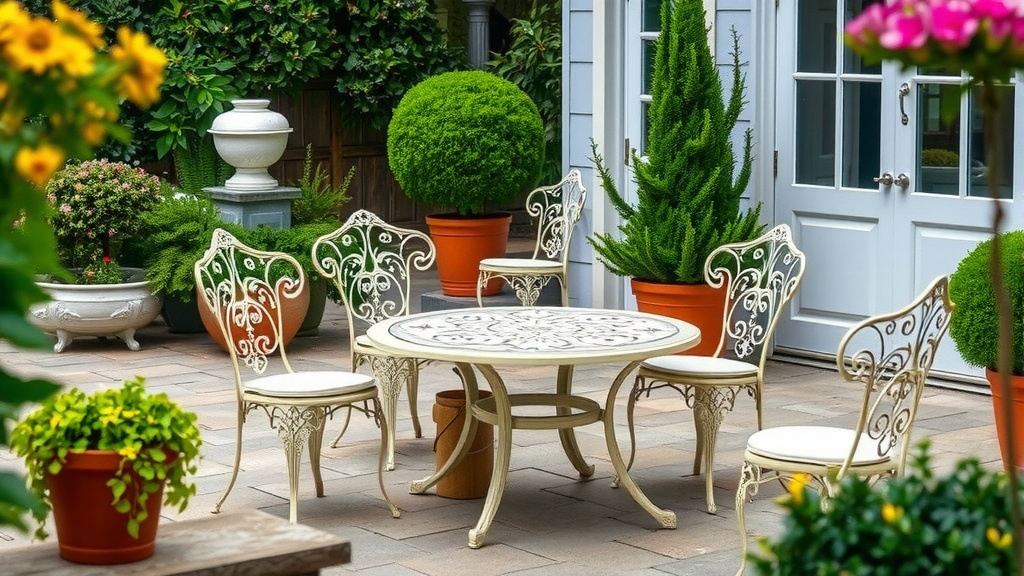
To paint cast iron patio furniture, start by thoroughly cleaning, degreasing, and removing all rust and loose paint with a wire brush or sander. Then, apply a high-quality, rust-inhibiting primer designed for metal, followed by two thin coats of exterior-grade, oil-based or epoxy paint, allowing proper drying time between each coat.
The key to a durable finish for your cast iron pieces lies in meticulous surface preparation and using products specifically formulated for outdoor metal, ensuring your furniture withstands the elements.
- Get ready to paint your cast iron patio furniture by cleaning it well and removing any rust.
- Choose the right primer and paint, specifically those made for outdoor metal and rust prevention.
- Apply several thin coats, allowing each to dry completely for a smooth, lasting finish.
- Painting offers a fresh look and protects your furniture from the weather.
- You can truly give your outdoor space a wonderful makeover with a bit of effort.
How To Paint Cast Iron Patio Furniture?
Painting your cast iron patio furniture can truly give it a new lease on life, transforming faded or rusty pieces into beautiful outdoor accents. The process involves several careful steps, from thorough cleaning to applying the final protective coats.
Why Paint Your Cast Iron Furniture?
Ever look at your patio and wish your furniture had that fresh, vibrant look again? Painting isn’t just about aesthetics; it is also a vital protective measure. A good paint job shields your cast iron from rust and further weather damage, keeping it sturdy for years.
We found that regular maintenance, including painting, significantly extends the lifespan of outdoor metal furniture. It’s like giving your furniture a personal trainer and a fresh wardrobe at the same time!
Essential Materials You’ll Need
Before you dive in, gathering all your supplies makes the job smoother. Think of it like cooking; having all your ingredients ready means less scrambling. You’ll need more than just paint.
- Wire brush or steel wool
- Sandpaper (medium to fine grit)
- Degreaser or mild detergent
- Rust converter or rust-inhibiting primer
- Exterior-grade, oil-based or epoxy paint
- Paintbrushes or a spray gun
- Drop cloths or old sheets
- Safety goggles and gloves
- Painter’s tape (optional, for accents)
Prepping Your Furniture: The Real Secret
Many experts say that preparation is 80% of any successful paint job, and with cast iron, this couldn’t be more true. Skipping steps here will lead to peeling paint and wasted effort. Don’t worry, we’ll guide you through it.
Cleaning Is Key
First things first, let’s get those pieces sparkling clean. Use a good degreaser or strong detergent with water to remove all dirt, grime, and grease. A stiff brush helps get into those intricate cast iron designs. Rinse thoroughly and let it dry completely in the sun.
Rust Removal Magic
Rust is cast iron’s arch-nemesis, right? Tackle it head-on with a wire brush, steel wool, or even a power sander for stubborn areas. You want to remove all loose and flaky rust. For deeper rust, consider a rust converter which chemically transforms rust into a paintable surface (NIST).
Smooth Sailing with Sanding
Once rust is gone, a light sanding with medium-grit sandpaper creates a rough surface, giving the primer something to really grab onto. Think of it as creating tiny anchors for your paint. Then, wipe away all dust with a tack cloth or damp rag.
Choosing the Right Paint: Primer Power!
This is where you make some key decisions. Not all paints are created equal, especially for outdoor metal. Always opt for products designed for exterior use.
Start with a high-quality, rust-inhibiting primer specifically made for metal. This first coat acts as a bond, ensuring your topcoat sticks and provides extra rust protection. Many primers come in spray cans, making application easy for detailed furniture.
For your topcoat, an oil-based enamel or epoxy paint is generally recommended for its durability and weather resistance. Acrylic latex paints can work, but often need more frequent touch-ups on metal. We found that oil-based options often provide a harder, more resistant finish.
Painting Techniques for a Flawless Finish
Now for the fun part! You’ve prepped, you’ve primed, and you’re ready to add color. Remember, patience wins the race here.
Brushing vs. Spraying: Which Is Best?
This is often a big question. Both methods have their pros and cons. Consider the size and detail of your furniture.
| Method | Pros | Cons |
|---|---|---|
| Brushing | Better control, thicker coats, less overspray | Slower, brush strokes can show, harder for intricate designs |
| Spraying (Can or Gun) | Faster, smoother finish, reaches crevices easily | More overspray, requires practice, less control, needs mask |
For highly ornate cast iron, a spray application often delivers the smoothest, most even coverage. If you brush, use a high-quality synthetic brush for oil-based paints and apply thin, even strokes.
Applying the Color Coat
Whether spraying or brushing, apply your paint in several thin, even coats rather than one thick one. This prevents drips and gives you a much tougher finish. Allow adequate drying time between coats, as indicated on the paint can. Usually, two to three coats are enough to give you a truly vibrant and protective layer.
Drying and Curing: Patience is a Virtue
After your final coat, the waiting game begins. Paint needs to dry to the touch, but it also needs to “cure,” which means it hardens completely. This can take several days, sometimes even a week or more, depending on humidity and temperature.
Avoid using or moving your furniture aggressively until the paint is fully cured. We found that rushing this step can lead to nicks, scratches, and a less durable finish. It’s like baking a cake; you wouldn’t eat it straight out of the oven, would you?
Maintaining Your Newly Painted Pieces
Congratulations, your furniture looks fantastic! To keep it that way, a little ongoing care goes a long way. Think of it as a small investment in its continued beauty.
Here’s a quick checklist to keep your painted cast iron furniture looking its best:
- Periodically wipe down with a mild soap and water.
- Inspect for any chips or scratches, and touch them up promptly.
- Store indoors or cover during harsh winter weather.
- Avoid harsh chemical cleaners that could damage the paint.
- Reapply a topcoat every few years if you notice dullness or wear.
Common Painting Mistakes to Avoid
We’ve all been there, right? A project seems simple, then things go awry. Here are a few pitfalls to steer clear of:
Don’t rush the prep work; it’s the foundation of everything. Skipping rust removal or proper cleaning almost guarantees paint failure. Also, applying paint too thickly can cause drips, uneven drying, and an unprofessional look. Many studies point to improper prep as the leading cause of paint dissatisfaction (Paint Quality Institute).
Conclusion
Painting your cast iron patio furniture is a rewarding project that combines aesthetic appeal with practical protection. By carefully following the steps — from thorough cleaning and rust removal to precise priming and painting — you can achieve a durable, beautiful finish that lasts. Your refreshed patio furniture will not only enhance your outdoor living space but also stand as a testament to your effort. Enjoy your vibrant, renewed outdoor oasis!
What kind of paint is best for cast iron patio furniture?
For cast iron patio furniture, an exterior-grade, oil-based enamel or epoxy paint is generally considered the best choice. These types of paints offer superior durability, weather resistance, and adhesion to metal surfaces, providing long-lasting protection against rust and wear.
Do I need to sand cast iron before painting?
Yes, sanding is a crucial step before painting cast iron. After cleaning and removing loose rust, light sanding with medium-grit sandpaper helps to create a slightly rough surface. This texture allows the primer and paint to adhere better, preventing peeling and ensuring a smooth, even finish.
How long does painted cast iron furniture last outdoors?
Well-painted cast iron furniture, using proper preparation and high-quality exterior paints, can last for many years outdoors, often between 5 to 10 years before needing a touch-up or repaint. Its longevity largely depends on the quality of the paint, the thoroughness of the prep work, and exposure to harsh weather conditions.
Can I paint rusty cast iron furniture directly?
No, you should never paint rusty cast iron furniture directly. Any loose or flaking rust will prevent the paint from properly adhering, leading to premature peeling and continued deterioration. All rust must be removed or treated with a rust converter before priming and painting to ensure a durable finish.
Is it better to brush or spray paint cast iron furniture?
The choice between brushing and spray painting depends on the furniture’s design and your preference. Spraying is often preferred for intricate cast iron pieces as it provides a smoother, more even coat in hard-to-reach areas. Brushing offers more control and thicker coverage, which can be better for simpler designs or if you want to minimize overspray.
