
How To Oil Teak Patio Furniture?
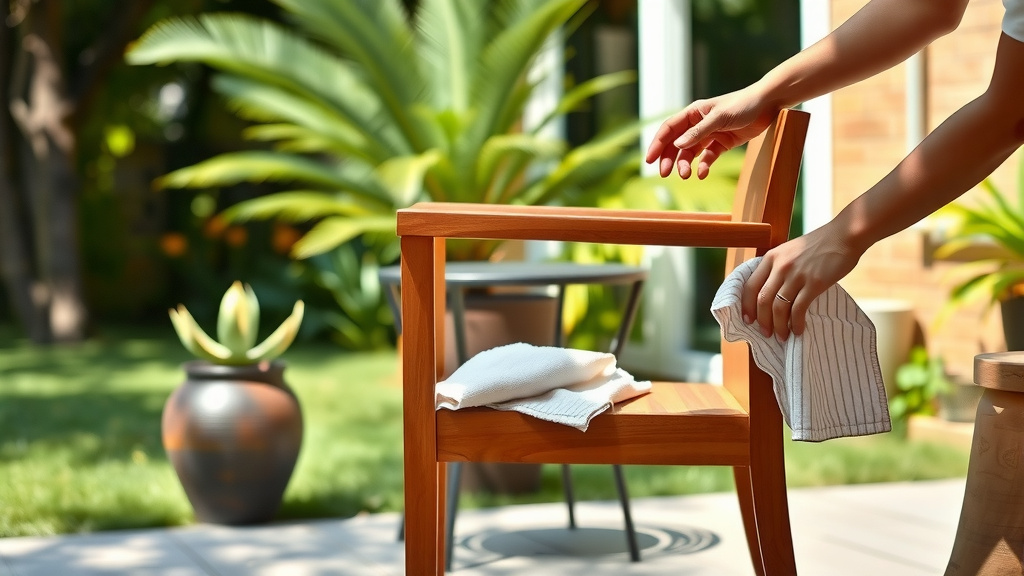
To oil teak patio furniture, first clean it thoroughly and let it dry completely. Then, apply a thin, even coat of high-quality teak oil using a soft cloth, wiping off any excess after 15-30 minutes.
You should aim to re-oil your teak patio furniture every 6-12 months, depending on your climate and how much sun exposure the furniture receives, to maintain its beautiful golden-brown color and protect the wood.
Here’s a quick summary of how to care for your teak patio furniture:
- Prep is key: Always clean your teak first and ensure it’s bone dry before oiling.
- Choose wisely: Select a high-quality teak oil for the best protection and finish.
- Apply thinly: A little oil goes a long way; too much can lead to stickiness.
- Wipe off excess: Don’t let oil sit on the surface; wipe it down for a smooth finish.
- Maintain regularly: Re-oil every 6-12 months to keep your teak looking its best.
How To Oil Teak Patio Furniture?
You oil teak patio furniture by applying a specialized teak oil product to clean, dry wood, which helps restore its natural color and adds a layer of protection against the elements. This process helps your furniture last longer and look amazing.
Why Oil Your Teak Furniture?
Teak wood naturally contains oils, making it very durable outdoors. Over time, sunlight and weather can turn its rich golden-brown to a silvery-grey patina. Oiling helps to **restore that original warm color** and protects the wood from drying out or cracking.
Many experts say that oiling also creates a barrier against spills and stains. It’s like giving your teak a **nourishing spa treatment** to keep it healthy and vibrant. We found that regular oiling makes a real difference in longevity and appearance.
Teak Oil vs. Teak Sealer: What’s The Difference?
When you protect your teak, you might see “teak oil” and “teak sealer.” They both aim to protect but work differently. Understanding this helps you **choose the right product** for your needs.
Teak oil generally enhances the natural color, while sealers aim to block the grey patina. Here’s a quick look at their main distinctions:
| Feature | Teak Oil | Teak Sealer |
|---|---|---|
| Primary Goal | Restore golden color, moisturize wood | Prevent grey patina, protect surface |
| Appearance | Enriches natural wood grain, slight sheen | Can be clear or subtly tinted, often matte |
| Maintenance | Needs reapplication every 6-12 months | Lasts 1-3 years, may require stripping before reapplication |
| Protection | Good against drying and minor stains | Stronger UV and stain protection |
Choosing the Right Teak Oil
When selecting a teak oil, look for products specifically designed for outdoor furniture. Many experts recommend **marine-grade teak oils** because they are formulated for harsh environments. These oils often contain UV inhibitors, which further protect your furniture from sun damage.
Avoid oils that contain linseed oil, as it can sometimes encourage mildew growth in damp conditions. Read labels carefully to ensure you are getting a **quality product for teak** wood.
Preparing Your Teak Furniture for Oiling
Before you even think about oiling, proper preparation is crucial. It’s like preparing a canvas before painting; a clean surface ensures the **oil absorbs evenly** and performs its best. Skipping this step can lead to patchy results or problems later on.
Cleaning Your Teak First
If your teak is dirty, grimy, or has mildew, the oil won’t penetrate well. You need to **start with a clean slate**. This involves a good scrub, removing any surface contaminants that might interfere with the oiling process.
What You’ll Need for Cleaning
Gathering your tools beforehand makes the job much smoother. You don’t want to stop mid-clean to find a missing item. Here’s a simple checklist:
- A bucket of warm water
- Mild soap (dish soap works) or a specialized teak cleaner
- Soft-bristle brush or sponge
- Clean cloths or rags
- Garden hose for rinsing
- Protective gloves
The Cleaning Process
First, rinse your teak furniture with water to loosen surface dirt. Mix your mild soap or teak cleaner with water according to product instructions. Then, apply the solution and **gently scrub the entire surface** with your brush or sponge. Don’t scrub too hard, as you could damage the wood fibers.
Pay extra attention to any stubborn spots or areas with mildew. After scrubbing, rinse the furniture thoroughly with clean water, making sure **no soap residue remains**. Let the furniture dry completely, which can take 24-48 hours depending on humidity. Make sure it’s bone-dry.
The Step-by-Step Oiling Process
Now that your teak is clean and dry, you’re ready for the main event: oiling. This is where you bring back that **rich, golden glow**. Take your time and follow these steps for the best results.
Gathering Your Supplies
Just like with cleaning, having everything ready saves time and frustration. You will need:
- Your chosen high-quality teak oil
- Several clean, lint-free cloths or foam brushes
- A small tray or container for the oil
- Protective gloves
- Drop cloths or old newspapers to protect the ground
Applying the Teak Oil
Shake the teak oil can well. Pour a small amount into your tray. Dip a clean cloth or foam brush into the oil and **apply a thin, even coat** to a small section of the furniture. Always work with the grain of the wood.
Avoid applying too much oil, as this can make the furniture feel sticky later. Less is often more. Once you’ve covered a section, wait about 15-30 minutes for the oil to penetrate the wood. During this time, the wood will “drink” the oil.
Drying and Reapplication
After the waiting period, use a separate, clean, dry cloth to **wipe off any excess oil** from the surface. If you leave too much oil on, it won’t dry properly and can become gummy or attract dirt. Buff the surface gently to ensure a smooth, even finish.
Depending on the wood’s condition and how much it absorbed, you might need a second coat. If the wood still looks dry or patchy after the first coat, apply another thin layer, repeating the 15-30 minute wait and wiping off excess. Allow the furniture to cure completely, which might take 24-72 hours, before using it.
Maintaining Your Oiled Teak
Oiling isn’t a one-and-done job; it’s a part of regular maintenance to **keep your teak in top condition**. Think of it as a seasonal ritual for your outdoor space. Consistent care helps prevent problems down the road.
How Often Should You Re-Oil?
The frequency of re-oiling depends on a few factors. If your furniture is in direct sun all day, or if you live in a very dry or humid climate, you might need to re-oil every 6 months. For furniture under a covered patio, once a year might be enough. We found that **checking your furniture seasonally** is a good practice.
Many experts suggest doing a quick “water test.” If water soaks into the wood instead of beading up, it’s probably time for another coat of oil. This simple test gives you a clear indication.
Signs Your Teak Needs Oiling
Beyond the water test, your teak furniture will show you other clues. Does it look faded or dull? Is the rich golden color starting to turn grey? These are all **visual cues that it’s thirsty** for some oil.
Sometimes the wood can even feel dry or rough to the touch. These are all natural signs that the original oils are depleting, and your **furniture needs replenishment**. Listening to your teak furniture’s needs will extend its life.
Avoiding Common Oiling Mistakes
Even with good intentions, mistakes can happen. Knowing what to watch out for can save you time and effort. Our research found that **a few common pitfalls** can ruin your oiling efforts. Here’s how to steer clear of them:
First, never oil dirty teak. The oil will seal in the dirt and grime, making it much harder to clean later. Second, do not over-apply the oil. Too much creates a sticky, uneven surface that takes ages to dry. Always wipe off excess thoroughly. Finally, ensure your furniture is completely dry before oiling. Moisture trapped under the oil can cause mildew.
Conclusion
Oiling your teak patio furniture is a rewarding process that safeguards your investment and keeps your outdoor space looking its best. By taking the time to properly clean, prepare, and oil your furniture, you’re not just applying a product; you’re **extending its life and beauty**. Remember, consistency is key in maintaining that lovely golden hue and protecting the wood from the elements. Enjoy your beautiful, well-cared-for teak!
What kind of oil is best for teak outdoor furniture?
The best oil for teak outdoor furniture is typically a high-quality, marine-grade teak oil. These oils are often specially formulated with UV inhibitors and fungicides to protect the wood from sun damage and mildew, ensuring long-lasting beauty and durability.
Can you put too much oil on teak furniture?
Yes, you can absolutely put too much oil on teak furniture. Applying too much oil will not allow it to properly penetrate the wood, leading to a sticky, gummy surface that can attract dirt and dust. Always wipe off excess oil thoroughly after application.
How long does teak oil last on outdoor furniture?
Teak oil typically lasts between 6 to 12 months on outdoor furniture, depending on environmental factors like direct sunlight exposure, humidity, and rainfall. Regular inspection and re-oiling are necessary to maintain its protective qualities.
Should you sand teak before oiling?
You generally do not need to sand teak before every oiling. However, if your teak furniture is heavily weathered, has deep stains, or feels rough, a light sanding (with fine-grit sandpaper) can help create a smooth surface for better oil absorption. Always clean the dust off thoroughly after sanding.
What happens if you don’t oil teak furniture?
If you choose not to oil your teak furniture, it will naturally weather to a soft, silvery-grey patina over time. While this look is desired by some, the wood may become more susceptible to drying out, developing minor cracks, and losing its resistance to stains without the additional protection of oil.
