
How To Keep Patio Furniture From Moving?
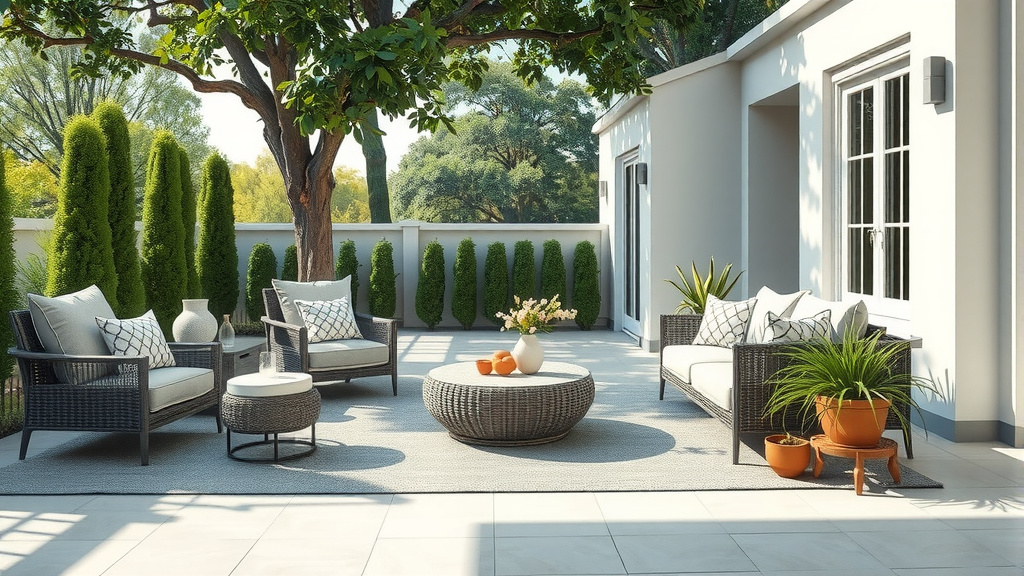
To keep patio furniture from moving, you can effectively add weight to lighter pieces using sand or water, or securely anchor them with specialized furniture straps and ground stakes.
Positioning your furniture thoughtfully in less exposed areas and employing anti-slip pads are also excellent ways to prevent unwanted sliding and shifting, maintaining a stable outdoor setup.
TL;DR: Keep your patio furniture still and safe with these quick tips:
- Add internal weights like sand or water to hollow furniture frames for stability.
- Connect multiple furniture pieces using specific clips to create a unified, heavier unit.
- Anchor individual items to the ground or deck with straps, bungees, or stakes.
- Choose naturally heavier furniture materials like wrought iron or solid wood.
- Place furniture in sheltered spots to minimize wind exposure.
You know the feeling, right? That sudden gust of wind that sends your favorite patio chair skittering across the deck. It’s frustrating, and sometimes, a little scary! We’ve all been there, watching our beautiful outdoor oasis turn into a windy obstacle course. But don’t worry, there are some great ways to keep your outdoor pieces right where they belong, keeping your space safe and inviting.
Keeping patio furniture from moving is not just about tidiness; it’s about safety. A runaway chair can cause damage or even injuries. Thankfully, a few smart strategies can make a big difference, giving you peace of mind and a more enjoyable outdoor area.
How To Keep Patio Furniture From Moving?
To stop your patio furniture from moving, you can increase its weight or anchor it securely to the ground. These methods provide the stability needed to withstand wind and daily use, making your outdoor area much safer.
Adding Weight for Stability
One of the simplest and most effective ways to keep furniture stationary is to make it heavier. Lighter pieces are often the first to take flight during a strong breeze. By adding extra mass, you give them a solid foundation.
Water and Sand Weights
Many patio furniture bases, especially for umbrellas, are designed to be filled. Water is convenient but can be messy if a leak occurs. Sand is heavier and more permanent, offering superior stability (Many outdoor living experts suggest sand for maximum weight).
You can also use sandbags or specialized weights designed to sit on or around the base of chairs and tables. We found that these external weights are a straightforward fix for pieces that cannot be filled internally, providing a quick stability boost.
Internal Weight Bags
For hollow furniture legs or frames, you can find small gravel or sand-filled bags that fit inside. This method keeps the added weight hidden, maintaining the look of your furniture. It’s a discreet way to add necessary heft without altering aesthetics.
Securing Furniture to the Ground
Beyond adding weight, physically attaching your furniture to a fixed point is another very reliable solution. This is especially useful for larger pieces or in areas prone to strong winds.
Furniture Anchors and Straps
Specialized anchors can be drilled into decks or patios to provide tie-down points. You then use straps or bungee cords to secure your furniture. Research often connects proper anchoring with preventing damage during severe weather conditions.
For grass or soft ground, ground stakes or corkscrew anchors work wonders. These can hold down umbrellas, gazebos, and lighter chairs effectively. They are a temporary yet strong solution for variable conditions.
Interlocking Furniture Clips
If you have sectional sofas or multiple chairs that sit together, furniture clips are a game-changer. These small connectors link the pieces, turning several light items into one heavier, more stable unit. We found that this approach works great for creating cohesive setups.
Smart Furniture Placement and Design Choices
Sometimes, simply where you put your furniture can make a big difference. Thinking about wind patterns and furniture design can solve many problems before they start, giving you a natural advantage.
Strategic Layout
Consider placing lighter furniture against a wall, fence, or even close to heavier items. These barriers can block wind, reducing its impact. Many design guidelines point to creating “wind shadows” as a good first step (Outdoor Design Guide).
Wind Barriers
Adding a screen, trellis, or even tall, dense plants can act as a natural windbreak. This doesn’t just protect your furniture; it also creates a cozier, more private outdoor space. It’s a win-win for both style and stability.
Choosing Heavier Materials
When you’re buying new patio furniture, material choice plays a big role. Wrought iron, solid wood, and recycled plastic lumber are naturally heavier than aluminum or wicker. Investing in robust materials means less worry about movement, saving you effort later, providing lasting peace of mind.
Anti-Slip Solutions for Hard Surfaces
Even without wind, furniture can slide on smooth surfaces like tile or polished concrete. Anti-slip additions can keep things exactly where you put them, stopping any unwanted creeping or scratching, making your patio more secure.
Rubber Feet and Pads
Many experts say adding rubber caps or pads to furniture legs is a simple yet effective solution. These increase friction with the ground, preventing sliding. They also protect your patio surface from scratches, a nice bonus benefit.
For rugs under your furniture, a non-slip rug pad can make a huge difference. This keeps the rug from shifting, and by extension, helps the furniture on top stay put, creating a more stable arrangement.
Temporary Solutions and Storage
Sometimes, the best solution is to simply move or secure furniture when severe weather hits. Having a plan for these moments can prevent damage and keep your patio looking great, reflecting responsible ownership.
Quick Tie-Downs
For sudden strong winds, have some rope or bungee cords handy. You can quickly tie down lighter chairs or tables to a railing, a heavy planter, or even each other. This is a great short-term fix to prevent unexpected mishaps.
Storing During Extreme Weather
When a big storm is coming, the safest option is often to bring lighter furniture indoors or into a shed. If that’s not possible, stack chairs and group items closely together. Laying down tables can also reduce the surface area for wind to catch, a practice many homeowners find extremely helpful.
Comparing Furniture Anchoring Methods
Here’s a quick look at common anchoring methods and what they offer:
| Method | Best For | Pros | Cons |
|---|---|---|---|
| Ground Stakes/Augers | Grass, soil | Strong, portable, easy setup | Less effective on hard surfaces |
| Deck/Patio Anchors | Wood decks, concrete patios | Very secure, permanent | Requires drilling, fixed location |
| Furniture Straps/Bungees | Various surfaces | Flexible, removable, versatile | Can be visible, requires anchor point |
| Furniture Clips | Sectional sofas | Hidden, joins pieces, clean look | Only for connecting furniture |
Your Patio Stability Checklist
Before you kick back and relax, run through this quick checklist to ensure your patio furniture is secure:
- Are all lightweight items weighted down or anchored?
- Have you connected any sectional pieces with clips?
- Are anti-slip pads on furniture legs that sit on smooth surfaces?
- Is any particularly exposed furniture moved to a sheltered spot?
- Do you have a plan for securing furniture during high winds?
- Are umbrella bases filled and secure, not wobbling?
Conclusion
Keeping your patio furniture from moving doesn’t have to be a constant battle. By applying a combination of these practical strategies—whether it’s adding simple weights, using secure anchors, or making smart placement choices—you can enjoy a more stable and worry-free outdoor space.
You’ll find that a little preparation goes a long way, ensuring your patio remains an inviting haven, even when Mother Nature decides to stir things up. Enjoy your outdoor living with confidence and comfort, knowing your furniture is right where it should be.
Are there specific furniture types more prone to moving?
Yes, lightweight materials like aluminum, plastic, or hollow wicker frames are most prone to moving in windy conditions. Smaller accent tables and dining chairs without significant mass are also common culprits.
Can weather conditions affect the effectiveness of anchors?
Absolutely. Extreme weather like heavy rain can soften soil, potentially loosening ground stakes. Freezing and thawing cycles can also affect concrete anchors. Always check your anchors after severe weather events.
Is it better to weigh down or anchor patio furniture?
It often depends on the furniture and your specific needs. Weighing down is great for general stability and light breezes. Anchoring offers superior security against strong winds or theft. Many experts suggest combining both methods for optimal protection.
How can I make my patio umbrella more secure?
For patio umbrellas, use a heavy base filled with sand or concrete, ensuring it’s appropriately sized for your umbrella’s canopy. An in-ground sleeve provides even more stability. You can also use tie-down straps to secure the umbrella to a railing or post when not in use.
What if my patio furniture is already heavy but still slides?
If heavy furniture still slides, the issue is likely friction with the ground. Add rubber or silicone anti-slip pads to the bottom of the furniture legs. For furniture on outdoor rugs, use a non-slip rug pad underneath to prevent both the rug and the furniture from shifting.
