
How To Identify Wrought Iron Patio Furniture?
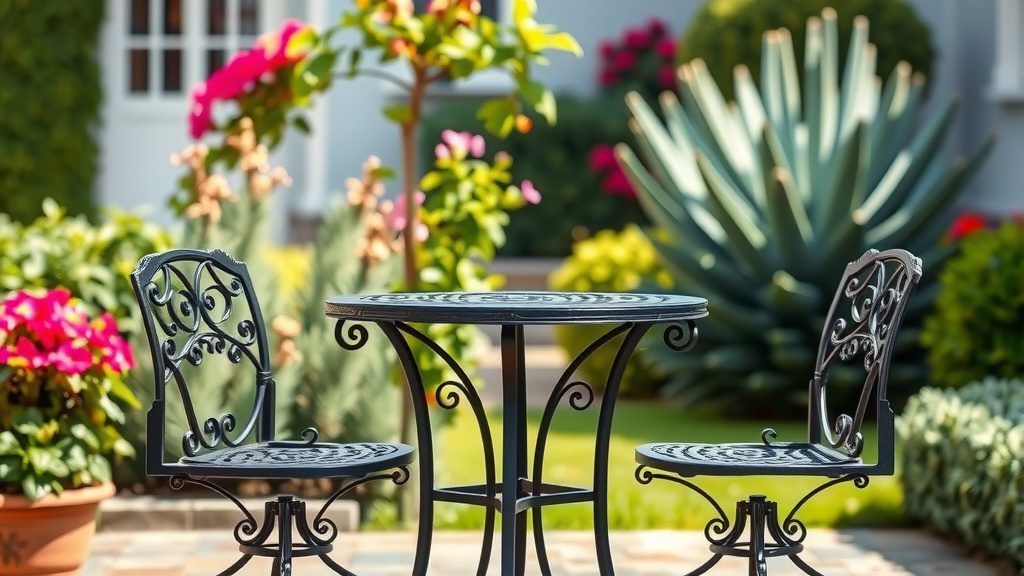
You can identify wrought iron patio furniture by its heavy weight, solid construction, and often hand-forged scrollwork, which distinguishes it from hollow aluminum or tubular steel.
Look for signs of welding seams, rust potential, and a magnetic attraction to confirm if the furniture is authentic wrought iron.
- Wrought iron is exceptionally heavy and solid.
- It often features unique, hand-forged designs and welds.
- Wrought iron is magnetic and prone to rust if not maintained.
- It feels cold and hard, unlike lighter, hollow metals.
- Checking for a magnetic pull is a quick way to confirm.
How To Identify Wrought Iron Patio Furniture?
To identify wrought iron patio furniture, focus on its substantial weight and the solid feel of the metal. You will notice intricate, often imperfect, hand-crafted details that set it apart.
Why Does It Matter So Much?
Knowing if you have wrought iron is a big deal, right? It impacts its value, durability, and how you care for it. You might think all heavy patio furniture is the same, but different metals have different needs.
Imagine buying something for your outdoor oasis only to find it’s not what you expected. We understand that feeling. Getting it right from the start saves you time and money in the long run.
The Weight Test: A True Tell
When you first encounter a piece, simply try to lift it. Wrought iron is incredibly heavy. It’s one of the easiest ways to spot it.
This isn’t just “heavy for furniture”; it’s dense and substantial. You might even need help moving a single chair. It feels grounded, almost like it’s part of the earth (research often connects density with material strength, like found in basic metallurgy guides).
Feel the Difference
Touch the metal. Wrought iron feels solid and cold to the touch, not hollow or tinny. You won’t find any flex or give in its frame, which speaks to its robust construction.
It has a reassuring presence. This solidness is a key characteristic that sets it apart from lighter, cheaper alternatives that might look similar from a distance.
Magnetic Attraction: Your Secret Weapon
Here’s a fun and accurate trick: grab a magnet. Does it stick firmly? If so, you’re very likely looking at wrought iron. This metal has high ferrous content, making it strongly magnetic.
Most common alternatives, like aluminum, are not magnetic. This simple test can instantly narrow down your options and give you a clear answer (many experts say a strong magnetic pull is a reliable indicator for ferrous metals).
A Quick Check
Keep a small fridge magnet in your pocket when furniture shopping. It’s like having a superpower! Just hold it against a hidden part of the frame. If it clings, you’ve got a strong contender for authentic wrought iron.
Inspect the Craftsmanship
Wrought iron, by its nature, is worked by hand. “Wrought” actually means “worked” or “forged.” This means no two pieces are exactly identical. You’ll see variations that tell a story.
Look for signs of human touch, not perfect machine-made uniformity. This imperfection is often its greatest beauty and a sign of authenticity.
Look for Welds and Joints
Examine where the pieces connect. True wrought iron often features visible, though neatly finished, welds. You might also spot rivets or collared joints that speak to its traditional construction methods.
Modern pieces might have smoother welds, but still look for that hand-assembled feel. Contrast this with cast aluminum, which often looks like one continuous molded piece with no visible seams.
Design Details and Scrolls
Wrought iron is famous for its ornate, flowing scrollwork and decorative elements. These curves are often individually bent and shaped, giving them a unique, almost artistic quality.
Can you see slight differences in the scrolls? Are they solid all the way through? These details are a hallmark of genuine wrought iron and its distinctive aesthetic.
Rust and Patina: Signs of Age
Authentic wrought iron contains iron, so it will rust if its protective finish is compromised. Don’t be alarmed by a little surface rust; it’s a natural process for this metal.
A reddish-brown patina developing over time can actually be quite beautiful and a sign of age. This natural oxidation is a key indicator, though it can be prevented with proper care (NIH research shows iron’s natural reaction to oxygen and moisture).
What About Powder Coating?
Many modern wrought iron pieces are powder-coated. This protective layer prevents rust and comes in many colors. If it’s intact, you won’t see rust. If it’s chipped, however, you might notice small spots of rust peeking through.
Don’t let a perfect finish fool you; the underlying metal is what counts. A good powder coat protects the iron, but the rust potential is always there if that barrier is breached.
The Sound Test: Tap and Listen
Give a hidden part of the furniture a gentle tap with a metal object or even your knuckle. Wrought iron will produce a solid, low-pitched “thud” or a dull “clink.”
It won’t have the high-pitched “ping” or hollow sound you might hear from lighter, thinner metals like aluminum or tubular steel. This sound is another clue to its density and construction.
Comparing Wrought Iron to Other Metals
It helps to know what wrought iron is *not*. Here’s a quick comparison to common patio furniture materials. Understanding these differences will make your identification process much simpler.
| Feature | Wrought Iron | Aluminum | Cast Iron | Tubular Steel |
|---|---|---|---|---|
| Weight | Very Heavy | Lightweight | Heavy & Brittle | Medium to Heavy |
| Magnetism | Strongly Magnetic | Non-Magnetic | Magnetic | Magnetic |
| Construction | Forged, Welded, Solid | Molded, Hollow or Solid | Cast in Molds | Hollow Tubes |
| Rust Potential | High (if untreated) | Very Low | High (if untreated) | High (if untreated) |
| Appearance | Ornate, Hand-worked | Smooth, Modern | Heavy, often rustic | Simple, utilitarian |
Quick Checklist for Wrought Iron Identification
Ready to put your detective skills to the test? Use this handy checklist next time you’re eyeing a piece of patio furniture.
- Is it unusually heavy for its size?
- Does a magnet stick firmly to it?
- Can you see visible welds or hand-forged details?
- Does it feel solid, not hollow, when tapped?
- Are there any small rust spots, especially in worn areas?
- Does it feature intricate, flowing scrollwork designs?
Conclusion
Identifying wrought iron patio furniture truly comes down to a few key senses: sight, touch, and even sound. You’re looking for that unmistakable heft, the strong magnetic pull, and the signs of careful hand-craftsmanship.
Remember, authentic wrought iron brings a timeless strength and character to any outdoor space. By using these practical tips, you can confidently distinguish genuine pieces and make sure you’re investing in furniture that will last for years to come.
Is wrought iron patio furniture expensive?
Yes, wrought iron patio furniture is typically more expensive than pieces made from aluminum or plastic. Its higher cost reflects the material’s durability, the labor-intensive forging process, and its long lifespan, offering a significant investment for your outdoor space.
How do you maintain wrought iron furniture?
Maintaining wrought iron furniture involves regular cleaning with mild soap and water, inspecting for chips in the finish, and touching up any rust spots with rust-inhibiting primer and paint. Many experts recommend yearly waxing for added protection, especially if it stays outdoors (Mayo Clinic suggests similar rust prevention for metal items).
Can wrought iron furniture stay outside all year?
Wrought iron furniture can stay outside all year, especially if it’s properly maintained and protected with a quality finish like powder coating. However, covering it during harsh weather or extreme temperatures will extend its life and preserve its appearance significantly.
What is the lifespan of wrought iron patio furniture?
With proper care and maintenance, wrought iron patio furniture can last for decades, often 50 years or even longer. Its inherent strength and ability to be refinished contribute to its exceptional longevity, making it a generational item.
Is vintage wrought iron furniture valuable?
Vintage wrought iron furniture can certainly be valuable, especially pieces with unique designs, historical significance, or those from reputable manufacturers. Its value depends on its condition, rarity, and current demand among collectors and designers.
