
How To Fix Faux Wicker Patio Furniture?
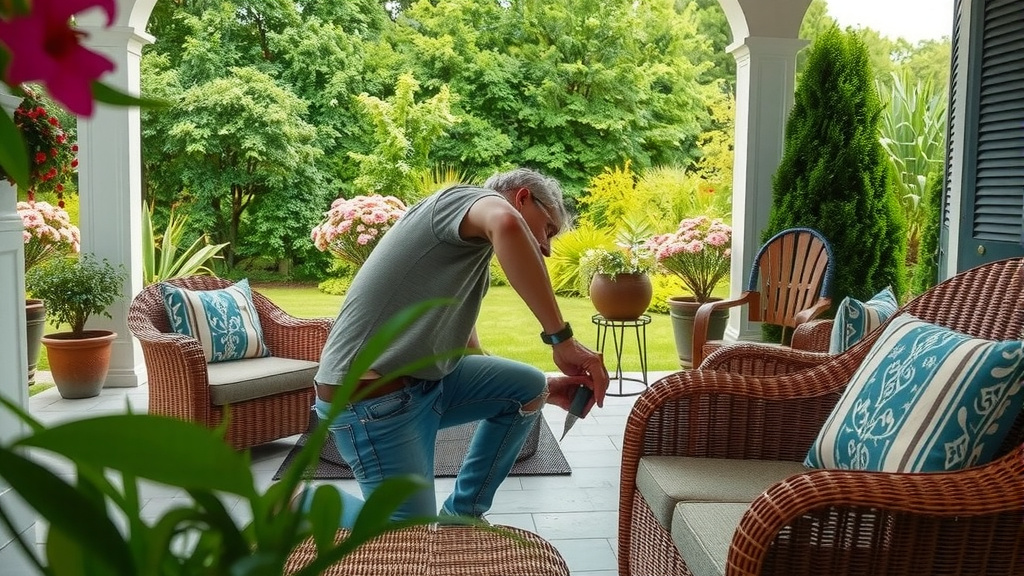
Fixing faux wicker patio furniture involves common issues like unraveling strands, small cracks, and fading. You can often make these repairs at home with the right tools and a little patience.
Most repairs for your faux wicker pieces can be handled with simple DIY methods, focusing on reweaving, patching, or repainting to restore their appearance and function.
- You can mend unraveling faux wicker strands by reweaving them carefully.
- Small cracks or holes are often fixable using a plastic repair kit or specialized adhesive.
- Faded colors can be refreshed with outdoor-grade spray paint designed for plastics.
- Regular cleaning and preventative measures help extend the life of your furniture.
- Always choose repair materials that are suitable for outdoor, UV-resistant plastics.
How To Fix Faux Wicker Patio Furniture?
Repairing your faux wicker patio furniture is surprisingly manageable, often needing just a few tools and some dedication. You can typically address common problems like unraveling, cracks, and color fading right in your backyard.
Understanding Faux Wicker Damage
Faux wicker, also known as resin wicker, is a popular choice for outdoor furniture. It’s made from synthetic materials, usually polyethylene, designed to mimic natural wicker. While durable, it’s not immune to wear and tear.
You might notice issues like strands becoming loose, cracking from sun exposure, or the color fading over time. Knowing the type of damage helps you choose the correct repair method. Is it a loose strand or a full crack? That makes a big difference.
Common Types of Faux Wicker Damage
When you inspect your furniture, look for specific signs of wear. You’ll often find these issues appearing after a few seasons outside. Recognizing them quickly can prevent bigger problems later.
- Loose or Unraveling Strands
- Small Cracks or Splits
- Punctures or Holes
- Sun Fading or Discoloration
- Sagging Seats (less common for wicker itself, more for frames)
Gathering Your Repair Tools and Materials
Before you begin any repairs, you’ll want to gather everything you need. Having all your supplies ready saves time and makes the process much smoother. You wouldn’t start baking without all your ingredients, right?
Many experts suggest preparing your workspace too (Patio Living Guides). This means a clean, flat area where you can work comfortably.
Essential Tools You’ll Need
You might already own some of these items. No need to buy an entire workshop for a few small fixes. You are trying to make your patio furniture last longer, not build a new one.
| Damage Type | Recommended Tools/Materials | Description |
|---|---|---|
| Unraveling Strands | Replacement wicker, strong outdoor adhesive, scissors, clips | For reweaving or patching loose segments. |
| Cracks/Holes | Plastic repair kit, epoxy, sandpaper, filler | To mend larger breaks in the material. |
| Fading Color | Outdoor-grade spray paint, primer, painter’s tape | For refreshing the original look. |
| General Maintenance | Mild soap, soft brush, garden hose | For regular cleaning to prevent damage. |
Step-by-Step Faux Wicker Repair Guide
Let’s dive into fixing those pieces. Remember, patience is your best tool here. Take your time, and you’ll be amazed at the results. You’re giving your outdoor oasis a new lease on life.
Repairing Loose or Unraveling Strands
This is a very common issue, especially on furniture edges. Sometimes a simple reweaving is all that’s needed. Think of it like a loose thread on a sweater; you want to tuck it back in.
If the strand is just loose, try to weave it back into its original pattern. If it’s broken, you might need a new piece. We often found that a little outdoor-grade adhesive can secure the end of a rewoven strand (Outdoor Furniture Care manuals).
Patching Cracks and Holes
Cracks can appear from sun exposure or accidental impacts. You might see a small split or a larger hole. Addressing these quickly helps maintain the furniture’s structural integrity.
For small cracks, you can use a plastic repair kit designed for outdoor use. Many experts suggest using a strong epoxy meant for plastics. Apply it carefully, let it cure, then lightly sand any rough edges to create a smooth finish. For larger holes, you might need to cut a patch from spare faux wicker or plastic sheeting and bond it into place.
Restoring Faded Color
Sun exposure is tough on everything outdoors, and faux wicker is no exception. Fading is natural, but you don’t have to live with dull-looking furniture. You can bring back that vibrant color.
Clean the furniture thoroughly first. Then, apply a primer suitable for plastics. Once dry, use an outdoor-grade spray paint specifically made for plastic furniture. We’ve found that several light coats give a better finish than one thick coat (DIY home improvement blogs).
Maintaining Your Faux Wicker Furniture
Once you’ve repaired your furniture, keeping it in good shape is key. Prevention is always easier than repair, wouldn’t you agree? A little effort now saves a lot of work later.
Tips for Long-Term Care
You want your patio pieces to last for many seasons. Simple habits can extend their life significantly. Think of it as a small investment in your relaxation time.
- Clean Regularly: Wash your furniture with mild soap and water every few months.
- Protect from Sun: Use furniture covers during harsh sun or off-season storage.
- Avoid Harsh Chemicals: Stick to mild cleaners to avoid damaging the resin.
- Store Properly: If possible, store furniture indoors during extreme weather.
- Check for Damage: Periodically inspect for loose strands or cracks to catch them early.
When to Seek Professional Help
Sometimes, a repair might be beyond a DIY fix. If you have extensive structural damage or don’t feel comfortable tackling a complex repair, professional help is an option. You might save time and frustration in the long run.
Many local furniture repair shops or outdoor living specialists can offer services. They have specialized tools and materials that might not be available to the average homeowner. It’s always okay to ask for help when you need it.
Conclusion
Fixing your faux wicker patio furniture doesn’t have to be a daunting task. With some common tools and a bit of determination, you can tackle most issues like unraveling strands, cracks, and fading colors. You’re not just repairing furniture; you’re preserving your outdoor sanctuary.
Regular maintenance and quick action on small damages are your best defense against bigger problems. Your commitment to care will ensure your beautiful faux wicker pieces continue to provide comfort and style for years to come. Enjoy your refreshed patio!
Can you paint faux wicker patio furniture?
Yes, you absolutely can paint faux wicker patio furniture. It’s an excellent way to refresh faded colors or even change the look entirely. Just be sure to use outdoor-grade spray paint specifically designed for plastics or resin to ensure durability and proper adhesion.
How do you prevent faux wicker from unraveling?
Preventing faux wicker from unraveling often comes down to careful handling and placement. Avoid dragging furniture, which can snag strands. Also, inspect your furniture regularly for any loose ends and secure them with a dab of outdoor adhesive before they can unravel further.
What is the best glue for faux wicker?
The best glue for faux wicker is typically a strong, flexible, and waterproof outdoor adhesive or epoxy designed for plastics. Look for products that specifically mention bonding polyethylene or polypropylene, as these are common materials for faux wicker.
How do you clean faux wicker patio furniture?
Cleaning faux wicker patio furniture is straightforward. Use a mild soap, like dish soap, mixed with water. Apply it with a soft brush or cloth, gently scrubbing away dirt. Rinse thoroughly with a garden hose, ensuring no soap residue remains, then let it air dry.
Is it worth repairing faux wicker furniture?
It is definitely worth repairing faux wicker furniture, especially for minor damages. Faux wicker is a durable and often costly material, so a few small repairs can significantly extend its lifespan and save you money compared to buying new pieces. Consider the extent of the damage versus the cost of replacement.
