
How Long Does Aluminum Patio Furniture Last?
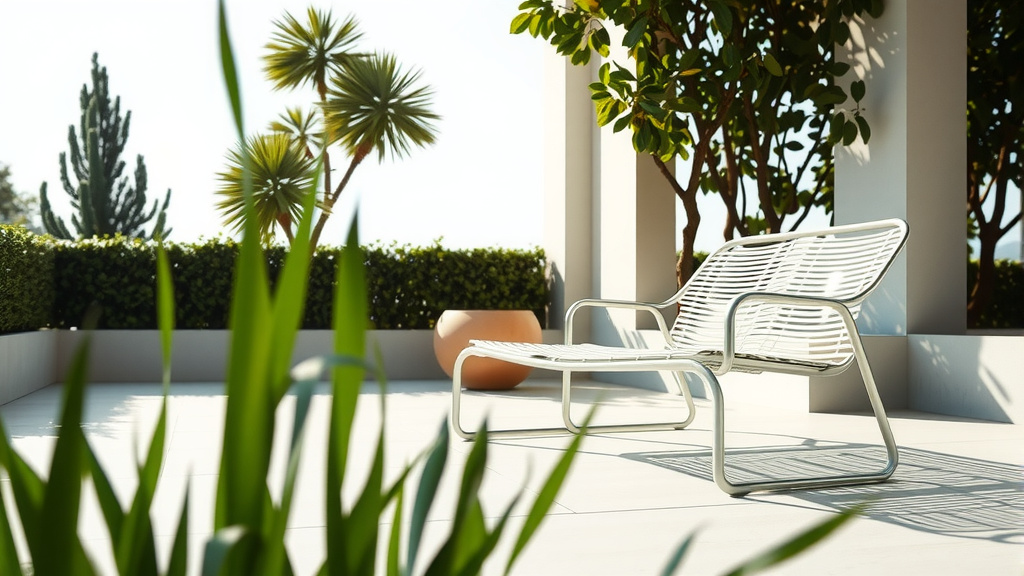
Aluminum patio furniture can reliably last 15-20 years, and often much longer, depending on its quality and how you care for it. This popular choice for outdoor living is known for its impressive longevity, especially when properly maintained.
Its inherent resistance to rust and light weight are key reasons it remains a favorite for enduring various weather conditions.
Here’s a quick look at what you will discover about aluminum patio furniture:
- Most aluminum patio furniture lasts 15-20 years.
- High-quality aluminum furniture can last over 25 years with good care.
- Factors like climate, usage, and maintenance directly impact its lifespan.
- It is naturally rust-resistant, making it ideal for outdoor use.
- Simple cleaning and occasional touch-ups can significantly extend its life.
How Long Does Aluminum Patio Furniture Last?
Aluminum patio furniture typically lasts 15 to 20 years, making it a truly long-term investment for your outdoor space. With proper care, many pieces can easily exceed that timeframe, sometimes even reaching 25 years or more.
Understanding Aluminum’s Lifespan Outdoors
Think of aluminum patio furniture as a sturdy marathon runner, not a sprinter. It is built for endurance. Its natural properties make it highly resilient against the elements that typically wear down other materials.
The Core Strength: Rust Resistance
One of aluminum’s biggest advantages is its superb resistance to rust. Unlike iron or steel, aluminum forms a protective oxide layer when exposed to air, which prevents corrosion from spreading. This natural shield is why it thrives outdoors, even in humid climates (research indicates this mechanism is very effective).
| Material Type | Typical Lifespan | Key Advantage |
|---|---|---|
| Aluminum | 15-20+ years | Rust-proof, Lightweight |
| Wrought Iron | 10-15 years | Heavy, Durable (prone to rust) |
| Wood (Teak) | 15-25 years | Natural Look, Weather-resistant (needs oiling) |
| Plastic/Resin | 5-10 years | Affordable, Low maintenance (less durable) |
What Factors Affect Aluminum Furniture’s Lifespan?
While aluminum is tough, a few things can influence just how long your furniture truly lasts. It is like owning a car; how you drive it and care for it affects its longevity, right? The same goes for your patio set.
Quality of the Aluminum
Not all aluminum is created equal. Higher-quality furniture often uses thicker gauge aluminum and better welding techniques. This means stronger joints and frames, which naturally hold up longer against daily use and stresses.
Type of Finish or Coating
Most aluminum furniture has a powder-coated finish. This finish is not just for looks; it adds an extra layer of protection against scratches, fading, and minor abrasions. A well-applied, durable powder coat can significantly extend the furniture’s aesthetic and structural life.
Climate and Exposure to Elements
Even rust-resistant aluminum can experience wear from harsh climates. Constant exposure to intense UV rays can fade finishes, and frequent salty air (like near the ocean) might eventually compromise coatings. Extreme temperature swings also put stress on materials, potentially shortening its overall usable life.
Usage and Wear-and-Tear
Are you using your patio set daily for family meals, or is it more for occasional relaxation? Furniture that sees heavy use will naturally experience more wear. Think about restaurant patio sets versus your backyard chairs; the difference in usage directly impacts their lifespan.
Simple Ways to Extend Your Aluminum Furniture’s Life
The good news is, you have a lot of control over how long your aluminum furniture sticks around. A little care goes a long way, much like watering your garden ensures it blooms year after year.
Regular Cleaning: Gently wipe down your furniture weekly with mild soap and water. This removes dirt and grime that can trap moisture or scratch surfaces.
Seasonal Storage or Covers: During off-seasons or severe weather, consider covering your furniture or storing it indoors. This protects it from extreme cold, intense sun, or heavy storms.
Touch-Up Scratches: If the protective finish gets scratched, touch it up with a compatible paint or a touch-up pen. This prevents any exposed aluminum from beginning to oxidize differently.
Check Fasteners: Periodically tighten any bolts or screws. Loose connections can put undue stress on the frame and lead to instability over time, making your furniture feel wobbly.
Avoid Harsh Chemicals: Stick to mild cleaners. Abrasive cleaners or harsh chemicals can strip away the protective finish, leaving the aluminum more vulnerable. Many cleaning guides point to mild dish soap as a good option (Cleaning Institute).
The Power of a Good Cover
Using furniture covers is like giving your patio set its own personal raincoat and sunscreen. It shields against UV damage, rain, pollen, and even bird droppings, keeping your furniture looking newer for longer. It is a small investment that offers big returns in longevity.
When is it Time to Replace Your Aluminum Patio Furniture?
Even the most durable items eventually reach their limit. How do you know when it is time to say goodbye to your trusty aluminum pieces? It is not always about rust, as we found that aluminum resists that so well.
Signs of Structural Integrity Issues
Look for major dents, bends in the frame, or significant wobbling that cannot be fixed by tightening bolts. If the frame is bent or cracked, especially in stress points, the furniture may become unsafe. Your safety is always the priority (Consumer Product Safety Commission).
Significant Aesthetic Degradation
While fading can be charming, widespread peeling paint, deep scratches that expose the metal, or irreparable discoloration might mean it is time for an upgrade. If the furniture no longer brings you joy or detracts from your outdoor space, it might be time to consider a refresh. Sometimes, a new look breathes new life into your patio.
Repair Costs Outweigh Replacement
If repairs become expensive or difficult to source, a new set often makes more financial sense. For example, if you need to replace multiple broken slats or a severely damaged frame, comparing that cost to a brand-new set can help you decide. We found that value often balances out over time.
Checklist for Replacement Readiness
- Is the frame significantly bent or cracked?
- Does the furniture wobble severely even after tightening?
- Is the finish peeling extensively, beyond simple touch-ups?
- Are repair parts unavailable or too costly?
- Does the furniture no longer meet your aesthetic or comfort needs?
- Has the furniture simply seen better days and looks tired?
Conclusion
Aluminum patio furniture stands out as a smart, long-lasting investment for your outdoor space. With its natural rust resistance and lightweight durability, you can expect your pieces to comfortably last 15-20 years, often much longer. Remember, a little ongoing care, like regular cleaning and covering, will keep your aluminum furniture looking fantastic and ready for countless sunny days and starry nights. It is an investment that truly pays off in years of outdoor enjoyment.
How do I clean my aluminum patio furniture?
Cleaning aluminum patio furniture is straightforward. Mix mild dish soap with warm water, then wipe down the frames with a soft cloth or sponge. Rinse thoroughly with clear water to remove any soap residue and let it air dry. Avoid abrasive cleaners or harsh chemicals that could damage the finish.
Does aluminum patio furniture rust in the rain?
No, aluminum patio furniture does not rust. Aluminum naturally forms a protective oxide layer when exposed to air and moisture, which prevents the kind of red, flaky rust seen on iron or steel. This makes it an ideal choice for humid or rainy climates.
Can aluminum patio furniture be left outside all year?
While aluminum furniture is weather-resistant and can typically be left outside year-round, its lifespan and appearance will benefit significantly from seasonal care. Covering it during harsh weather, heavy snow, or intense sun exposure can prevent fading and prolong its overall durability.
Is painted aluminum furniture less durable?
Not necessarily. Most aluminum patio furniture is powder-coated, which is a very durable and protective finish. A high-quality powder coat actually adds an extra layer of protection against scratches and UV damage. Poorly applied or low-quality paint, however, might chip or fade more quickly.
How does salt air affect aluminum patio furniture?
Salt air, common in coastal regions, can be tougher on any outdoor furniture finish. While aluminum itself won’t rust, the powder coat finish can eventually become dull or experience minor pitting over many years of continuous exposure to salt spray. Regular rinsing with fresh water can help minimize this effect and keep the finish looking better.
