
Does Cast Aluminum Patio Furniture Rust?
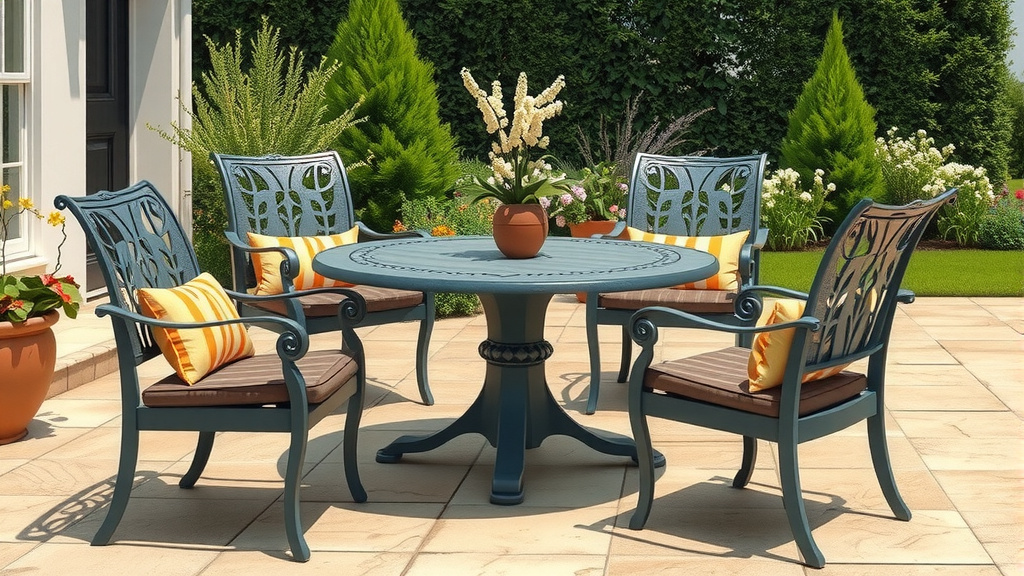
No, cast aluminum patio furniture does not rust because it lacks iron, the primary metal that oxidizes to form rust.
Instead, cast aluminum forms a natural, protective oxide layer on its surface, effectively preventing the type of corrosion we call rust.
- Cast aluminum furniture absolutely will not rust, ever.
- Rust is a specific type of corrosion that only affects iron and steel.
- Aluminum develops a thin, protective oxide layer that prevents further deterioration.
- While it won’t rust, cast aluminum can still corrode under certain conditions, appearing as pitting or a whitish powder.
- Proper care and occasional cleaning are still important to maintain its appearance and longevity.
Does Cast Aluminum Patio Furniture Rust?
No, cast aluminum patio furniture does not rust because it is an iron-free metal. Rust is a specific type of corrosion that only affects iron or iron alloys.
You might be wondering if your beautiful outdoor set will turn into a flaky, reddish mess. Good news: with cast aluminum, that’s just not going to happen!
We often hear this question from folks looking for durable, low-maintenance patio solutions. It’s a smart question to ask before investing in outdoor furniture.
What is Rust, Anyway?
Think of rust as the common cold for iron. It’s a specific chemical reaction called oxidation that happens when iron or steel comes into contact with oxygen and water.
This process creates that familiar reddish-brown, flaky material we call rust. It weakens the metal over time, eventually causing it to crumble.
Rust truly is an iron-specific problem. If there’s no iron present, there’s no rust to worry about. Simple as that!
Why Aluminum Doesn’t Rust
Aluminum is a different beast entirely. It simply doesn’t contain the iron necessary for rust to form.
It’s like asking if a fish can climb a tree – it’s just not built for it. Aluminum has its own unique chemical makeup.
Many experts confirm that aluminum furniture offers superior rust resistance due to its inherent properties (National Institute of Standards and Technology).
Understanding Aluminum’s Natural Protection
When aluminum is exposed to air, it immediately forms a very thin, dense layer of aluminum oxide on its surface. This layer is actually quite tough.
This oxide layer acts like a natural suit of armor. It stops further oxidation from happening and seals off the underlying metal from the elements.
We found that this protective barrier makes aluminum incredibly resilient. It’s a built-in defense mechanism, making your furniture robust and ready for the outdoors.
Corrosion vs. Rust: A Key Difference
Okay, so it won’t rust, but can cast aluminum corrode? Yes, it can, but it’s a completely different process and appearance.
Corrosion is a general term for the deterioration of a material due to a reaction with its environment. Rust is just one specific type of corrosion.
For aluminum, corrosion often appears as a whitish, powdery residue or sometimes as small pits on the surface. It’s usually much less destructive than rust.
This aluminum corrosion isn’t structural and can often be cleaned away. It certainly won’t eat through your furniture like rust can with iron.
| Feature | Rust (Iron/Steel) | Corrosion (Aluminum) |
|---|---|---|
| Affected Metals | Iron and its alloys (steel) | Aluminum and many other metals |
| Cause | Iron + Oxygen + Water | Metal + Environment (e.g., salt, acids) |
| Appearance | Reddish-brown, flaky, crumbly | Whitish powder, pitting, dullness |
| Damage Potential | Highly destructive, weakens structure | Surface-level, less structural damage |
| Prevention | Painting, galvanizing, protective coatings | Protective oxide layer, anodizing, cleaning |
What Can Happen to Cast Aluminum Over Time?
Even though your cast aluminum won’t rust, it’s not invincible. Outdoor elements can still take a minor toll on its appearance.
Things like prolonged exposure to saltwater, harsh chemicals, or even bird droppings can sometimes challenge that protective oxide layer.
But remember, these issues are usually cosmetic and manageable. They don’t compromise the structural integrity like rust does.
Common Issues: Pitting and Oxidation
You might occasionally see small pockmarks or pits on the surface. This is typically a form of localized corrosion.
Another common sight is a dull, chalky film. This is simply the aluminum oxide layer thickening or reacting with airborne pollutants.
Both pitting and surface oxidation are signs that your furniture could use a little TLC. A simple cleaning often does wonders.
How Weather Affects Cast Aluminum
Rain, sun, snow—your furniture faces it all. The good news is cast aluminum handles weather remarkably well.
Extreme temperatures usually aren’t an issue. However, persistent humidity combined with pollutants can accelerate surface changes.
Coastal areas with salt spray are often tougher environments. Salt is quite corrosive to many materials, including aluminum.
Keeping Your Aluminum Furniture Pristine
Maintaining cast aluminum furniture is surprisingly straightforward. A little effort goes a long way in preserving its beauty.
You want your outdoor oasis to look its best, right? Thankfully, it doesn’t require complex procedures or expensive products.
Cleaning for Longevity
Regular cleaning is your first line of defense. A simple routine can prevent buildup and keep that surface looking fresh.
We recommend using a mild soap, like dish soap, mixed with water. A soft cloth or sponge is usually all you need.
Avoid abrasive cleaners or steel wool; these can scratch the finish and potentially damage that crucial oxide layer.
Protective Measures You Can Take
Consider applying a wax or a clear liquid protectant specifically designed for outdoor metals. This adds an extra barrier.
When not in use, especially during off-seasons or harsh weather, furniture covers are an excellent investment. They shield your pieces from the elements.
Many experts say that covering furniture extends its life significantly (Home Depot guide for outdoor care).
Regular Inspection is Your Friend
Take a few moments each season to inspect your furniture. Look for any signs of pitting, dullness, or chipped paint.
Catching minor issues early makes them much easier to address. It prevents small problems from becoming bigger headaches.
This quick check helps you stay ahead of any environmental wear. It’s a proactive step that truly pays off.
When is it Time for a Refresh?
If your furniture starts looking tired, a fresh coat of paint can work wonders. Use paints formulated for outdoor metal.
Before painting, clean the surface thoroughly and lightly sand any corroded spots. This creates a good base for the new finish.
A repaint not only revitalizes the look but also adds another layer of protection, just like new clothes for your furniture.
- Wash regularly with mild soap and water.
- Dry thoroughly after cleaning.
- Apply a protective wax or sealant.
- Use furniture covers when not in use.
- Inspect for surface wear periodically.
- Touch up chipped paint promptly.
The Benefits of Choosing Cast Aluminum
Beyond its rust-free nature, cast aluminum offers many advantages for your patio.
It’s a popular choice for good reason, providing a blend of practicality and style that many homeowners appreciate.
Durability and Weight
Cast aluminum is surprisingly strong, making it very durable. It can withstand significant use without bending or breaking.
Yet, it’s also relatively lightweight compared to iron. This makes it much easier to rearrange your patio layout or store furniture for the winter.
You get the sturdiness you need without the back-breaking weight. It’s the best of both worlds for outdoor living.
Aesthetics and Style
Cast aluminum can be molded into intricate designs, offering a wide range of elegant and classic looks.
Its versatility means you can find styles that complement almost any outdoor decor, from traditional to contemporary.
Plus, it holds paint finishes well, meaning your furniture keeps its intended color and sheen for a long time.
Conclusion
When you choose cast aluminum patio furniture, you’re making a smart, long-lasting investment. You can confidently say goodbye to the worry of rust.
While it won’t rust, remember that a little routine care will keep it looking fantastic for many seasons to come. Simple cleaning and occasional protection are all it asks for.
Enjoy your outdoor space without the rust-related headaches. Cast aluminum is truly a champion of outdoor durability and style.
How do I tell if my patio furniture is cast aluminum?
Cast aluminum furniture typically feels lighter than wrought iron or steel, but it still has a solid, substantial feel. Look for intricate, molded designs and smooth, uniform finishes, often with visible seams from the casting process.
Can saltwater damage cast aluminum furniture?
Yes, saltwater can accelerate corrosion on cast aluminum, even though it won’t cause rust. The salt can create a more aggressive environment that challenges aluminum’s protective oxide layer, leading to more noticeable pitting or a duller finish over time. Regular rinsing with fresh water is recommended if you live near the coast.
What’s the best way to clean white powdery corrosion off aluminum?
For white powdery corrosion, start by washing the area with mild soap and water. If that doesn’t work, a mixture of white vinegar and water (50/50) can often help. Apply with a soft cloth, gently scrub, then rinse thoroughly with clean water and dry. Always avoid harsh abrasives.
Is painted cast aluminum more rust-resistant?
Since cast aluminum doesn’t rust, paint isn’t needed for rust resistance. However, a good quality powder coat or paint finish on cast aluminum provides an additional layer of protection against general corrosion, scratches, and UV damage, helping to maintain its aesthetic appeal for longer.
Does cast aluminum furniture require covers in winter?
While cast aluminum can endure winter conditions without rusting, covering your furniture during the colder months is highly recommended. Covers protect it from accumulating debris, heavy snow, ice, and prolonged moisture exposure, which can all lead to surface corrosion or general wear and tear, keeping it looking better for spring.
