
How To Keep Patio Furniture From Blowing Away?
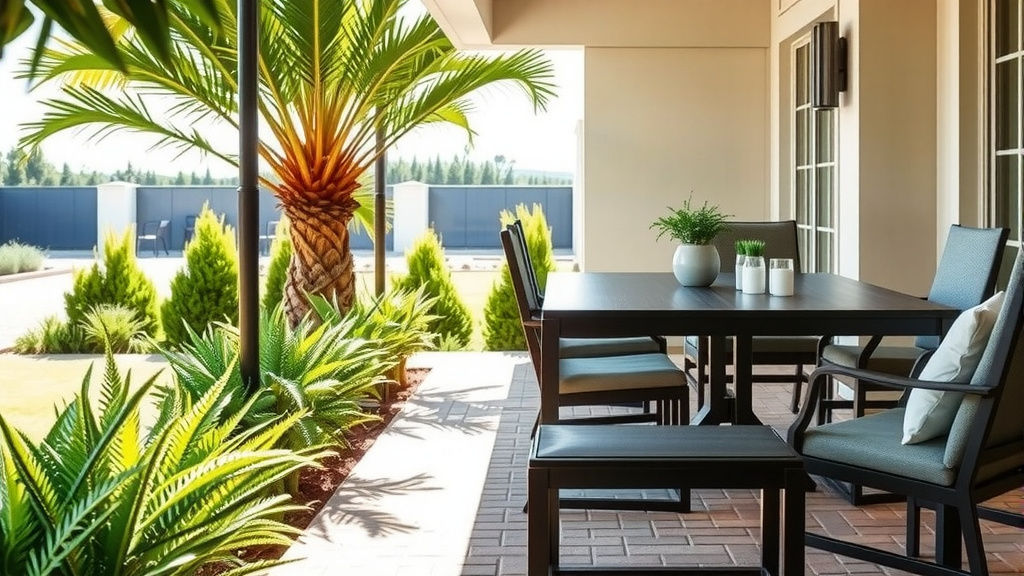
To keep patio furniture from blowing away, secure lightweight items with furniture weights or straps, anchor larger pieces to a deck or patio, and always store or cover furniture during strong winds.
Utilizing anti-slip pads, choosing heavier furniture materials, and strategic placement can also significantly reduce the risk of your outdoor furnishings taking flight.
TL;DR: Keep your patio furniture grounded!
- Secure light items with weights or straps.
- Anchor larger pieces to your deck or patio.
- Always cover or store furniture during high winds.
- Consider heavier materials or strategic placement.
- Use anti-slip pads to add friction and stability.
How To Keep Patio Furniture From Blowing Away?
Keeping your patio furniture from blowing away is a common concern for homeowners. The key is to add weight, create anchors, or secure items when bad weather hits. Let’s look at practical solutions to keep your outdoor oasis grounded.
The Risk of Runaway Furniture
Imagine a gust of wind turning your favorite patio chair into a projectile. It’s not just an inconvenience; it can be dangerous. Flying furniture can damage your home, property, or even harm someone. We want to help you avoid that hassle, right?
Understanding the Wind’s Power
Wind can exert surprising force. Even a moderate breeze can lift lighter chairs. Think of it like an airplane wing; the right shape can create lift. Your patio umbrella, for instance, is a prime target for wind because of its large surface area. Many experts suggest being prepared for sudden wind changes (National Weather Service).
Anchoring Your Outdoor Space
Anchoring is one of the most effective ways to keep your patio furniture in place. It involves physically attaching your furniture to a solid structure. This might sound like a big job, but often, it’s quite simple.
Straps and Bungees: Your First Line of Defense
For most furniture, especially during moderate winds, heavy-duty straps or bungee cords can work wonders. You can strap chairs together, or secure them to a deck railing or even a nearby fence post. Just make sure the straps are strong and weather-resistant.
Furniture Anchors for Decks and Patios
For more permanent solutions, consider specialized furniture anchors. These often involve drilling into your deck or concrete patio. They provide a sturdy attachment point for chains or straps. Research often connects these anchors with increased furniture stability (Outdoor Living Today).
- Deck screws with eye hooks
- Concrete anchors for masonry
- Heavy-duty bolts for wooden decks
- Ground stakes for grass or soil areas
Adding Weight: The Simplest Solution
Weight is the arch-nemesis of wind. The heavier your furniture, the harder it is for the wind to move it. This is a straightforward concept, but there are many ways to add weight effectively.
Water and Sand Weights
Many outdoor furniture bases, especially for umbrellas, are designed to be filled. You can use sand, water, or a mixture of both. Sand provides a more stable, heavier base than water. We found that a good quality sandbag can make a huge difference.
DIY Weight Solutions
Don’t want to buy specialized weights? Get creative! You can place heavy pavers or decorative rocks on the base of chairs or tables. Just ensure they are secure and won’t roll off. Some people even use heavy planters filled with soil and a sturdy plant.
Table Comparing Weighting Options
| Weight Type | Pros | Cons |
|---|---|---|
| Sand/Water Bases | Easy to fill, often designed for furniture | Can be messy, requires refilling (water) |
| Decorative Weights | Aesthetically pleasing, functional | Can be expensive, limited styles |
| Pavers/Rocks | Inexpensive, readily available | Can look out of place, potential trip hazard |
| Sandbags | Flexible, strong holding power | Not always decorative, can degrade over time |
Furniture Covers and Storage
Sometimes, the best offense is a good defense. Protecting your furniture from the elements, including strong winds, is smart. This includes using covers and knowing when to simply store items away.
Heavy-Duty Furniture Covers
A good furniture cover does more than just protect from rain. Many covers are designed with cinch cords or buckle straps that secure them to the furniture. This added layer of fabric, pulled taut, can make your furniture less susceptible to wind lift. It creates a solid unit instead of individual pieces. Remember, a loose cover can act like a sail, so secure it tightly.
The Power of Proper Storage
When high winds are in the forecast, the simplest and most effective solution is often to store your furniture. Stackable chairs, folding tables, and even some smaller sofas can be moved into a garage, shed, or even indoors. It takes a little effort but offers peace of mind. Many experts say this is the ultimate wind protection (University of Florida Extension).
Smart Furniture Choices and Arrangement
Even before a storm, your choices in furniture and how you arrange it can make a difference. Thinking ahead can save you a lot of trouble.
Choosing Heavier Materials
When buying new patio furniture, consider the material. Wrought iron, solid wood, or concrete-based pieces are naturally heavier and more stable than aluminum or plastic. If you live in a very windy area, investing in heavier furniture could be a smart long-term strategy.
Low-Profile Design Benefits
Furniture with a lower profile and solid construction offers less surface area for the wind to catch. Think about chairs that sit closer to the ground, or tables with solid bases rather than thin legs. Every little bit helps to minimize wind resistance.
Strategic Placement for Wind Resistance
How you arrange your furniture also matters. Place lighter items in sheltered spots, perhaps against a wall or in a corner of your patio. Grouping furniture together can also add collective weight, making it harder for individual pieces to move. Consider the direction of prevailing winds in your area. For instance, putting a sofa with a solid back facing the wind can act as a windbreak for smaller items behind it.
Essential Windproofing Checklist
Before the next big gust, run through this quick checklist to ensure your patio is secure. It’s like preparing for a mini-adventure, where the goal is to keep everything right where it belongs!
- Secure lightweight chairs with straps or bungee cords.
- Add weights (sand, water, pavers) to umbrella bases and furniture.
- Check that all furniture covers are tightly cinched and buckled.
- Store smaller, lightweight items in a garage or shed.
- Ensure outdoor rugs are weighted down or have anti-slip backing.
- Consider anchoring larger, permanent pieces to your deck or patio.
Anti-Slip Solutions for Floors
Sometimes, the furniture slides before it lifts. Anti-slip pads or rubber feet can help. These create friction between the furniture legs and your patio surface, making it harder for strong winds to push the items around. It’s a small detail that can make a big difference.
Conclusion
Keeping your patio furniture from blowing away doesn’t have to be a constant struggle. By combining smart choices in furniture, effective anchoring, adding weight, and knowing when to use covers or storage, you can enjoy your outdoor space without worry. A little preparation goes a long way in protecting your investments and ensuring everyone’s safety. What small change will you make first?
FAQs: Your Patio Furniture Questions Answered
How much wind can patio furniture withstand?
The amount of wind patio furniture can withstand varies greatly depending on its weight, material, and how it’s secured. Lightweight plastic or aluminum pieces might move in winds as low as 15-20 mph, while heavy wrought iron or well-anchored furniture can handle much stronger gusts, often up to 40-50 mph, before showing significant movement. Always check local weather alerts.
Can I use sandbags to weigh down patio furniture?
Yes, sandbags are an excellent and affordable way to weigh down patio furniture. You can place them on the base of chairs, under tables, or even attach them to furniture legs with straps. Look for weather-resistant sandbags designed for outdoor use to prevent them from degrading quickly.
Is it better to cover or store patio furniture in high winds?
For high winds, storing your patio furniture, especially lightweight or valuable pieces, is always the safest option. If storage isn’t possible, a heavy-duty, tightly secured furniture cover can help, but it’s still not as secure as putting items away indoors or in a shed. A loose cover can make things worse.
What kind of anchors should I use for a concrete patio?
For a concrete patio, you should use concrete anchors such as wedge anchors, sleeve anchors, or drop-in anchors. These require drilling into the concrete. Once installed, you can attach straps or chains to eye hooks in the anchors to secure your furniture. Always consult the anchor manufacturer’s instructions for proper installation.
Will anti-slip pads really help with wind?
Yes, anti-slip pads can definitely help. While they won’t prevent furniture from lifting in extremely strong winds, they significantly reduce the chance of your furniture sliding across your patio surface due to moderate gusts. By increasing friction, they help keep furniture stable and in place, which is often the first step before furniture actually blows away.
