
Should Patio Furniture Be Covered In Winter?
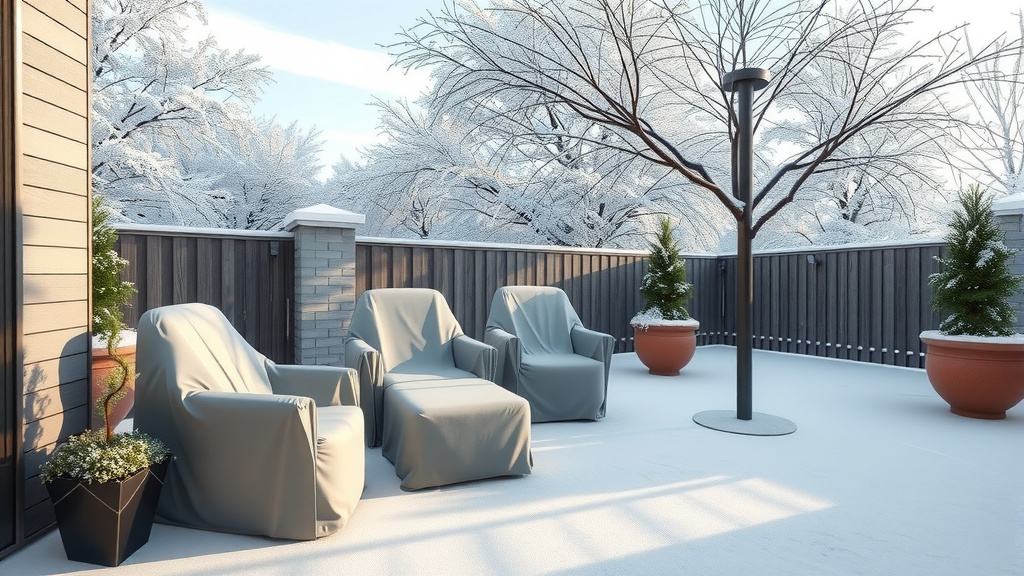
Yes, covering patio furniture in winter is generally a good idea to protect it from harsh weather, extend its lifespan, and keep it looking new.
You should absolutely consider covering your outdoor pieces to prevent damage from snow, ice, rain, and UV rays during colder months.
TL;DR: Here’s the quick take on covering your patio furniture for winter:
- Covering protects against snow, ice, rain, and UV damage.
- It significantly extends the life and look of your furniture.
- Not covering can lead to cracks, fading, rust, and mildew.
- Always clean and dry furniture before covering it.
- Breathable covers are best to prevent moisture buildup.
Should Patio Furniture Be Covered In Winter?
Yes, covering your patio furniture during winter is a wise choice that offers significant benefits. It shields your outdoor pieces from harsh elements, preserving their condition for many years.
Why Winter Is So Tough on Your Outdoor Furniture
Winter can be surprisingly brutal on outdoor items, even if you do not see heavy snow. The combination of various weather events truly challenges the durability of your furniture.
You might think a little rain is harmless, but these conditions can lead to serious damage over time. Protecting your investment makes a lot of sense.
The Threat of Moisture and Ice
Rain, snow, and ice are major culprits in winter wear and tear. Constant moisture can seep into materials, causing rust on metal frames or rot in wooden components.
When water freezes, it expands. This expansion can create tiny cracks in the materials, weakening your furniture’s structure over the season (research often connects this process with material fatigue).
UV Rays Don’t Disappear in Winter
Even on cloudy winter days, ultraviolet (UV) rays are still present. These rays can fade fabrics and break down plastic or resin materials.
Many experts say that UV exposure, even in winter, can accelerate the aging process of your outdoor furniture. Your cushions and surfaces deserve protection.
Temperature Swings Cause Stress
Winter brings dramatic temperature shifts, from freezing nights to milder sunny afternoons. These constant changes cause materials to expand and contract.
This stress, similar to what happens with roads, can weaken joints and cause finishes to chip. It significantly reduces the overall integrity of your furniture.
What Happens If You Don’t Cover Your Furniture?
Ignoring winter protection can lead to a range of costly and frustrating problems. You might find your beautiful outdoor space looking a bit worse for wear by spring.
Imagine finding your favorite chair unable to support you, or seeing its vibrant color dull and faded. These issues are easily preventable with proper care.
Fading and Material Weakness
Without a cover, sunlight will continuously beat down, causing colors to fade from cushions and frames. This dullness makes furniture look old and tired.
Over time, the fibers in fabrics and plastic components can break down, making them brittle and weak. We found that this reduces structural stability dramatically.
Rust, Corrosion, and Mildew
Metal furniture, particularly steel or iron, is highly susceptible to rust when exposed to constant moisture. Rust is not only unsightly but also weakens the metal.
Wooden furniture can develop mildew or rot in damp conditions, while fabrics can grow mold. These issues create unpleasant odors and can even be bad for your health (environmental health guidelines suggest avoiding mold growth).
Cracks and Structural Damage
As previously mentioned, water intrusion and freezing temperatures can cause materials to crack. This is especially true for plastic, resin, and even some types of wood.
Loose joints and wobbly legs are common outcomes when frames are exposed to winter’s harshness. You will find that furniture simply doesn’t feel as sturdy anymore.
Choosing the Right Winter Cover
Selecting the correct cover is not just about throwing a tarp over your items. A good cover provides specific protection designed for long-term outdoor use.
Think of it as a specialized winter coat for your furniture. You want something durable, effective, and perfectly suited for its purpose.
Key Features to Look For
When you are shopping for furniture covers, certain features make a big difference in their effectiveness and longevity. Do not just grab the cheapest option.
- Waterproof Material: Blocks out rain and snow completely.
- UV Resistance: Protects against sun damage, even in winter.
- Ventilation: Prevents moisture and mildew buildup underneath.
- Tie-Downs or Cinch Cords: Keeps the cover secure during windy conditions.
- Durable Fabric: Resists tearing and extends the cover’s life.
Material Matters: Breathable vs. Waterproof
The type of material your cover is made from is incredibly important. You will find a trade-off between absolute waterproofing and breathability.
Here is a quick look at common cover materials and their main benefits:
| Cover Material | Key Benefit | Consideration |
|---|---|---|
| Polyester | Durable, often waterproof, UV resistant. | Can be less breathable if not vented. |
| Vinyl/PVC | Highly waterproof, easy to clean. | Can trap moisture, stiffens in cold. |
| Woven Polypropylene | Good breathability, lightweight. | Less waterproof than polyester/vinyl. |
| Solution-Dyed Acrylic | Excellent color retention, breathable. | Often higher cost, requires care. |
We found that a good balance often involves a waterproof material with integrated vents. This combination offers the best of both worlds.
Prepping Your Furniture for Winter Storage
Before you even think about covering your furniture, a little preparation goes a long way. This ensures that no hidden issues worsen over the cold months.
Think of it as a quick spa day for your patio pieces, getting them ready for a long winter nap.
A Quick Cleaning Checklist
Cleaning your furniture before covering it is non-negotiable. Any dirt or debris trapped underneath can cause damage or mold during storage.
- Wipe down all surfaces thoroughly to remove dirt and grime.
- Brush off any loose leaves, twigs, or spiderwebs.
- Clean cushions according to their care instructions, then let them dry completely.
- Ensure every part of the furniture is bone dry before covering.
- Tighten any loose screws or bolts to prevent shifting.
Finding the Right Storage Spot
Even with a cover, placing your furniture in a sheltered spot can add an extra layer of protection. Think about where it sits during the winter.
Under an overhang, on a porch, or even close to the house can shield it from extreme winds and driving snow. This small step adds significant peace of mind.
When Covering Isn’t Enough: Indoor Storage
For some types of furniture, or if you live in an exceptionally harsh climate, even the best cover might not be enough. Sometimes, a warm, dry indoor space is the ultimate solution.
Delicate items, antiques, or very expensive pieces might benefit from this extra care. Do you have a garage or shed available?
Storing items indoors completely protects them from all winter elements. It is the most secure option for preserving their condition perfectly.
Conclusion
Covering your patio furniture in winter is a simple, effective way to safeguard your investment. From preventing rust and rot to stopping fading and cracking, the benefits are clear.
Taking a few extra steps now—cleaning, covering, and choosing the right spot—will ensure your outdoor space is ready to enjoy once spring arrives. Your future self will certainly thank you for this effort.
FAQ: How Do I Store Patio Cushions in Winter?
Always clean your patio cushions thoroughly and ensure they are completely dry before storing them. Place them in airtight bags or containers to protect against moisture, pests, and mildew. Store these containers indoors in a dry, climate-controlled area like a garage, basement, or attic to extend their life and maintain their appearance.
FAQ: Can I Leave My Metal Patio Furniture Outside Uncovered?
While some metal furniture, like high-quality aluminum, is more resistant to rust, leaving any metal furniture uncovered outside in winter exposes it to moisture, freezing temperatures, and potential corrosion. Even rust-resistant metals can suffer from pitting or paint damage. Covering or storing metal furniture is always the safer choice for longevity.
FAQ: What is the Best Material for Patio Furniture Covers?
The best material for patio furniture covers often depends on your climate and specific needs, but heavy-duty polyester with a waterproof coating and UV protection is highly recommended. Look for covers that also include ventilation features to prevent condensation and mildew buildup underneath.
FAQ: Do I Need to Cover Resin Wicker Furniture?
Yes, resin wicker furniture should also be covered in winter. While resin wicker is designed to be weather-resistant, continuous exposure to harsh UV rays can make it brittle over time, and freezing temperatures can cause cracking. Covering it will protect its integrity and color, helping it last much longer.
FAQ: How Often Should I Check My Covered Furniture During Winter?
It’s a good idea to check your covered furniture periodically, perhaps once a month, during the winter. This allows you to ensure the covers are still securely in place, clear any heavy snow or ice accumulation, and check for any unexpected moisture or pest activity. This quick check helps to prevent any small issues from becoming bigger problems.
