
How To Wrap Patio Furniture For Winter?
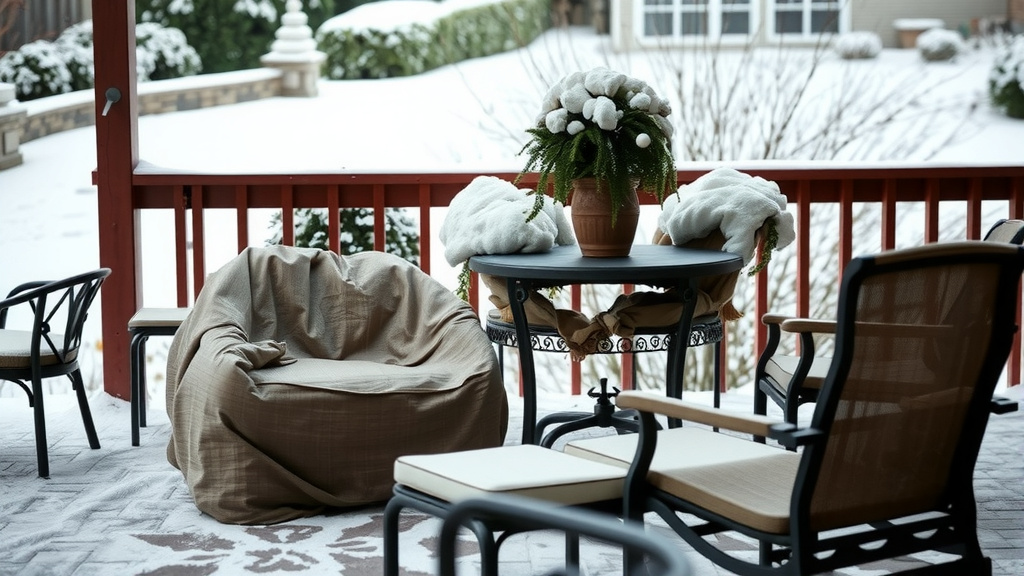
To wrap patio furniture for winter, you should first clean and dry each piece thoroughly, removing cushions and storing them separately.
Then, select appropriate protective covers or tarps, ensuring they fit snugly but allow for some air circulation to prevent moisture buildup, tying them securely against wind.
TL;DR: Preparing your patio furniture for winter is simpler than you think.
- Clean all furniture pieces completely to prevent mold and mildew.
- Store cushions indoors to protect them from moisture and pests.
- Choose breathable, waterproof covers that fit well.
- Secure covers tightly to withstand harsh winter winds.
- Consider indoor storage for delicate items or smaller pieces.
How To Wrap Patio Furniture For Winter?
Wrapping patio furniture for winter includes cleaning, drying, covering with durable materials, and securing it properly.
This protects your investment from cold, moisture, and UV rays, ensuring your furniture is ready for spring’s arrival.
Why Bother Wrapping Your Patio Furniture?
Exposing outdoor furniture to winter weather causes serious damage. Rust, cracks, and faded fabrics are common problems.
Protecting your furniture ensures it lasts longer, like giving your outdoor oasis a warm blanket for winter.
This simple step can save money and effort by preventing costly replacements.
Understanding Winter’s Threats
Winter brings ice, snow, moisture, and strong winds, each damaging furniture differently.
Moisture causes mildew and rot, while freezing temperatures lead to cracks. Strong winds can even move lighter items, causing harm (NIH).
Gathering Supplies & Checklist
Gather all necessary items before you begin. Good preparation makes the process much smoother.
Just like baking, you need the right ingredients. Have your tools ready to protect your outdoor items.
- Outdoor cleaner or mild soap
- Soft cloths or sponges
- Stiff brush (for tougher grime)
- Water hose
- Durable, breathable patio furniture covers
- Tarps (if covers aren’t an option)
- Bungee cords, rope, or tie-downs
- Rust-inhibiting primer (for metal frames)
- Wood sealant or oil (for wooden furniture)
The All-Important Cleaning Phase
This crucial step is often missed. Avoid trapping dirt, grime, or mildew under covers all winter.
Cleaning prevents stains, keeping furniture fresh. Many experts recommend a thorough cleaning before storage (Good Housekeeping).
Use mild soap and water, scrubbing gently. For metal, treat rust spots with a rust-inhibiting primer before wrapping.
Wooden furniture needs a fresh coat of sealant or oil to prevent drying out.
Drying is Non-Negotiable
After cleaning, let every piece dry completely. Even slight dampness fosters mold and mildew under covers.
Moisture can ruin furniture and cause bad odors. Air dry items in the sun for several hours or a full day.
This patience saves you headaches later.
Cushion Care: An Indoor Retreat
Cushions and pillows typically shouldn’t stay outdoors in winter, as they are often delicate.
Move them indoors to a dry, climate-controlled space. Clean them as instructed, ensuring they are bone dry before storage.
Use breathable storage bags for cushions to protect them from dust, pests, and moisture.
Choosing Your Wrapping Material
Choosing the right cover is like picking a perfect winter coat for your furniture: protective yet breathable.
Vinyl covers are waterproof but may trap moisture without vents. Breathable covers repel water while allowing air to circulate.
| Cover Type | Pros | Cons | Best For |
|---|---|---|---|
| Waterproof Vinyl | Excellent water protection, durable | Less breathable, can trap moisture | Furniture in dry, sheltered areas |
| Breathable Fabric | Good water resistance, prevents mold | May not be 100% waterproof in heavy rain | Most outdoor furniture, general use |
| Heavy-Duty Tarps | Very strong, inexpensive | Less appealing, can be bulky | Temporary solutions, larger items |
The Art of Covering Your Furniture
After cleaning and drying, begin covering. Group chairs or dismantle tables if possible.
Shape furniture to shed water easily, creating a peak to prevent pooling. This reduces stress on the cover.
Ensure covers reach the leg bottoms for maximum protection from rain, snow, and splashes.
Securing Your Winter Wraps
A strong wind can easily remove a poorly secured cover. Imagine a kite in a hurricane!
Use bungee cords or strong rope to cinch the cover tightly around the furniture base. Pull any built-in drawstrings tight.
Ensure it’s snug, but not so tight it rips. Many experts advise checking covers regularly after storms (Consumer Reports).
Smart Storage Location Tips
Your furniture’s storage location is as important as its wrapping. Even covered items benefit from a good spot.
Utilize a garage, shed, or covered patio if available; this offers an extra layer of protection.
If storing outdoors, pick a spot somewhat sheltered from direct wind and heavy snow, like next to a wall.
Common Mistakes to Avoid
Mistakes happen, but many are preventable. Avoid these common traps that compromise furniture protection.
Not cleaning thoroughly before covering is a major oversight. Using ill-fitting covers, either too small or too large, can also lead to tears or poor protection.
Failing to secure covers properly is another issue; wind can quickly undo your efforts, like leaving a door unlocked during a storm.
Conclusion
Winterizing patio furniture is simple with good planning and supplies. You can easily protect your outdoor investment.
A thorough clean, proper covering, and secure tie-downs ensure your furniture looks great next spring. You’ll be ready for warm days without extra effort.
FAQs About Winter Patio Furniture Care
Should I store all patio furniture indoors for winter?
While most cushions and delicate items like glass tabletops benefit from indoor storage, many furniture frames, especially those made of durable materials like wrought iron or aluminum, can remain outdoors if properly cleaned and covered. Always check the manufacturer’s recommendations.
Can I use regular tarps instead of specialized covers?
You can use regular tarps, but be aware they might not be breathable. If using tarps, ensure they are well-vented to prevent moisture buildup and mildew. It is often a good idea to create a “tent” shape so water can run off easily and air can circulate underneath.
How do I prevent mold and mildew under the covers?
The best way to prevent mold and mildew is to ensure the furniture is completely clean and dry before covering. Using breathable covers that allow some air circulation helps too. Occasionally lifting the cover on a mild, dry day can also help air out the furniture.
What if my furniture is too large to cover easily?
For oversized pieces, consider breaking them down if possible. If not, large, heavy-duty tarps can work. You might need multiple tarps, overlapping them securely. For very large tables, creating a central peak or support underneath the tarp can help shed snow and water.
How often should I check my wrapped furniture during winter?
It’s a good idea to check your wrapped furniture periodically, especially after severe weather like heavy winds or snowstorms. Look for any rips in the covers, loose tie-downs, or areas where water might be pooling. A quick check helps ensure continuous protection.
